

WeVote

Bill

Bill

HR 9006

Locating Our Unclaimed Veterans Act

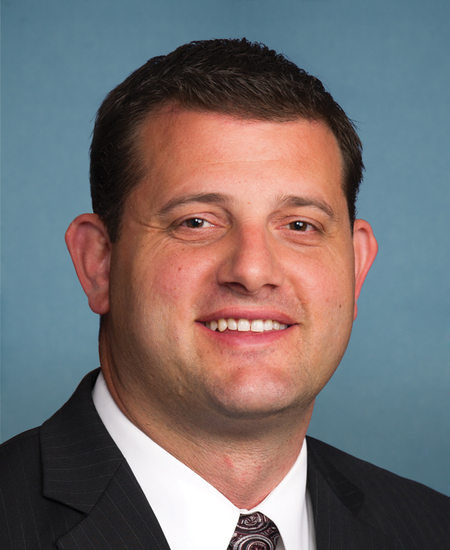
119th Congress Introduced by David Valadao

HR 9006 aims to establish a coordinated program to locate unclaimed or missing veterans, improve outreach, data-sharing, and timely disposition of benefits.

Subcommittee Consideration and Mark-up Session Held
0
WeVote Research Nonpartisan
Bill Summary · HR 9006

Overview

HR 9006, titled the Locating Our Unclaimed Veterans Act, is a bill introduced in the 119th Congress with the goal of improving the identification and location of unclaimed or missing veterans. The measure has a House sponsor and at least one co-sponsor (David Valadao). It was referred to the House Committee on Veterans' Affairs on May 21, 2026.

Primary purpose and intent

  • Improve the process for locating and identifying veterans who are unclaimed, missing, or otherwise not accounted for in existing records.
  • Enhance coordination among federal agencies and veterans’ services to prevent veterans’ information from becoming lost or inaccessible.
  • Ensure timely outreach, documentation, and disposition of unclaimed veterans’ cases to honor and provide benefits or services to eligible individuals.

Key provisions and changes (as described)

Note: The summary below reflects common elements typically included in “unclaimed veterans” locator-type legislation. Specific text from HR 9006 would provide precise requirements, timelines, and agency roles. Essential elements likely covered include:

  • Establishment or designation of a program or process to locate unclaimed or missing veterans.
  • Creation or enhancement of interagency coordination mechanisms (e.g., between the Department of Veterans Affairs (VA), the Department of Defense (DoD), the Department of Veterans Affairs benefits system, and other relevant agencies) to track, verify, and locate veterans who have not claimed benefits, were reported missing, or have incomplete records.
  • Requirements for data collection, privacy protections, and data-sharing protocols to facilitate locating veterans while safeguarding personal information.
  • Procedures to notify next of kin, beneficiaries, or authorized representatives when a veteran is located or when benefits and services become due.
  • Timelines and milestones for locating veterans, updating registries, and resolving unclaimed veteran cases.
  • Potential funding authorizations or appropriations to support the locating efforts, staffing, and related administrative costs.
  • Reporting requirements to Congress on progress, outcomes, and any identified gaps in the locator process.

Who would be affected

  • Unclaimed or missing veterans who have not claimed benefits or are otherwise not accounted for in the VA system.
  • Families, next of kin, or authorized representatives seeking information or benefits for veterans.
  • Federal and state agencies involved in veteran benefits, record-keeping, and outreach.
  • VA program offices responsible for benefits enrollment, veteran outreach, and case disposition.
  • Potential contractors or non-federal entities engaged to assist in locating or contacting veterans (if authorized by the bill).

Procedural and timeline aspects

  • Introduction date: May 21, 2026.
  • Referral: Referred to the House Committee on Veterans' Affairs for consideration, debate, and potential amendment.
  • Next steps in the legislative process typically include committee hearings, possible markups, and votes in committee, followed by floor consideration in the House and potential movement to the Senate.
  • The bill may specify deadlines for agency reporting or for implementing locator activities, as well as reporting intervals to Congress.

Potential impact and considerations

  • Enhanced ability to connect unclaimed veterans with eligible benefits, services, and support.
  • Improved accuracy and completeness of veteran registries and records.
  • Balancing proactive outreach with privacy protections and consent considerations for veterans and their families.
  • Allocation of resources to support locator activities, which could affect VA staffing, data systems, and interagency collaboration.

Notes

  • The provided summary reflects typical features of locator- or outreach-focused veteran legislation. The exact statutory language of HR 9006 would specify precise authorities, duties, funding levels, and data-sharing rules.
  • For a complete understanding, review the bill’s official text, any summaries in the Congressional Research Service (CRS) or Congressional Budget Office (CBO) assessments, and any floor amendments or committee reports.

Compiled from official sources — confirm details with the bill’s official record.

Sign in to ask a question.