

WeVote

Bill

Bill

SF 4268

Local optional revenue increase for school districts with limited referendum revenue authority

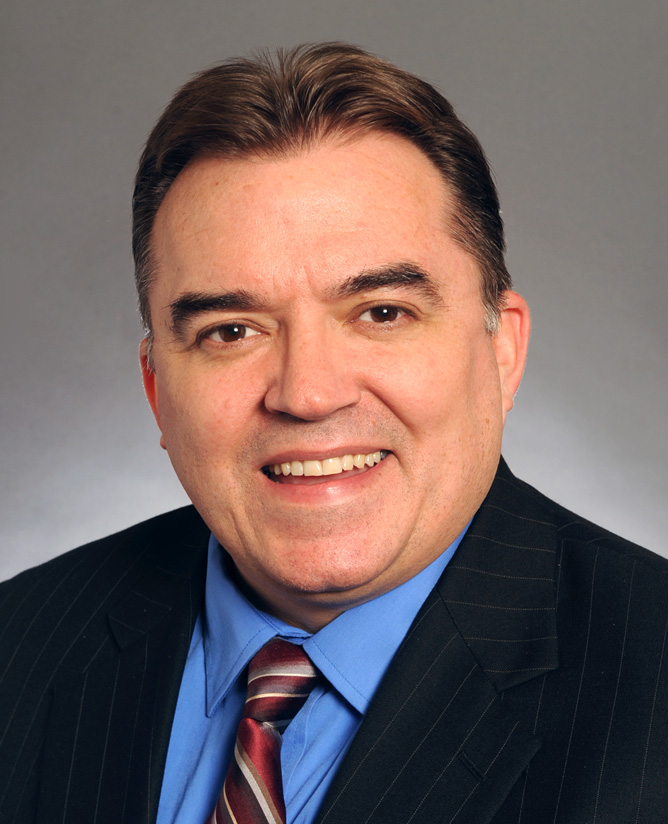
2025-2026 Regular Session Introduced by John Hoffman

Bill creates alternative local revenue option for Minnesota school districts unable to raise funds through traditional referendums, potentially increasing property taxes to boost school budgets.

Referred to Education Finance
0
WeVote Research Nonpartisan
Bill Summary · SF 4268

Legislative bill overview

SF 4268 creates a new local revenue option for Minnesota school districts that have limited ability to raise funds through traditional referendum mechanisms. The bill would allow these districts to increase revenue through an alternative local funding source, bypassing or supplementing existing referendum authority constraints. This appears designed to address funding disparities among districts with different referendum capacities.

Why is this important

School funding in Minnesota depends partly on local referendums, which some districts win more easily than others based on community wealth and demographics. This bill could help under-resourced districts access additional revenue without waiting for voter approval through traditional referendum processes, potentially reducing funding inequities. However, it raises questions about property tax impacts and whether this addresses root causes of unequal school funding.

Potential points of contention

  • Property tax effects: New local revenue mechanisms typically mean higher property taxes, which could burden homeowners and renters differently across districts
  • Equity trade-offs: Allowing struggling districts more funding flexibility is progressive, but could entrench separate funding systems based on referendum success rather than pushing for state-level equalization
  • Voter autonomy: Bypassing traditional referendum processes means communities may have less direct control over tax increases, even if those mechanisms disadvantaged them previously

Compiled from official sources — confirm details with the bill’s official record.

Sign in to ask a question.