

WeVote

Bill

Bill

HR 10134

Local Health Care Protection Act of 2026

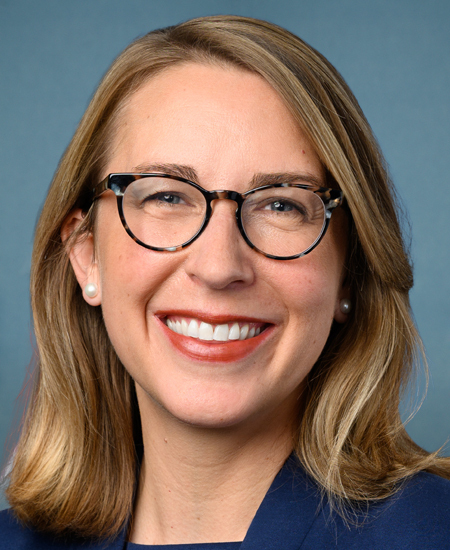
119th Congress Introduced by Hillary Scholten

The bill allows certain 340B-covered hospitals that miss DSH targets due to Medicaid cuts to retain 340B eligibility through 2030, via a defined transition.

Introduced in House
0
WeVote Research Nonpartisan
Bill Summary · HR 10134

Purpose and intent

  • Introduces the Local Health Care Protection Act of 2026 (H.R.10134) to establish an eligibility exception for hospitals to participate in the 340B drug discount program due to cuts to the Medicaid program.
  • Aims to allow certain hospitals facing Medicaid reductions to remain eligible as “covered entities” under the 340B program through a defined transition window.

Key provisions and changes

  • Eligibility exception for 340B:
    • Hospitals that, for cost reporting periods beginning in fiscal year 2026 or later but ending by September 30, 2030, fail to meet the disproportionate share adjustment (DSH) percentage requirement, yet otherwise meet the 340B “covered entity” criteria (subparagraphs L, M, or O of 340B(a)(4)) and comply with all other 340B requirements, shall be deemed a covered entity for the period from enactment (or the first applicable cost reporting period that fails the DSH criterion) through the last cost reporting period ending no later than September 30, 2030, during which the hospital does not meet the DSH requirement.
  • Scope of hospitals:
    • Applies to hospitals that, on July 3, 2025, were already 340B covered entities participating in the drug discount program under the cited subparagraphs.
  • DSH requirement:
    • The bill sets the applicable DSH adjustment requirement to align with L or M (and separately O) categories under 340B(a)(4), specifying which DSH metric would be waived temporarily for eligibility.
  • Reporting by Comptroller General (GAO):
    • Within one year after enactment, GAO must study:
    • Criteria used to determine 340B covered entities and State determinations of hospitals serving a disproportionate number of low-income patients with special needs under SSA 1923.
    • Impact of declining payments under SSA 1886(d)(5)(F) in rural areas and potential loss of services (e.g., obstetrics, gynecology, oncology).
    • Review and compare current and proposed payment adjustment formulas (including proposals from MEDPAC, AHA, America's Essential Hospitals, Children’s Health Association).
    • Assess strengths/weaknesses of each proposal to inform future policy decisions.
    • Analyze the current methodology for determining payment adjustments and implications of relevant litigation.
    • Identify factors contributing to declines in payment adjustments, including:
      • Disability determinations by SSA accuracy and backlogs.
      • Post-acute care capacity constraints in rural/underserved areas.
  • Definitions:
    • “Covered entity” is defined as in 340B(a)(4) for purposes of this act.

Who/what is affected

  • Hospitals that participate in the 340B drug discount program and are considered covered entities under 340B(a)(4) subparagraphs L, M, or O as of July 3, 2025.
  • Hospitals with cost reporting periods starting in 2026 or later but ending by September 30, 2030, that do not meet the DSH adjustment percentage for those periods, but otherwise satisfy 340B eligibility and program requirements.
  • Stakeholders in the 340B program, Medicaid, and rural health care, including state Medicaid programs, hospital planners, patient access advocates, and industry groups involved in payment methodology reform (e.g., MedPAC, AHA, children’s health groups).

Procedural and timeline considerations

  • Effective window:
    • The eligibility exception applies to cost reporting periods beginning in fiscal year 2026 and ending no later than September 30, 2030.
    • The period begins on enactment or the first applicable cost reporting period when the hospital fails the DSH requirement but otherwise qualifies.
  • GAO study:
    • Due within 1 year of enactment; results reported to Congress with broad assessment of eligibility criteria, payment adjustments, and rural/low-income service implications.
  • Enactment date and sponsor:
    • Introduced August 20, 2026, by Rep. Hillary Scholten; referred to the House Committee on Energy and Commerce.

Summary assessment

  • The bill primarily provides a temporary, targeted relief to certain hospitals losing Medicaid-related DSH adjustments, allowing continued access to 340B discounts during a defined transition period (2026–2030).
  • It also signals a policy debate on how 340B eligibility and Medicaid payment adjustments interact with rural health services and access to care, as reflected in the GAO mandate to study and report on payment methodologies and rural impact.

Compiled from official sources — confirm details with the bill’s official record.

Sign in to ask a question.