

WeVote

Bill

Bill

SB 1196

LOBBYISTS-FEE WAIVER

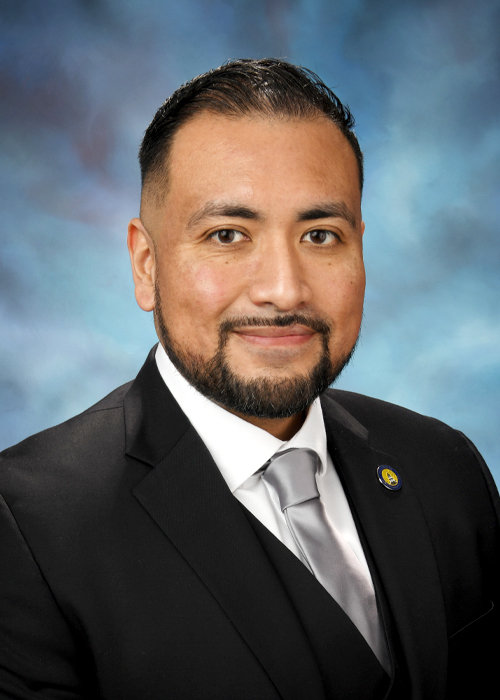
104th Regular Session Introduced by Javier Cervantes and 5 co-sponsors

SB 1196 enhances school commute safety by adjusting ridesharing fees to fund the Safe Routes to School Program, benefiting students and promoting safer travel.

Rule 3-9(a) / Re-referred to Assignments
0
WeVote Research Nonpartisan
Bill Summary · SB 1196

Summary of SB 1196: Relating to Transportation

Introduction

Senate Bill 1196 (SB 1196) was introduced on January 17, 2025, and is currently referred to the Transportation, Communications, and Public Safety (TCA/CPN) and Ways and Means (WAM) committees. This bill aims to address transportation-related issues, specifically focusing on fees associated with ridesharing arrangements and the Safe Routes to School Program Special Fund.

Purpose and Intent

The primary intent of SB 1196 is to enhance transportation safety and accessibility, particularly for school children. By modifying existing fee structures and funding mechanisms, the bill seeks to promote the use of safe routes for students traveling to and from school, while also regulating ridesharing services.

Key Provisions

  1. Ridesharing Fees:

    • The bill proposes the establishment or adjustment of fees for ridesharing arrangements. These fees are intended to support transportation infrastructure and safety initiatives.
  2. Safe Routes to School Program:

    • SB 1196 aims to bolster the Safe Routes to School Program by creating or enhancing a special fund dedicated to this initiative. This fund would be used to develop and maintain safe pathways for students, ensuring they can travel to school securely.
  3. Funding Allocation:

    • The bill outlines how the collected fees from ridesharing services will be allocated to the Safe Routes to School Program Special Fund, thereby directly linking ridesharing revenues to school safety improvements.

Impact

  • Target Audience:

    • The bill will primarily affect students, parents, and schools by improving safety measures for school commutes. Additionally, ridesharing companies and their users will be impacted by the proposed fee adjustments.
  • Safety Enhancements:

    • By funding the Safe Routes to School Program, the bill aims to reduce accidents and improve overall safety for children traveling to school, which could lead to increased participation in walking or biking to school.

Procedural Timeline

  • January 17, 2025: Bill introduced.
  • January 21, 2025: Passed First Reading.
  • January 27, 2025: Referred to TCA/CPN and WAM committees for further consideration.

Conclusion

SB 1196 represents a legislative effort to improve transportation safety for school children while also addressing the regulatory framework surrounding ridesharing services. By linking fees from ridesharing to the Safe Routes to School Program, the bill aims to create a safer environment for students and promote responsible transportation practices.

Compiled from official sources — confirm details with the bill’s official record.

Sign in to ask a question.