

WeVote

Bill

Bill

HR 4583

Living Donor Protection Act of 2025

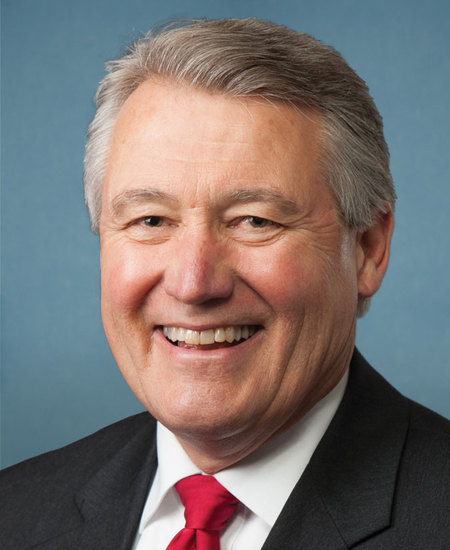
119th Congress Introduced by Rick Allen and 129 co-sponsors

Summary of H.R. 4583: Living Donor Protection Act of 2025 Bill OverviewThe Living Donor Protection Act of 2025 is a bill introduced in the U.S. House of Representatives that aims t

Introduced in House
0
WeVote Research Nonpartisan
Bill Summary · HR 4583

Summary of H.R. 4583: Living Donor Protection Act of 2025

Bill Overview

The Living Donor Protection Act of 2025 is a bill introduced in the U.S. House of Representatives that aims to protect and support individuals who choose to become living organ donors. The bill seeks to address barriers and disincentives that may discourage people from donating organs, with the goal of increasing the availability of life-saving transplants.

Key Provisions

The bill would make the following key changes:

  1. Employment Protections: Prohibit discrimination against living organ donors in employment, and require employers to provide up to 12 weeks of job-protected medical leave for donation procedures.

  2. Insurance Coverage: Ensure that living organ donors are not denied or limited in their access to life, disability, or long-term care insurance coverage.

  3. Educational Campaign: Direct the Department of Health and Human Services to launch a national campaign to raise awareness about living organ donation and the protections available to donors.

  4. Research and Data Collection: Require the Government Accountability Office to study the impact of the bill's provisions and report back to Congress.

Potential Impact

If enacted, the Living Donor Protection Act could:

  • Increase Organ Donation Rates: By removing disincentives and providing stronger legal protections, the bill could encourage more people to consider becoming living organ donors.

  • Benefit Transplant Recipients: Greater availability of living donor organs could reduce wait times and improve outcomes for those in need of transplants.

  • Support Living Donors: The bill's employment and insurance provisions would help ensure living donors are not penalized professionally or financially for their donation.

  • Improve Public Understanding: The required educational campaign could help raise awareness and dispel misconceptions about living organ donation.

Procedural and Timeline Aspects

The bill was introduced in the House on July 22, 2025 and has been referred to the House Committee on Energy and Commerce for consideration. If passed by the House, it would then need to be approved by the Senate (where a companion bill, S. 1552, has also been introduced) and signed into law by the President to take effect.

Compiled from official sources — confirm details with the bill’s official record.

Sign in to ask a question.