

WeVote

Bill

Bill

AB 411

Livestock carcasses: disposal: composting.

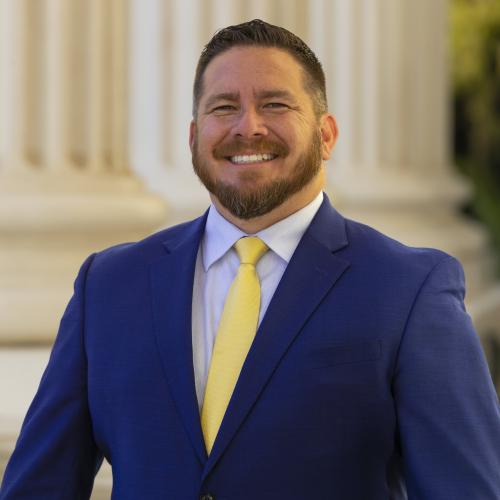
2025-2026 Regular Session Introduced by Juan Alanis and 1 co-sponsor

California law now permits livestock carcass composting as an alternative disposal method, offering farmers cost-effective and potentially more sustainable options than burial or incineration.

Chaptered by Secretary of State - Chapter 613, Statutes of 2025.
0
WeVote Research Nonpartisan
Bill Summary · AB 411

Legislative bill overview

AB 411 authorizes California to permit the composting of livestock carcasses as an alternative disposal method alongside traditional options like burial and incineration. The bill establishes regulatory framework allowing farmers and ranchers to compost dead animals under specified conditions, addressing disposal challenges and creating potential environmental benefits.

Why is this important

Livestock mortality is a regular occurrence on farms, and current disposal methods have environmental and cost limitations—burial can contaminate groundwater, and incineration is expensive. Composting offers a more economical and potentially more sustainable alternative that can reduce environmental impact while providing usable compost material. This addresses a practical agricultural management issue affecting thousands of California farmers.

Potential points of contention

  • Environmental safeguards: Questions about whether composting guidelines adequately prevent pathogen spread, groundwater contamination, or odor issues in residential areas
  • Implementation costs and feasibility: Uncertainty about whether small-to-medium farms have resources to establish proper composting infrastructure versus relying on existing methods
  • Disease management: Concerns about whether composting of diseased animals (particularly those dying from contagious diseases) poses disease transmission risks to other livestock or the food supply

Compiled from official sources — confirm details with the bill’s official record.

Sign in to ask a question.