
WeVote

Bill

Bill

SB 3656

LIQUOR-LICENSE FEES

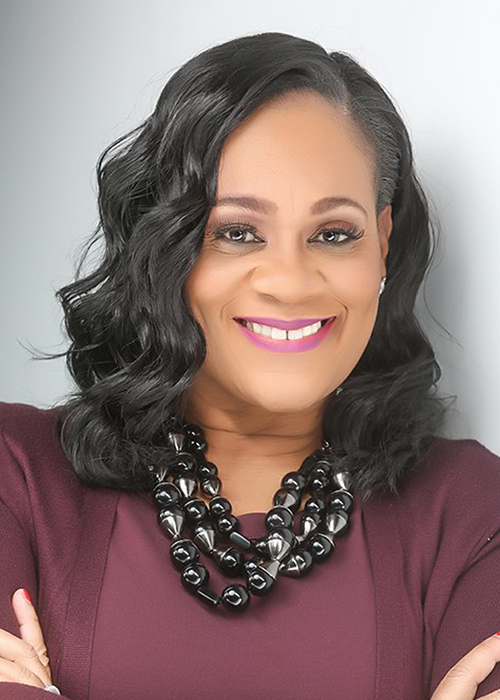
104th Regular Session Introduced by Kimberly Lightford

Illinois SB 3656 would adjust and potentially raise liquor license fees and how they are used to fund regulation and enforcement.


0
WeVote Research Nonpartisan
Bill Summary · SB 3656

Summary of SB 3656 (104th Illinois Legislature) – LIQUOR-LICENSE FEES

Purpose and intent

  • This bill addresses the structure, rate, and administration of liquor license fees in Illinois. It aims to modify how fees are assessed, collected, and potentially redistributed across license categories, with the overarching goal of aligning fee levels with regulatory costs, program funding, and state revenue needs.
  • The bill is co-sponsored by Kimberly Lightford, indicating bipartisan/advocate support within the chamber and a focus on liquor regulation funding mechanisms.

Key provisions and changes

  • Fee adjustments and structure: The bill sets forth changes to the existing liquor license fee schedule. This may include:
    • Increases or recalibrations of annual license renewal fees for various license categories (e.g., liquor retailers, manufacturers, restaurants, bars, clubs, wholesalers).
    • Modifications to application, issuance, or transfer fees.
    • Potential tiered or category-based fee changes linked to business size, type, or location.
  • Revenue allocation and use: Provisions may specify how generated fees are allocated within state or local government budgets, including:
    • Funding for regulatory oversight, enforcement, and clerical administration of the liquor program.
    • Potential earmarking for public health, safety, or local government distribution related to alcohol regulation.
  • Timing and implementation: The bill likely includes effective dates or phased-in timelines for any new or adjusted fees, giving licensees time to comply with changes.
  • Administrative updates: Provisions may authorize rulemaking or administrative adjustments to implement fee changes, including definitions, recordkeeping, and reporting requirements for licensing authorities.

Who would be affected

  • License holders: Current and prospective holders of Illinois liquor licenses across categories (on-premises, off-premises, brewpubs, manufacturers, distributors) would be subject to new or adjusted fees.
  • Business applicants and renewals: Entities seeking initial licensing, transfers of licenses, or annual renewals would experience changes in cost structures.
  • Local governments and regulatory agencies: Agencies responsible for administering liquor licenses may incur changes in administrative processes, budgeting, and fee collection practices.
  • Consumers and public stakeholders: Indirectly affected through potential changes in the cost of compliance and possible impacts on operating costs for licensees, which could influence prices and availability.

Procedural and timeline aspects

  • Legislative process indicators: As a bill from the Illinois General Assembly, it would proceed through committee hearings, potential amendments, and floor votes in both chambers before reaching the governor for signature or veto.
  • Effective date: The bill would specify an effective date for new or adjusted fees, with possible phase-in periods to allow licensees to adapt.
  • Regulatory alignment: If enacted, the bill may trigger subsequent rulemaking by the Alcoholic Liquor Control Act authority to implement and codify the fee changes.

Potential impacts to monitor

  • The fiscal impact on licensees, especially small businesses, due to higher or restructured fees.
  • Revenue implications for state and local government budgets dedicated to liquor regulation and enforcement.
  • Compliance considerations for license applications, transfers, and renewals under the updated fee regime.

Note: This summary reflects typical elements found in liquor-fee-related bills. For precise dollar amounts, specific fee categories, and exact implementation dates, please refer to the bill’s text and the fiscal/agency impact statements accompanying SB 3656.

Compiled from official sources — confirm details with the bill’s official record.

Sign in to ask a question.