

WeVote

Bill

Bill

SB 512

Liquor: distribution; general amendments; provide for. Amends secs. 303, 526, 607, 609b, 903b & 1025 of 1998 PA 58 (MCL 436.1303 et seq.) & adds secs. 412, 609k & 804. TIE BAR WITH: SB 0513'25

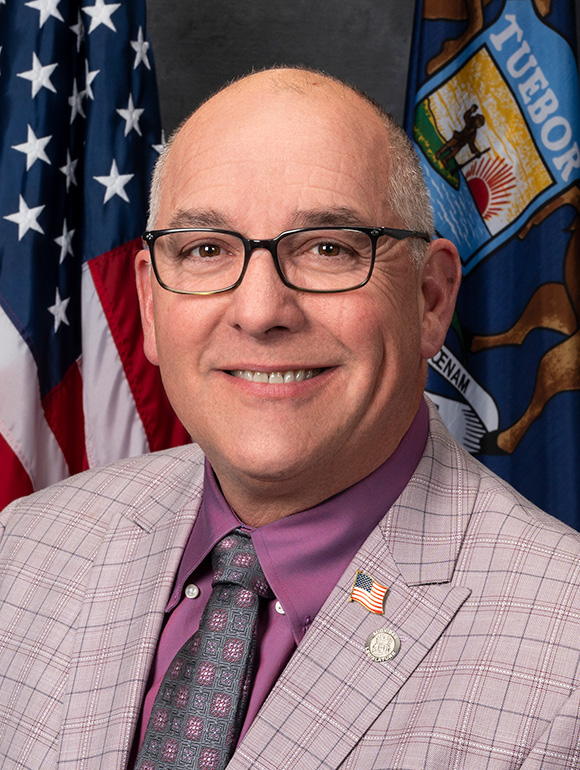
2025-2026 Regular Session Introduced by Joe Bellino and 12 co-sponsors

Senate Bill 512 modernizes Michigan's liquor laws, boosting craft brewers, expanding nonalcoholic options, and enhancing public health through regulated distribution.

ASSIGNED PA 0065'25 WITH IMMEDIATE EFFECT
0
WeVote Research Nonpartisan
Bill Summary · SB 512

Summary of Senate Bill 512 (SB 512)

Bill Title: Liquor: distribution; general amendments; provide for
Introduced: September 3, 2025
Status: Referred to Committee of the Whole with Substitute (S-2)
Primary Sponsor: Senator Sam Singh
Cosponsors: Senators Roger Hauck, Joseph N. Bellino Jr., Mallory McMorrow, Michele Hoitenga, Dan Lauwers, Sylvia A. Santana, Paul Wojno, Jon C. Bumstead, Kevin Hertel, Dayna Polehanki, Michael Webber, John Damoose

Purpose and Intent

Senate Bill 512 aims to amend the Michigan Liquor Control Code to modernize and expand the regulations surrounding the distribution of alcoholic beverages, particularly focusing on enhancing the craft beverage industry and improving public health and safety through regulated access to nonalcoholic options.

Key Provisions

  1. Definition of Beer:

    • Expands the definition of "beer" to include nonalcoholic beverages, specifically those containing less than 0.5% alcohol by volume, including 0.0% alcohol products.
  2. Wholesaler Sales:

    • Allows wholesalers to sell beer to brewers or microbrewers for further sale at their approved tasting rooms for consumption on or off the premises, with restrictions on transferring beer to other licensees.
  3. Michigan Craft Beverage Council:

    • Expands the council's membership to include a representative from the Liquor Control Commission and a microbrewer or brewer that is not a microbrewer, enhancing representation for smaller producers.
  4. Sales to Government Entities:

    • Broadens the types of alcohol that wholesalers can sell to governmental entities, churches, and their own employees, allowing for greater flexibility in distribution.
  5. Record Retention and Promotional Purchases:

    • Modifies existing requirements for record retention and promotional purchases, applying these to mixed spirit drink manufacturers and outstate sellers.
  6. Administrative Fines:

    • Introduces administrative fines for dishonored payments made by retailers to wholesalers, aiming to ensure financial accountability within the distribution chain.
  7. Sampling and Gifting:

    • Exempts microbrewers from certain prohibitions on giving away alcohol, allowing them to provide samples for research or educational purposes under specific conditions.
  8. Philanthropic Contributions:

    • Permits vendors to provide philanthropic gifts or sponsorships to colleges and universities with retail licenses, provided these do not include alcoholic liquor or are contingent on liquor purchases.
  9. Signage Regulations:

    • Allows vendors to provide non-illuminated signs promoting alcoholic brands and prices for use on college or university premises, subject to specific restrictions.

Impact

  • Brewers and Microbrewers: The bill is expected to benefit small brewers and microbrewers by providing them with more opportunities to sell their products and engage with consumers in tasting rooms.
  • Public Health and Safety: By including nonalcoholic options in the definition of beer, the bill aims to promote public health while maintaining a regulated distribution system.
  • Government and Educational Institutions: The expanded sales provisions could enhance the availability of alcoholic beverages for events and functions at government and educational institutions.

Procedural Aspects

  • The bill has been reported favorably with a substitute version (S-2) and is currently under consideration by the Committee of the Whole. It is tie-barred with Senate Bill 514, which proposes a tax credit for distributors.

This summary provides a comprehensive overview of Senate Bill 512, highlighting its objectives, key changes, and potential effects on the liquor distribution landscape in Michigan.

Compiled from official sources — confirm details with the bill’s official record.

Sign in to ask a question.