

WeVote

Bill

Bill

SF 702

Liability limitation of a motor vehicle operator for harm caused to a pedestrian injured while illegally blocking a roadway

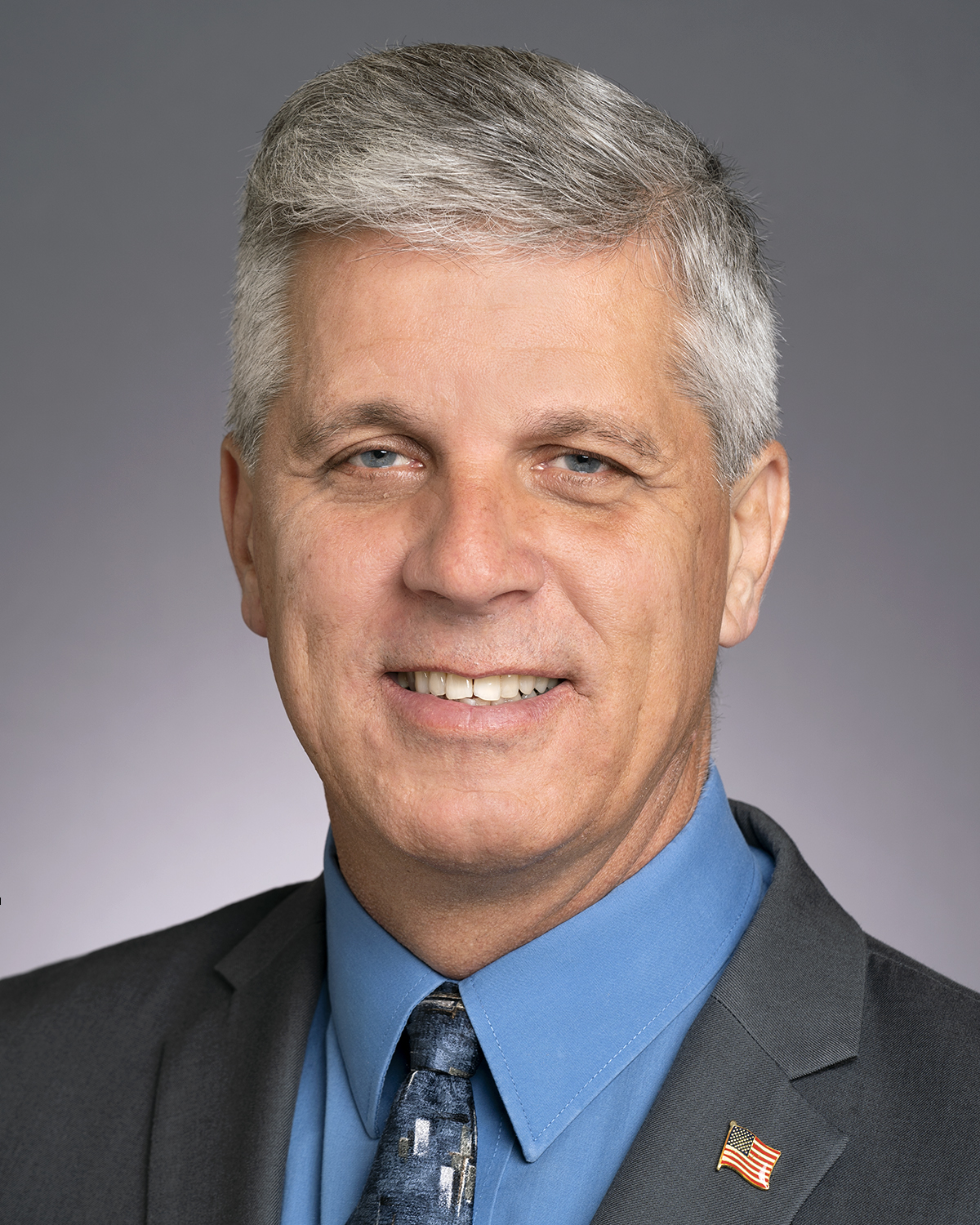
2025-2026 Regular Session Introduced by Steve Drazkowski and 1 co-sponsor

Summary of SF 702 (2025) — Liability limitation of a motor vehicle operator for harm caused to a pedestrian injured while illegally blocking a roadway Overview- Bill number and tit

Referred to Judiciary and Public Safety
0
WeVote Research Nonpartisan
Bill Summary · SF 702

Summary of SF 702 (2025) — Liability limitation of a motor vehicle operator for harm caused to a pedestrian injured while illegally blocking a roadway

Overview

  • Bill number and title: SF 702, “Liability limitation of a motor vehicle operator for harm caused to a pedestrian injured while illegally blocking a roadway.”
  • Introduced: January 27, 2025.
  • Status: Referred to the Judiciary and Public Safety committees.
  • House companion: HF 2808 (companion bill).

What the bill would do (based on title)

  • The bill proposes a liability limitation for motor vehicle operators in situations where the operator injures a pedestrian who is illegally blocking a roadway. In other words, it would establish a defense or limitation on civil liability for drivers under certain circumstances when a pedestrian unlawfully obstructs a street.
  • The exact scope, defenses, and thresholds would be defined in the bill’s text (definitions of “illegally blocking,” any exceptions, and the level of liability limitation are not provided in the summary).

Key provisions and changes (conceptual)

  • Establish a specific liability limitation or defense for motor vehicle operators who injure pedestrians in roadway-blocking scenarios identified as illegal.
  • Likely to require definitions within the bill (e.g., what constitutes “illegally blocking,” whether there are exceptions for gross negligence, reckless conduct, or more dangerous circumstances, and how the limitation interacts with existing negligence standards).
  • Potential incorporation of procedural elements (e.g., standards for proving the limitation, any notices, or interactions with insurers), though exact provisions are not provided.

Who would be affected

  • Primary: Motor vehicle operators who drive in areas where pedestrians are illegally blocking a roadway and may be injured as a result.
  • Pedestrians: Individuals who illegally block roadways would become a focus of a specific liability framework when harmed under these conditions.
  • Insurance and litigation: Auto insurers, plaintiffs, and defense counsel would navigate the new liability framework and any defenses or limitations created by the bill.
  • Public safety and law enforcement: Agencies involved in safety at roadways and enforcement of unlawful obstruction statutes may be affected by changes in civil liability norms.

Procedural and timeline aspects

  • Current stage: Introduction and first reading on January 27, 2025; referred to Judiciary and Public Safety.
  • No committee hearings or floor action dates are provided in the summary.
  • Next steps: The bill would proceed through committee consideration (Judiciary and Public Safety), potential amendments, and, if advanced, floor votes in the Minnesota Senate. The companion HF 2808 in the House would follow a parallel path.

Considerations and questions

  • How will “illegally blocking” be defined and proven?
  • Are there carve-outs (e.g., emergency situations, gross negligence by the driver, or other safety-focused exceptions)?
  • How does this interact with existing motor vehicle liability standards, duty of care, and comparative fault principles?
  • What implications could this have for pedestrian safety and road obstruction enforcement?

Notes

  • Detailed provisions, definitions, and any numerical liability caps or defenses would be in the bill text. The summary here reflects the bill’s stated purpose as inferred from the title and introductory status.

Compiled from official sources — confirm details with the bill’s official record.

Sign in to ask a question.