

WeVote

Bill

Bill

SJR A

Legislature: sessions; part-time legislature; provide for. Amends sec. 13, art. IV of the state constitution.

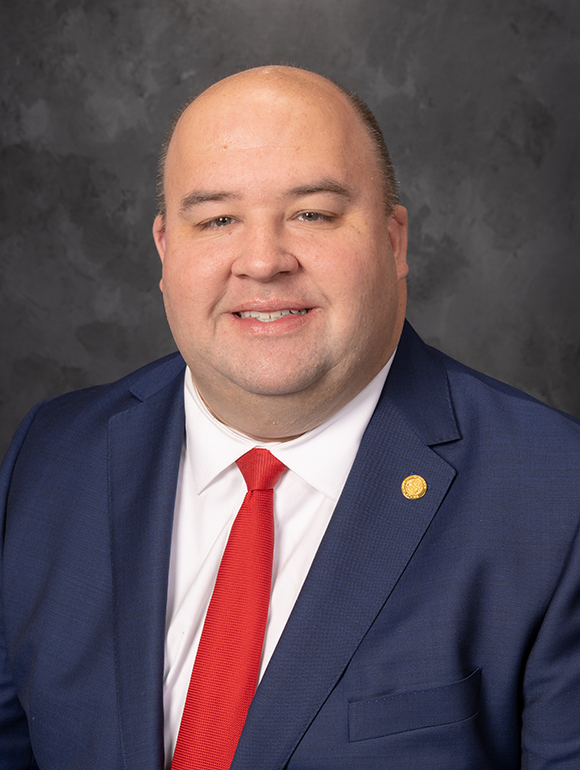
2025-2026 Regular Session Introduced by Michael Webber

Proposes a constitutional amendment to cap regular legislative sessions at 90 days (beginning 2027) with a fixed January start and noon adjournment, subject to voter approval.

REFERRED TO COMMITTEE ON GOVERNMENT OPERATIONS
0
WeVote Research Nonpartisan
Bill Summary · SJR A

Summary of Senate Joint Resolution A (SJR A)

Overview

  • Purpose: Propose a constitutional amendment to Michigan’s Constitution (1963) that would limit the length of the Legislature’s regular sessions and formalize a fixed annual schedule, with a cap on session days beginning in 2027.
  • Status: Introduced February 4, 2025 by Senator Michael Webber; referred to the Committee on Government Operations.
  • Type: Constitutional amendment (via a joint resolution). Requires approval by the Legislature and by voters at the general election.

What the bill would do

  • Establish a fixed start time and location for regular sessions: The Legislature would meet at the state’s seat of government on the second Wednesday in January each year at noon.
  • Set a hard end time for regular sessions: Each regular session would adjourn at noon on a day determined by concurrent resolution.
  • Carryover of unfinished business: Any business, bill, or joint resolution pending at the final adjournment of a regular session held in an odd-numbered year would carry over with the same status to the next regular session.
  • Cap on session length: Beginning in 2027 and in every year thereafter, the Legislature would meet for not more than 90 consecutive days.
  • Extraordinary sessions: The existing provision allowing extraordinary occasions to convene remains, but the 90-day cap applies to regular sessions (with the caveat that the language is in the context of the constitutional amendment).

Key provisions and details

  • Article affected: Article IV, Section 13 of the Michigan State Constitution (originally governing the schedule and length of sessions).
  • Timing rules:
    • Regular sessions start: second Wednesday in January, noon.
    • Regular sessions end: by noon on a date set by concurrent resolution.
    • Odd-year carryover: unfinished business from an odd-numbered year continues into the next regular session with the same status.
    • 90-day limit: applies to regular sessions beginning in 2027 and each year after.
  • Submission to voters: The amendment, if approved by the Legislature, would be submitted to the people at the next general election in the manner provided by law.

Who is affected

  • The Michigan Legislature (Senate and House of Representatives) would be bound by the new schedule and 90-day cap for regular sessions.
  • Legislators would operate under a more defined annual calendar, with potential implications for how they schedule committee work, floor action, and fiscal/legislative timing.
  • Voters would ultimately decide whether to adopt the constitutional change at the general election.

Procedural and timeline notes

  • Current status in 2025: Referred to the Committee on Government Operations, awaiting hearings and potential amendments before a full chamber vote.
  • Next steps: If approved by both chambers, the amendment would be placed on the ballot for voter approval at the next general election, per the bill’s language.
  • Effective date: If adopted by voters, the 90-day cap would become effective starting in 2027 for regular sessions, with the start-date and procedural changes aligned to the constitutional amendment.

Potential considerations

  • Administrative impact: A shorter regular-session window could affect budget cycles, committee throughput, and the pace of lawmaking.
  • Flexibility: The ability to convene extraordinary sessions remains to address urgent or time-sensitive issues, though the baseline cap emphasizes a constrained regular session period.
  • Fiscal impact: Depending on how the cap interacts with annual budgets and appropriations, there could be implications for state budgeting timelines and interim measures.

Compiled from official sources — confirm details with the bill’s official record.

Sign in to ask a question.