

WeVote

Bill

Bill

SB 1783

Legislature; creating the Prohibiting Corruption in the Legislature Act. Effective date.

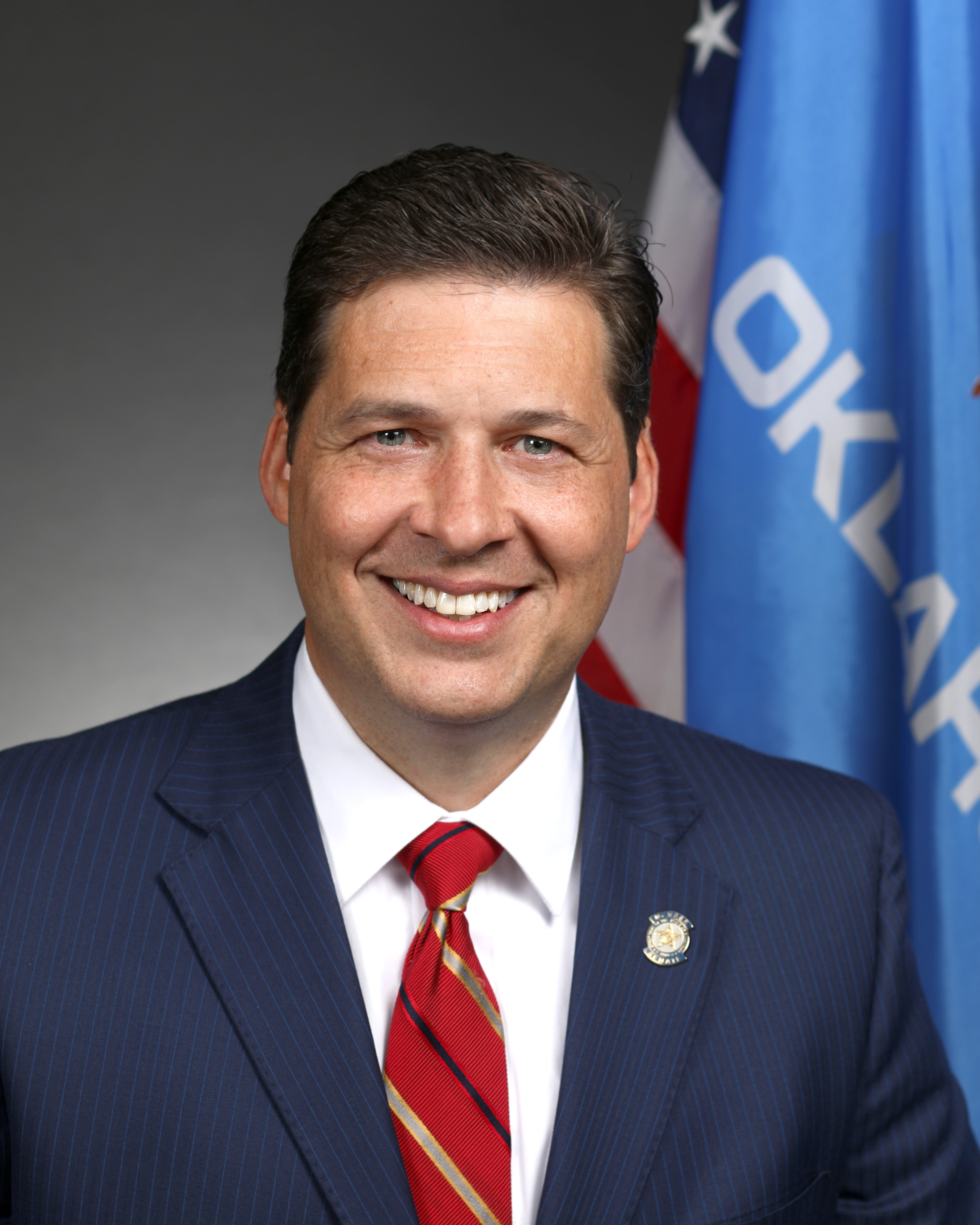
2026 Regular Session Introduced by Shane Jett

Oklahoma bill establishing anti-corruption rules for state legislators; currently in early committee stage with specific provisions not yet publicly detailed.

Second Reading referred to Rules
0
WeVote Research Nonpartisan
Bill Summary · SB 1783

Legislative bill overview

SB 1783, the Prohibiting Corruption in the Legislature Act, is designed to establish new rules and restrictions aimed at reducing corruption among Oklahoma state legislators. The bill was recently introduced and is currently in the early stages of the legislative process, having just completed its first reading. The specific provisions are not detailed in the available documentation, making a full assessment of its scope impossible at this stage.

Why is this important

Corruption in state legislatures undermines public trust in government and can lead to laws that benefit special interests rather than constituents. Oklahoma, like other states, has experienced high-profile ethics violations among lawmakers, making anti-corruption measures a recurring policy concern. The effectiveness of any such legislation depends heavily on its specific enforcement mechanisms and whether it closes existing loopholes in ethics rules.

Potential points of contention

  • Vagueness of "corruption" definition – Without seeing the bill's language, it's unclear whether it defines corruption narrowly (bribery, quid pro quo) or broadly (campaign contributions, lobbying relationships), which affects who it actually constrains
  • Enforcement mechanisms – Critics may question whether the bill includes adequate oversight, penalties, and independent investigation authority or relies on self-policing by the legislature itself
  • Application scope – There may be debate over whether restrictions apply equally to all legislators and staff, or whether certain positions or activities receive exemptions

Compiled from official sources — confirm details with the bill’s official record.

Sign in to ask a question.