

WeVote

Bill

Bill

SF 4550

Legislative working group on intellectual and developmental disabilities creation

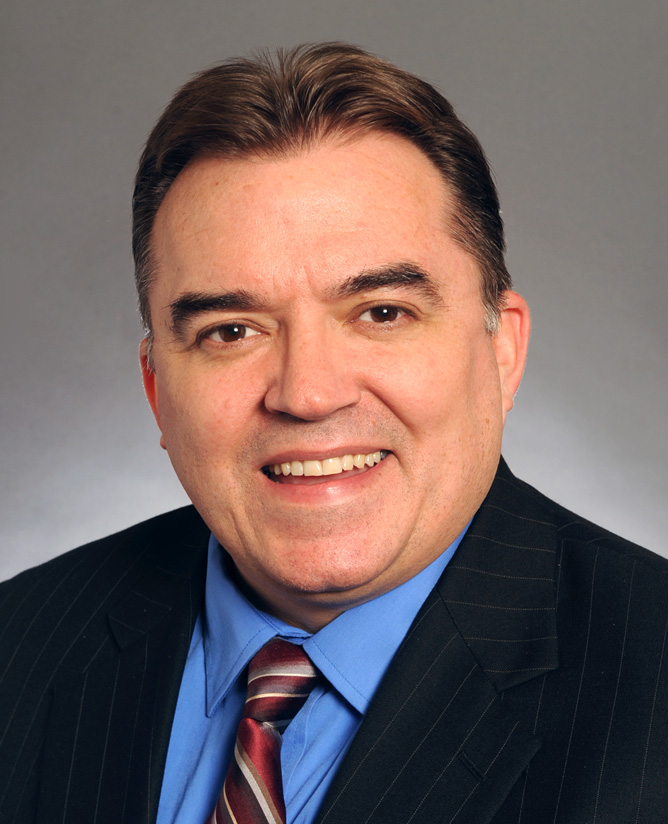
2025-2026 Regular Session Introduced by John Hoffman and 1 co-sponsor

Establish a legislative I/DD working group to study policies, identify gaps, and make actionable, legislatively-reportable recommendations to improve services and outcomes for indi

Referred to Human Services
0
WeVote Research Nonpartisan
Bill Summary · SF 4550

Summary: SF 4550 (2025-2026) – Legislative Working Group on Intellectual and Developmental Disabilities Creation

Overview

SF 4550 proposes the creation of a legislative working group focused on intellectual and developmental disabilities (I/DD) in Minnesota. The bill outlines the purpose, scope, membership, responsibilities, reporting requirements, and timeline for establishing this cross-cutting forum to study and advise on policy related to I/DD.

  • Jurisdiction: Minnesota
  • Session: 2025-2026
  • Status: Introduced and referred to the House committee (Human Services) as of March 18, 2026
  • Sponsors:
    • Co-sponsor: John Hoffman
    • Co-sponsor: Paul Utke

Purpose and Intent

The primary aim of SF 4550 is to create a formal legislative body—the I/DD Legislative Working Group—to examine policies, services, supports, and outcomes affecting individuals with intellectual and developmental disabilities. The group is intended to:

  • Facilitate collaboration among legislators, state agencies, providers, individuals with I/DD and their families, advocates, and other stakeholders.
  • Identify gaps, barriers, and opportunities in Minnesota’s I/DD system.
  • Develop actionable recommendations to improve access, quality of care, service coordination, funding, and overall outcomes for people with I/DD.

Key Provisions and Changes (What the Bill Would Do)

  • Establishment of a Working Group: Create a standing or temporary legislative working group dedicated to I/DD issues. The bill specifies its purpose and scope to study and report on policies affecting I/DD populations.
  • Membership: Designate representation from key stakeholders, potentially including legislators, state agencies (e.g., Department of Human Services), providers, advocates, self-advocates, families, and other organizations with expertise in I/DD. The exact composition, appointment method, and terms would be defined in the bill or accompanying rules.
  • Authority and Responsibilities:
    • Gather information, conduct hearings or meetings, and request data or expert testimony as needed.
    • Identify best practices, successful program models, and gaps in services such as supports coordination, employment, housing, healthcare access, and crisis services.
    • Develop recommended policy changes, program improvements, financing strategies, and implementation plans.
  • Reporting Requirements: The working group would be required to produce one or more reports to the Legislature detailing findings, recommendations, and proposed timelines for implementation. There may be interim updates and a final report.
  • Timeline and Sunset: The bill would specify the duration of the working group, including start and end dates, and whether the group is temporary (with a defined deadline) or permanent with periodic review. It may include a process for extending or reestablishing the group.
  • Rules and Administration: Provisions for meetings (public or open meetings), record-keeping, and administrative support, including staff assistance from a legislative office or committee services.

Who Is Affected

  • Individuals with Intellectual and Developmental Disabilities: Directly benefit through potential improvements in policies, services, and supports.
  • Families and Caregivers: May experience better coordination of services, clearer information, and enhanced advocacy opportunities.
  • State Agencies and Service Providers: Part of the collaborative process; may need to supply data, participate in discussions, and implement recommended changes.
  • Legislature: Receives consolidated findings and legislative-ready recommendations to inform future policy decisions and budget priorities.

Procedural and Timeline Considerations

  • Introduction and Referral: The bill was introduced and referred to the House Human Services committee on March 18, 2026. The exact path (e.g., Senate counterpart, committee hearings) will determine the timeline for formation and activities.
  • Operating Timeline: Depending on whether the working group is temporary or permanent, milestones will include initial meetings, data gathering deadlines, interim reports, and a final policy recommendations report.
  • Budget and Funding: If applicable, the bill may specify funding sources or allocations for staff, expert researchers, and public hearing costs related to the group’s operations.

Potential Impacts and Considerations

  • Policy Coherence: Could improve alignment across agencies (health care, human services, education, housing) in addressing I/DD needs.
  • Evidence-Based Recommendations: Emphasizes data collection and stakeholder input to ground policy changes in evidence.
  • Stakeholder Engagement: Provides a formal platform for diverse viewpoints, including self-advocates and family voices.
  • Implementation Challenges: Requires clear authority, defined scope, adequate staffing, and timely legislative action on recommendations to avoid process lag.

If you’d like, I can tailor this summary to include a hypothetical membership structure, or compare SF 4550 to similar working groups in Minnesota to provide context on potential influence and effectiveness.

Compiled from official sources — confirm details with the bill’s official record.

Sign in to ask a question.