

WeVote

Bill

Bill

HB 2223

Legal representation of indigent defendant; abolition of fees.

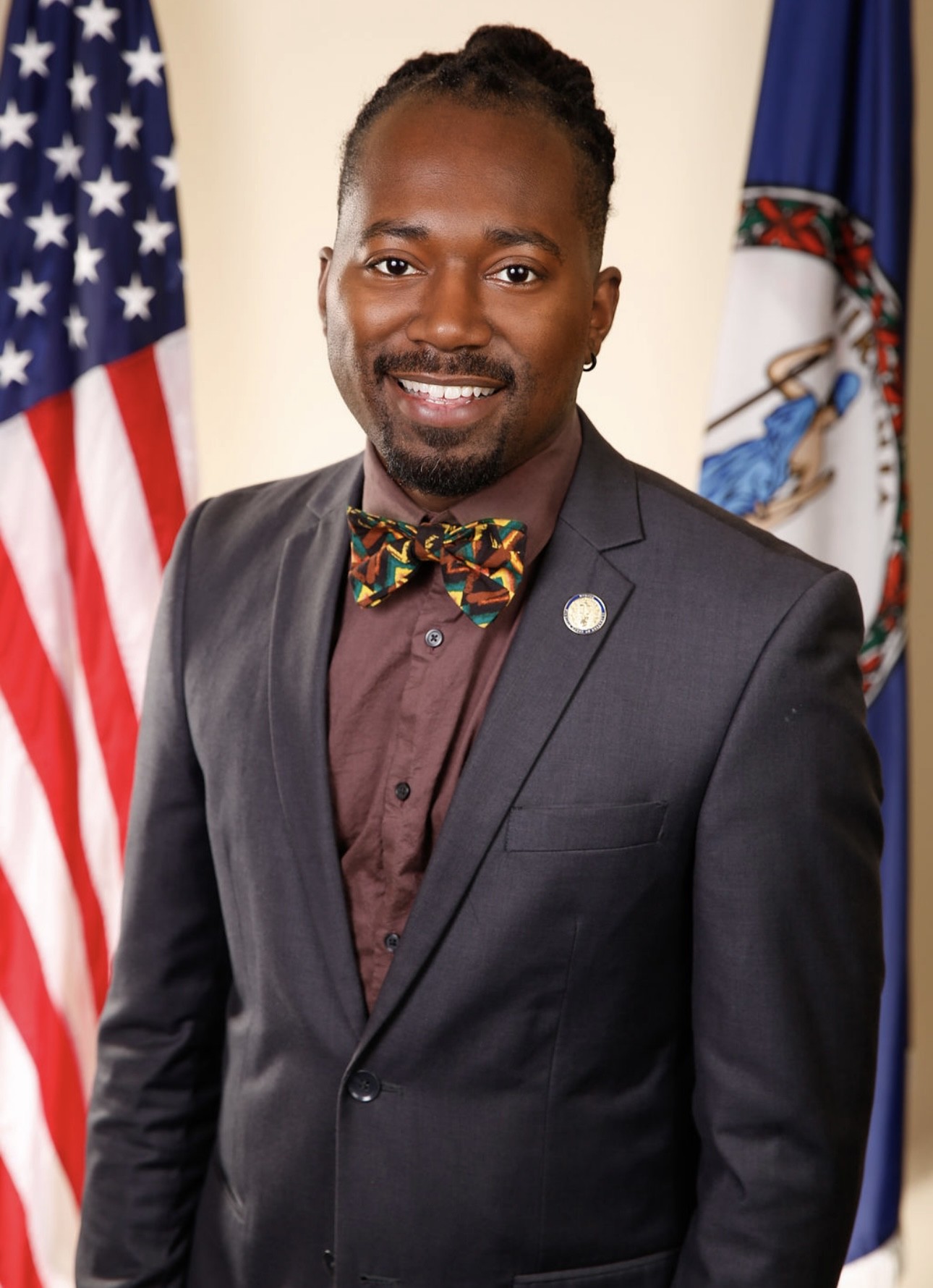
2025 Regular Session Introduced by Nadarius Clark and 9 co-sponsors

HB 2223 broadens Kansas optometrists' scope to perform more diagnostics, treatments and certain laser procedures, under credentialing rules and a public licensure directory.

Left in Appropriations
0
WeVote Research Nonpartisan
Bill Summary · HB 2223

HB 2223 — Summary (Introduced January 29, 2025; Hearing March 24, 2025)

Purpose / Intent

HB 2223 updates Kansas optometry law to broaden the defined scope of practice for licensed optometrists, clarify related definitions, and add credentialing requirements and Board responsibilities. The stated aim (by proponents) is to modernize the statute so optometrists may practice to the full extent of their education and training.

Key provisions

  • Scope expansion

    • Permits optometrists to use medical devices and to administer, prescribe, or dispense pharmaceutical drugs by all routes of administration EXCEPT intraocular injections (i.e., no injections directly into the eye).
    • Explicitly allows a list of office procedures and minor surgical/laser procedures, including:
    • Removal of non‑perforating foreign bodies from the cornea, conjunctiva, or eyelids
    • Removal of eyelashes
    • Corneal scraping for diagnostics (smears, cultures)
    • Dilation, probing, irrigation, or closure (e.g., punctal plug) of tear drainage structures
    • Expression of conjunctival follicles or cysts
    • Debridement of corneal epithelium
    • Incision and curettage of chalazion
    • Removal and biopsy of non‑malignant skin lesions
    • Post‑cataract YAG laser capsulotomy
    • Laser trabeculoplasty for certain glaucomas
    • Laser peripheral iridotomy
    • Authorizes additional procedures not specifically prohibited that fall within a licensee’s education and training, as established by Board rules and regulations.
  • Specific exclusions (procedures optometrists may NOT perform)

    • Retinal surgery
    • Penetrating keratoplasty (corneal transplant)
    • Administration of or surgery under general anesthesia
    • Enucleation (removal of the eye)
    • Surgical extraction of the crystalline lens
    • Surgical intraocular implants
    • Incisional/excisional surgery of extraocular muscles
    • Surgery of the bony orbit
    • LASIK or PRK (laser refractive corneal reshaping)
    • YAG laser vitreolysis
    • Eyelid surgery for cosmetic/mechanical eyelid repair (e.g., blepharochalasis, ptosis, tarsorrhaphy)
    • (The bill does allow optometrists to provide pre‑ and post‑operative care for these excluded procedures.)
  • Credentialing and Board duties

    • Applicants seeking credentialing to perform expanded procedures must complete and swear to a Board-supplied application and pay any fees the Board sets by rule.
    • The Kansas Board of Examiners in Optometry must establish credentialing requirements for those procedures.
    • The Board must maintain and publish a public directory of all licensed optometrists (names and addresses).
    • The bill contains technical and conforming changes to existing statutes and repeals certain prior sections (per the introduced text).

Who is affected

  • Optometrists: gain authority to perform a broader set of diagnostic, therapeutic and certain laser procedures (subject to credentialing and Board rules).
  • Patients: may receive expanded eye care services from optometrists in more clinical settings.
  • Ophthalmologists and medical societies: may be affected by scope changes; several medical groups have opposed the expansion citing training and safety concerns.
  • Kansas Board of Examiners in Optometry: new rulemaking, credentialing and directory responsibilities.
  • Payers, malpractice insurers and clinics: may see practice pattern and liability/credentialing implications (not addressed in the bill text).

Procedural / Fiscal notes

  • Introduced: January 29, 2025 (by House Committee on Health & Human Services on behalf of the Kansas Optometric Association); companion SB 291 exists in the Senate.
  • Hearing: Monday, March 24, 2025 — 8:30 AM, Room 142‑S.
  • House committee recommended passage (supplemental note prepared by Legislative Research Department).
  • Fiscal note: Board indicates enactment would have a negligible fiscal effect on its operations.

Stakeholder positions (from committee hearing)

  • Proponents: Kansas Optometric Association, individual optometrists, Northeastern State Univ. College of Optometry — argued the bill modernizes practice law and lets optometrists practice to full training.
  • Opponents: Kansas Medical Society, Kansas Society of Eye Physicians & Surgeons, some physicians and a state senator — expressed concern expansion goes beyond optometrists’ training, particularly for surgical/laser procedures.
  • Neutral: Executive Director, Kansas State Board of Healing Arts — raised concerns about laser use and prescriptive authority, noting some procedures could be performed now under delegation from ophthalmologists.

If you’d like, I can produce a one‑page handout highlighting the practical impacts for optometry clinics, or a side‑by‑side comparison of current law vs. changes proposed by HB 2223.

Compiled from official sources — confirm details with the bill’s official record.

Sign in to ask a question.