

WeVote

Bill

WeVote Research Nonpartisan
Bill Summary · SF 5063

Summary of SF 5063 (Minnesota) – 2025-2026 Session

Title

Law enforcement training appropriation

Purpose and intent

SF 5063 would establish and authorize funding for training initiatives related to law enforcement within Minnesota. The bill appears to be aimed at improving training programs for law enforcement personnel, potentially including curriculum, delivery, and operational support. The explicit objectives—based on the title and typical structure of such measures—are to enhance professional development, promote standardization of training, and support agencies in implementing evidence-based practices. The bill’s text (not provided here) would specify the exact programs, funding levels, and administrative mechanisms.

Key provisions and changes

Note: The following points reflect the typical elements of a “training appropriation” bill. For precise language, refer to the bill’s text.

  • Authorization of funds: Establishes a dedicated appropriation or funding pathway to support law enforcement training programs. This may include state general funds, grants, or statutory allocations to a state agency or a training commission.
  • Program scope: Defines the types of training to be funded (e.g., use-of-force, de-escalation, crisis intervention, bias and cultural competency, legal updates, firearms proficiency, evidence-based policing, mental health crisis response, community policing, and instructor development).
  • Administration and oversight: Identifies the responsible agency or body (e.g., a Minnesota peace officer standards and training board or equivalent) and outlines reporting, accountability, and compliance requirements.
  • Eligibility and recipients: Clarifies which entities may receive funds (state agencies, sheriff's offices, municipal police departments, training academies, or nonprofit/educational partners) and any matching fund requirements or performance-based criteria.
  • Timeline and implementation: Sets effective dates for appropriation and program rollout, with milestones or biennial reporting. May include phased funding or multi-year commitments.
  • Compliance and evaluation: Establishes metrics or outcomes to assess impact (e.g., training hours per officer, knowledge gains, changes in policy adherence, reductions in use-of-force incidents, or improved response to crisis situations).

Who would be affected

  • Law enforcement agencies: State, county, and municipal police departments and sheriff’s offices that would receive funding to support training initiatives.
  • Training providers: Agencies or institutions responsible for delivering training (in-house academies, accredited training centers, universities, or private vendors).
  • Officers and staff: Law enforcement personnel who would participate in funded training programs, including sworn officers and possibly civilian staff involved in policing activities.
  • Governance bodies: State training boards or agencies charged with administering the funds and monitoring compliance and outcomes.

Procedural and timeline aspects

  • Introduction and referral: The bill was introduced and referred to Judiciary and Public Safety on April 9, 2026.
  • Legislative process: As a first-reading referral bill, it will proceed through committee hearings, potential amendments, and votes in both chambers. Any appropriations would typically be subject to the annual or supplemental budget process and alignment with fiscal forecasts.
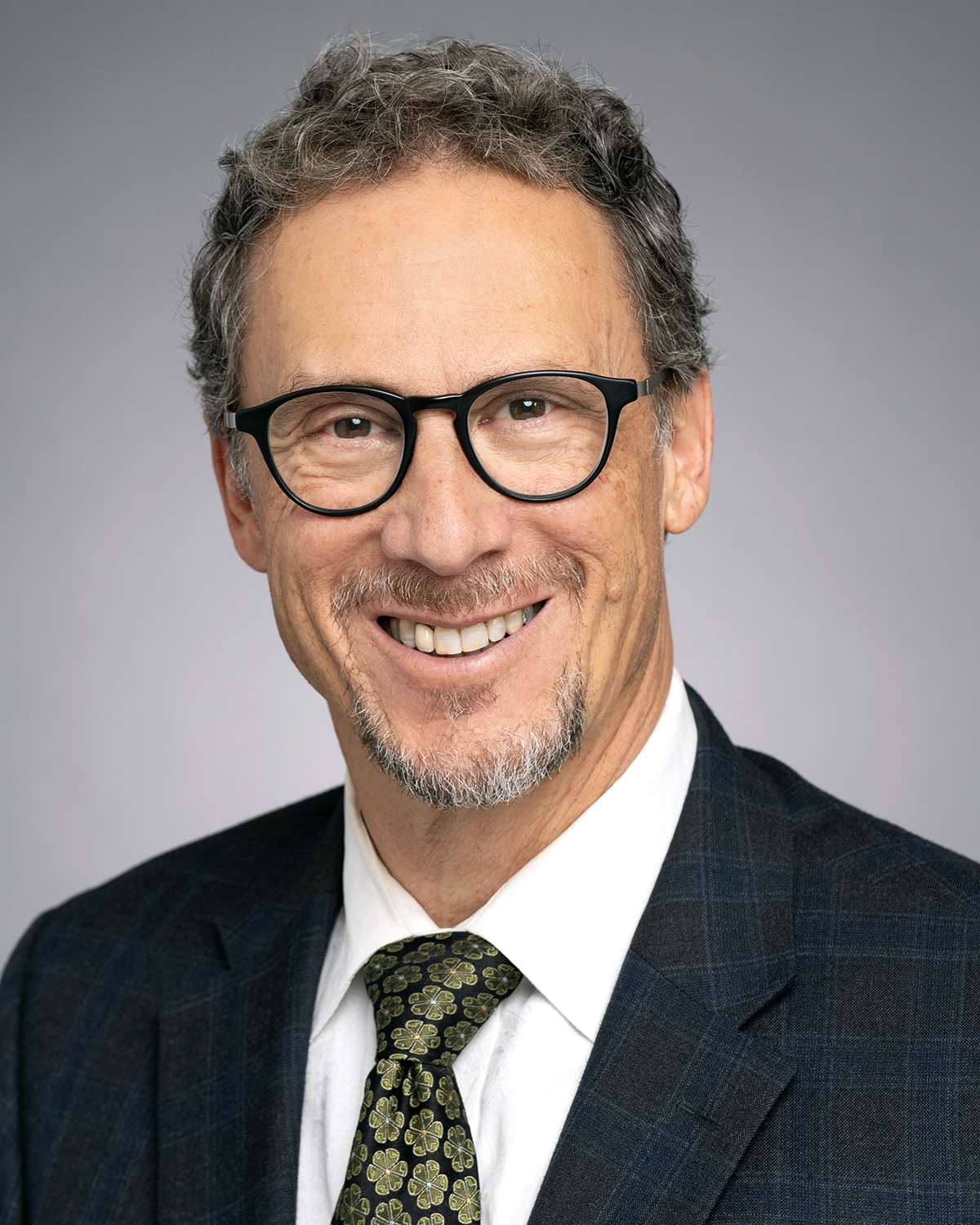
  • Sponsor information: Co-sponsor listed as Ron Latz.

Potential implications

  • Policy impact: Increased and targeted investment in training could standardize best practices, improve officer safety, and enhance community relations through improved de-escalation and crisis intervention skills.
  • Budget considerations: The bill creates a dedicated funding stream; the magnitude of impact depends on the approved appropriation and distribution methodology.
  • Accountability: With procedural provisions and reporting, the measure aims to provide transparency on how funds are used and what outcomes are achieved.

If you have the bill’s full text, I can provide a more precise item-by-item summary of each provision, including specific dollar amounts, eligible programs, and reporting requirements.

Compiled from official sources — confirm details with the bill’s official record.

Sign in to ask a question.