

WeVote

Bill

Bill

SB 690

Land use: farmland and open space; legal arrangements eligible for tax credits; expand. Amends sec. 36109 of 1994 PA 451 (MCL 324.36109). TIE BAR WITH: SB 0688'25, SB 0686'25, SB 0689'25, SB 0687'25, SB 0685'25

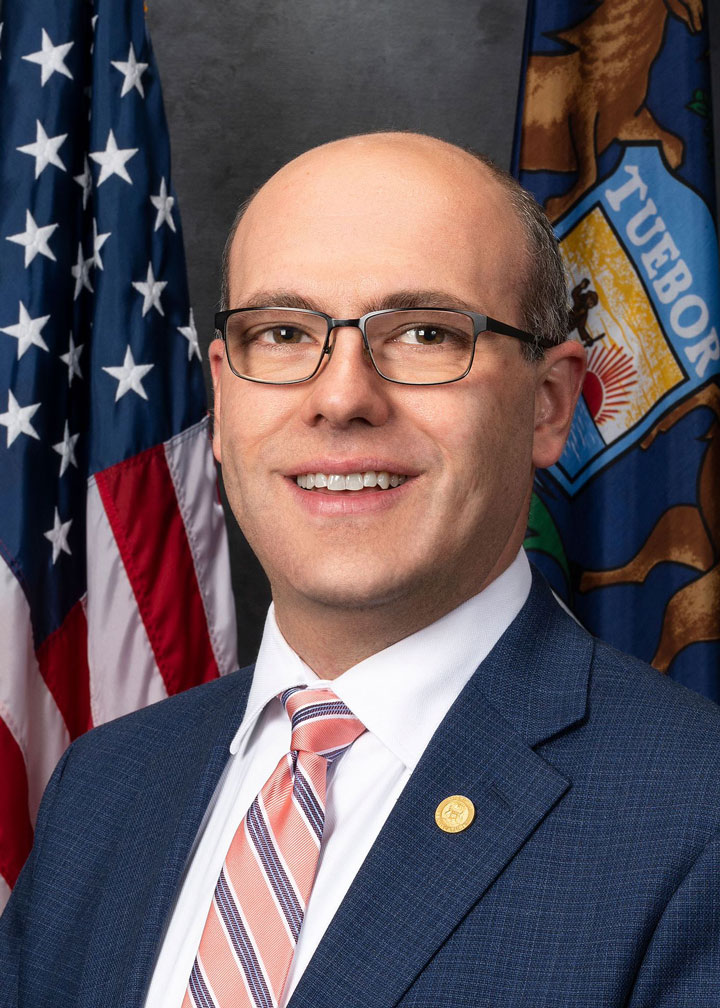
2025-2026 Regular Session Introduced by John Cherry and 5 co-sponsors

SB 690 expands Michigan tax credits for farmland preservation by broadening eligible legal arrangements for agricultural property owners seeking conservation incentives.

referred to second reading
0
WeVote Research Nonpartisan
Bill Summary · SB 690

Legislative bill overview

SB 690 expands the types of legal arrangements eligible for Michigan's farmland and open space tax credits by amending the Natural Resources and Environmental Protection Act. The bill broadens what property owners can use to preserve agricultural and open lands while still receiving state tax incentives, working in coordination with five related bills on the same subject.

Why is this important

Agricultural land preservation directly affects food security, rural economies, and property tax bases in Michigan communities. Expanding eligible arrangements could make it easier for farmers and landowners to access tax credits when protecting their property, potentially accelerating conservation efforts—though it may also reduce state tax revenue depending on participation rates.

Potential points of contention

  • Tax revenue impact: Expanding eligibility could increase the number of properties qualifying for credits, reducing state tax collections without clear fiscal projections provided in bill materials
  • Definition ambiguity: The bill doesn't specify in this summary what new "legal arrangements" qualify, raising questions about whether criteria are sufficiently clear and defensible
  • Coordination complexity: The tie-bar requirement linking this to five other bills means passage depends on all six passing together, potentially creating legislative bottlenecks if stakeholders dispute any single bill

Compiled from official sources — confirm details with the bill’s official record.

Sign in to ask a question.