

WeVote

Bill

Bill

SB 783

Labor; prohibiting an employer from requiring a nondisclosure agreement from an employee relating to sexual harassment in the workplace. Effective date.

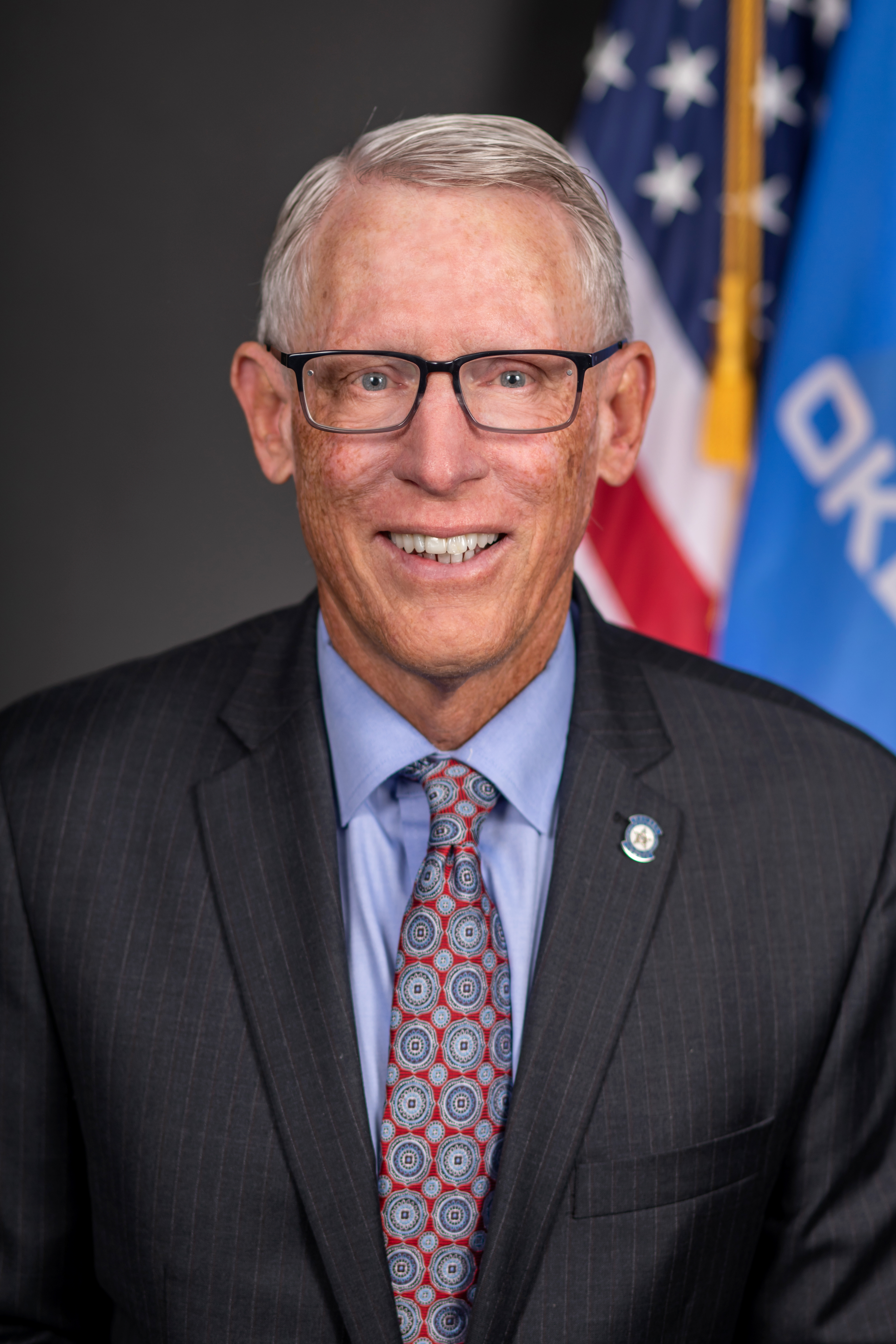
2026 Regular Session Introduced by Dave Rader

Oklahoma bill prohibits employers from requiring employee NDAs about workplace sexual harassment, enabling victims to speak freely about incidents.

Second Reading referred to Economic Development, Workforce and Tourism
0
WeVote Research Nonpartisan
Bill Summary · SB 783

Legislative bill overview

SB 783 prohibits Oklahoma employers from requiring employees to sign nondisclosure agreements (NDAs) that prevent them from discussing sexual harassment in the workplace. The bill aims to remove legal barriers that silence victims and witnesses of sexual harassment by invalidating such contractual restrictions.

Why is this important

Sexual harassment often persists partly because NDAs create confidentiality obligations that discourage reporting and prevent information-sharing among employees. By blocking these agreements, the bill could enable more victims to speak openly, potentially increasing accountability for offenders and institutional harassment problems. This reflects a national trend toward transparency in workplace safety issues.

Potential points of contention

  • Business confidentiality concerns: Employers may argue that blanket NDA restrictions could expose company strategies, client information, or settlement details unrelated to harassment that they legitimately need protected.
  • Scope ambiguity: The bill's language on what constitutes a "nondisclosure agreement relating to sexual harassment" may create litigation over whether partial or conditional restrictions are prohibited.
  • Settlement negotiations: Unclear whether victims can still agree to confidentiality voluntarily post-harassment (versus pre-employment requirements), which could complicate settlement discussions between employers and complainants.

Compiled from official sources — confirm details with the bill’s official record.

Sign in to ask a question.