

WeVote

Bill

Bill

HR 8036

Interagency Coordination in Export Controls Act of 2026

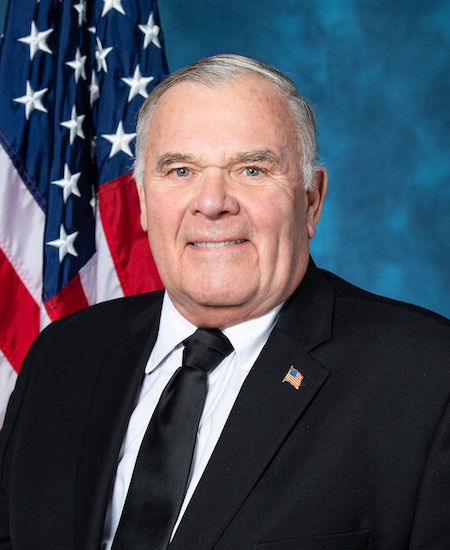
119th Congress Introduced by Jim Baird and 1 co-sponsor

HR 8036 requires federal agencies to coordinate export control decisions through unified procedures and shared systems to strengthen national security enforcement.

Committee Consideration and Mark-up Session Held
0
WeVote Research Nonpartisan
Bill Summary · HR 8036

Legislative bill overview

HR 8036 establishes formal coordination mechanisms between federal agencies responsible for export controls, particularly the State Department, Commerce Department, and Defense Department. The bill creates requirements for inter-agency communication, shared databases, and unified decision-making processes to streamline export licensing and enforcement activities.

Why is this important

Export controls are critical national security tools that restrict sensitive technologies, materials, and information from reaching adversaries or hostile regimes. Fragmented agency coordination can create enforcement gaps, duplicate efforts, or allow controlled items to slip through regulatory cracks—making unified procedures essential for maintaining export control effectiveness.

Potential points of contention

  • Bureaucratic burden vs. efficiency: Coordination requirements may create new procedural delays in export licensing, potentially hampering legitimate businesses, or conversely may streamline processes depending on implementation
  • Agency turf and decision authority: Unclear which agency has final approval power in inter-agency disputes could create conflicts or diffuse accountability
  • Classified information sharing: Balancing real-time intelligence sharing between agencies with security compartmentalization and oversight concerns

Compiled from official sources — confirm details with the bill’s official record.

Sign in to ask a question.