

WeVote

Bill

Bill

AJR 33

Intellectual property enforcement: Priority Foreign Countries.

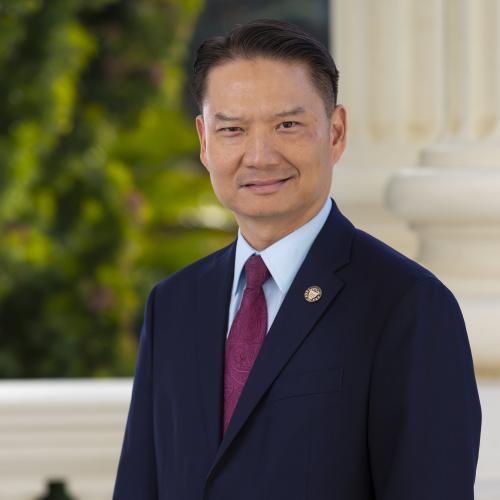
2025-2026 Regular Session Introduced by Tri Ta

Designates certain foreign countries as Priority Foreign Countries for IP enforcement to guide California’s policy stance and advocacy, not create new laws.

Introduced. To print.
0
WeVote Research Nonpartisan
Bill Summary · AJR 33

Overview

AJR 33 (2025-2026, California) is a joint resolution that addresses the state’s stance on intellectual property enforcement by designating certain foreign countries as “Priority Foreign Countries” for purposes relating to IP enforcement. The bill is introduced with co-sponsorship from Tri Ta. As a joint resolution, it is generally intended to express the Legislature’s position and urging or directing action, rather than to enact new law directly.

Purpose and Intent

  • To declare that certain foreign countries should be treated as Priority Foreign Countries in the context of California’s IP enforcement policy.
  • To signal the Legislature’s concern regarding weaknesses or deficiencies in IP protection and enforcement abroad, and to emphasize the importance of robust IP protection for California workers, creators, and businesses.
  • To potentially guide state agencies, consumer protections, and economic development efforts in aligning with stronger international IP enforcement standards.

Key Provisions and Changes

  • Designation Mechanism: The bill would establish or authorize the designation of specific foreign countries as Priority Foreign Countries with respect to IP enforcement. The exact list and criteria would be defined within the bill text or through accompanying statutory or policy guidance.
  • Policy and Advocacy: The designation would inform and direct actions by California state entities in policy discussions, advocacy, and potential coordination with federal efforts or international trade initiatives on IP enforcement.
  • Scope of IP Enforcement: The resolution would frame IP enforcement concerns (e.g., protection of copyrights, trademarks, patents) within the context of international standards and cooperation, potentially influencing state messaging and priorities.
  • Non-Binding Nature: As a joint resolution, the designation typically does not create enforceable statutory obligations on private actors or state agencies beyond expressing the Legislature’s position and requests.

Who Is Affected

  • California State Government: Agencies involved in economic development, trade, consumer protection, and international relations may reference or align with the Priority Foreign Countries designation in policy agendas and advocacy.
  • California Businesses and Creators: IP-intensive industries (e.g., entertainment, technology, manufacturing, software, publishing) may benefit from enhanced state emphasis on international IP protection, though concrete regulatory changes are unlikely absent subsequent implementing measures.
  • General Public and Consumers: Indirectly affected through potential increased emphasis on protecting IP rights in California’s economic and trade policy stance.

Procedural and Timeline Aspects

  • Status: Introduced in the 2025-2026 session and scheduled to be printed for consideration.
  • Legislative Path: As a joint resolution, it would typically require approval by both houses (Senate and Assembly) and, if applicable, presentation to the Governor for signature or veto. It does not amend existing statute but communicates the Legislature’s position.
  • Potential Follow-Ons: The designation could prompt accompanying hearings, fiscal analyses, or policy reports, and may influence future executive or departmental actions, or federal–state coordination on IP enforcement.

Notes

  • The bill’s text would specify which countries are designated and the criteria used for designation.
  • The exact impact depends on how the resolution’s language is framed and whether it triggers any formal policy commitments or merely serves as an aspirational declaration.

If you’d like, I can incorporate the bill’s specific language or list of designated countries once you provide the text.

Compiled from official sources — confirm details with the bill’s official record.

Sign in to ask a question.