

WeVote

Bill

Bill

SB 400

Insurance: health insurers; prior authorization for certain opioid use disorder and alcohol use disorder medications; prohibit. Amends 1956 PA 218 (MCL 500.100 - 500.8302) by adding sec. 3406ww.

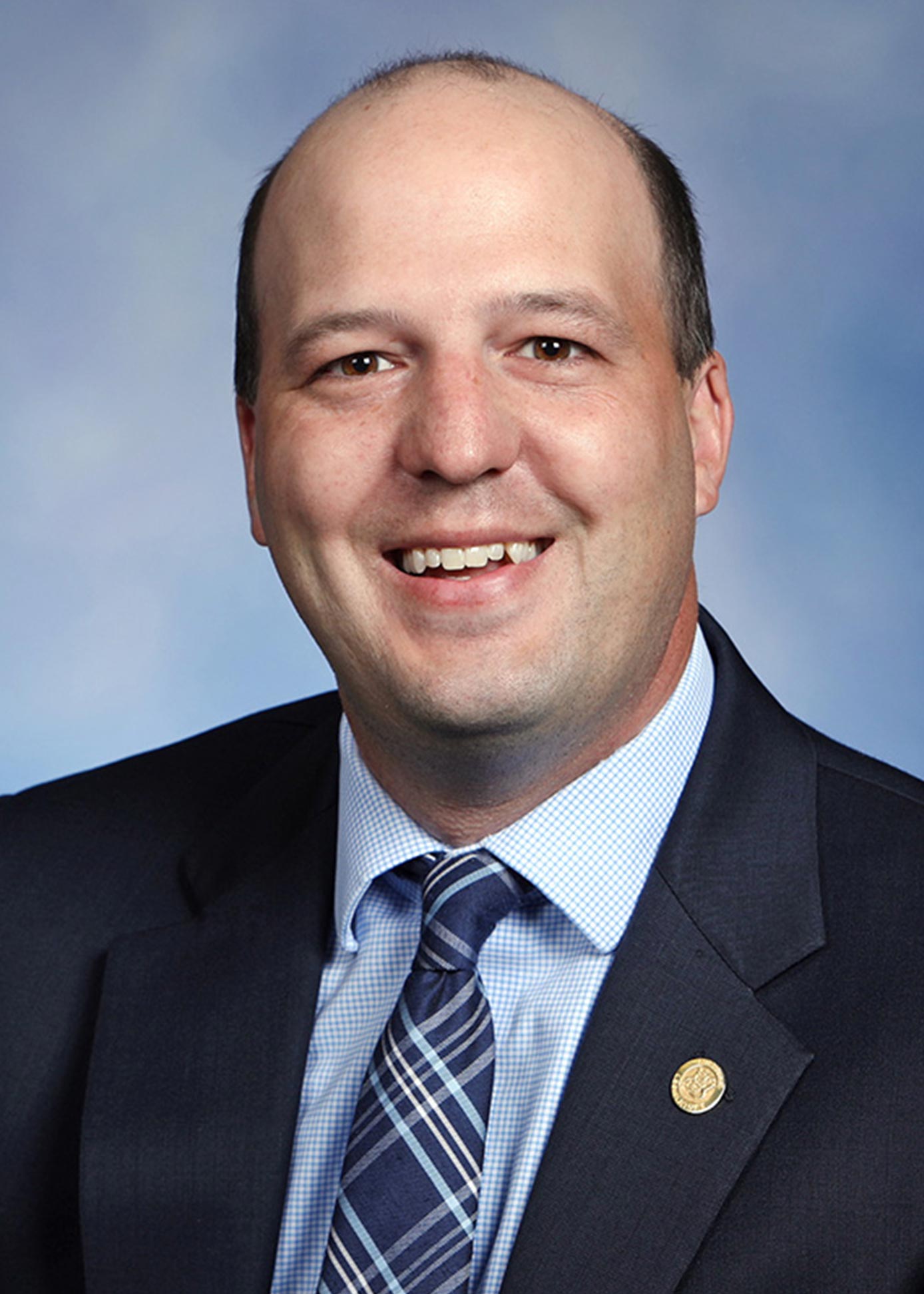
2025-2026 Regular Session Introduced by Kevin Hertel and 1 co-sponsor

Michigan prohibits health insurers from requiring prior authorization for opioid and alcohol use disorder medications, enabling faster patient access to addiction treatment.

referred to Committee on Insurance
0
WeVote Research Nonpartisan
Bill Summary · SB 400

Legislative bill overview

SB 400 prohibits Michigan health insurers from requiring prior authorization for medications used to treat opioid use disorder and alcohol use disorder. Prior authorization is an insurance approval process that can delay treatment initiation. The bill ensures patients can access these medications without insurance companies blocking or delaying prescriptions upfront.

Why is this important

Opioid and alcohol use disorders are serious medical conditions where medication-assisted treatment (MAT) can be lifesaving. Delays caused by prior authorization requirements can lead patients to abandon treatment, relapse, or overdose. Removing this barrier addresses both a public health crisis and healthcare equity, as prior authorization disproportionately affects lower-income individuals without resources to navigate insurance appeals.

Potential points of contention

  • Cost concerns: Insurers may argue that removing prior authorization oversight increases medication costs and insurance premiums, though evidence on MAT cost-effectiveness is mixed
  • Abuse potential: Some stakeholders worry about potential misuse of opioid-specific medications without any insurance gatekeeping, though the bill targets legitimate medical treatment
  • Scope limitations: The bill doesn't address other treatment barriers like coverage limits, dosage restrictions, or medication formulary exclusions that can still impede access

Compiled from official sources — confirm details with the bill’s official record.

Sign in to ask a question.