

WeVote

Bill

WeVote Research Nonpartisan
Bill Summary · HB 4432

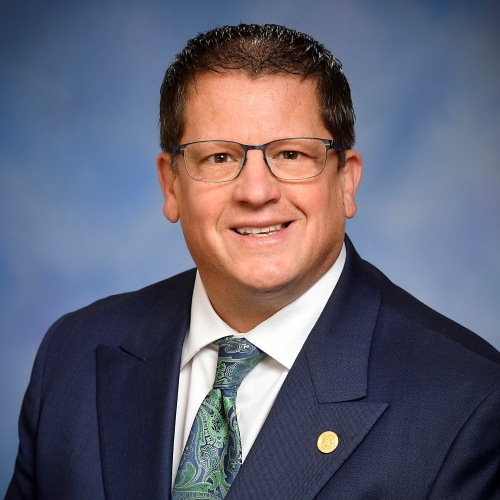
Summary — HB 4432 (Introduced by Rep. Steve Frisbie)

Purpose

HB 4432 would create a refundable individual income tax credit designed to recognize and support volunteer emergency medical services (EMS) personnel. The credit aims to provide financial relief to individuals who volunteer substantial time providing prehospital emergency care through a licensed life support agency.

Key provisions

  • Establishes a $2,500 refundable tax credit against Michigan individual income tax for each qualified volunteer who serves as emergency medical services personnel with a life support agency during the tax year.
  • Effective for tax years beginning on or after January 1, 2025.
  • If the credit exceeds the taxpayer’s liability, the excess is refunded to the taxpayer.

Eligibility requirements

  • The claimant must be a “qualified volunteer”: a volunteer or paid on‑call EMS personnel who (a) performs at least 10 hours of active service per month with a life support agency during the tax year, and (b) is not paid an hourly wage or salary for those volunteer services. The only permissible compensation is reimbursement for reasonable expenses or customary benefits/fees paid in connection with volunteer services.
  • An individual who is paid by one life support agency but volunteers for another may claim the credit for the volunteer service with the other agency.
  • Claimants must submit, with their annual return, a signed written statement from the head of the life support agency for which they volunteered affirming:
    • active membership and at least 10 hours/month of volunteer service,
    • compliance with applicable training, policy, and state requirements,
    • that the individual’s only compensation for those volunteer services meets the bill’s limits.

Definitions

  • “Emergency medical services personnel” — medical first responder, EMT, EMT specialist, paramedic, or EMS instructor‑coordinator licensed under Part 209 of the Public Health Code.
  • “Life support agency” — ambulance operation, nontransport prehospital life support operation, aircraft transport operation, or medical first response service (as defined in the Public Health Code).
  • “Qualified volunteer” — as described above (10+ hours/month and compensation limits).

Fiscal impact

The House Fiscal Agency estimates that HB 4432 together with its companion HB 4431 (volunteer firefighters credit) would reduce state general‑fund revenue by approximately $60.0–$70.0 million. About one‑quarter of that loss is attributable to the EMS credit (HB 4432) — roughly $15.0–$18.0 million based on the agency’s estimate.

Legislative status & timeline

  • Filed: March 11, 2025 (House); House introduced version dated May 6, 2025.
  • Referred to Committee on Finance; committee hearings and substitutes considered April 2025.
  • Committee reported favorably (as substituted); placed on General State Calendar.
  • Status as of Oct 28, 2025: reported with recommendation without amendment and referred to second reading.
  • Companion bill: SB 2077.

This summary focuses on substantive effects and administrative requirements for claiming the credit.

Compiled from official sources — confirm details with the bill’s official record.

Sign in to ask a question.