

WeVote

Bill

Bill

SB 321

Individual income tax: credit; credit for contributions to scholarship-granting organizations and deduction of funds distributed to student opportunity scholarship accounts; provide for. Amends sec. 30 of 1967 PA 281 (MCL 206.30) & adds secs. 279 & 679. TIE BAR WITH: SB 320'25

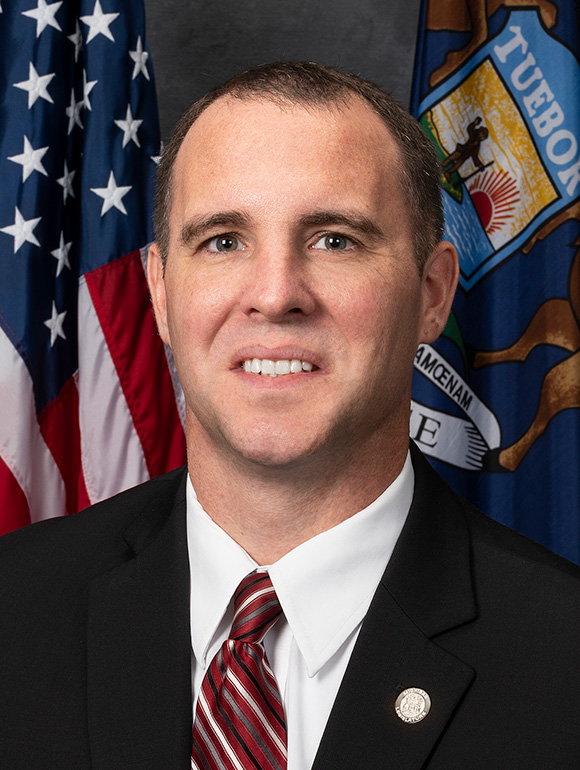
2025-2026 Regular Session Introduced by Thomas Albert and 11 co-sponsors

Michigan bill creates income tax credits for charitable education donations and deductions for student opportunity scholarships, incentivizing private funding while reducing state tax revenue.

REFERRED TO COMMITTEE ON EDUCATION
0
WeVote Research Nonpartisan
Bill Summary · SB 321

Legislative bill overview

SB 321 creates a state income tax credit for individuals who contribute to scholarship-granting organizations and establishes deductions for funds distributed to student opportunity scholarship accounts. The bill modifies Michigan's tax code to incentivize private charitable giving toward educational scholarships while reducing taxable income for certain education-related distributions.

Why is this important

This legislation could redirect education funding mechanisms by using tax incentives to encourage private charitable giving rather than relying solely on public appropriations. It directly affects state tax revenue while potentially expanding scholarship availability, though it shifts funding responsibility toward private donors and impacts the state's tax base.

Potential points of contention

  • Tax revenue impact: The tax credits and deductions reduce state income tax collections, requiring either spending cuts elsewhere or alternative revenue sources to maintain budget balance
  • Equity concerns: Tax credit-based incentives may disproportionately benefit higher-income earners who can afford substantial charitable contributions, while scholarship distribution criteria could create unequal access across student populations
  • Accountability and oversight: Private scholarship-granting organizations may operate with less transparency and public accountability than traditional education funding, raising questions about how funds are distributed and whether they reach intended beneficiaries

Compiled from official sources — confirm details with the bill’s official record.

Sign in to ask a question.