

WeVote

Bill

Bill

A 5053

Increases the minimum insurance coverage required for motor vehicles registered and/or operated within the state of New York

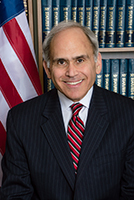
2025 Regular Session Introduced by Jonathan Jacobson

Raises New York auto insurance minimums, boosting coverage for drivers and crash victims; insurers must adjust policies and pricing to meet the new requirements.

REFERRED TO INSURANCE
0
WeVote Research Nonpartisan
Bill Summary · A 5053

Summary of Bill A 5053 (New York)

Overview

  • Bill Number: A 5053
  • Title / Purpose: Increases the minimum insurance coverage required for motor vehicles registered and/or operated within the state of New York.
  • Sponsor: Jonathan Jacobson (primary)
  • Introduced: February 11, 2025
  • Status: Referred to the Insurance Committee (2025-02-11). The bill has one or more identical referrals recorded.

Intent and Policy Objective

  • The bill aims to raise the minimum levels of auto insurance coverage that must be carried by motor vehicles registered or operated in New York. The underlying intent is to enhance financial protection for drivers and accident victims by ensuring higher baseline coverage, potentially reducing gaps in coverage and the likelihood of underinsured/uninsured motorist outcomes.

Key Provisions (as described)

  • The specific numerical increases (e.g., per-person bodily injury limits, per-accident limits, property damage limits, and whether any accompanying coverages such as medical payments or uninsured/underinsured motorist protections are updated) are not provided in the available material.
  • The bill would modify the statutory minimums applicable to motor vehicle liability and/or related required coverages under New York law. The exact provisions, effective dates, transition rules, and any exemptions or phased-in schedules would be contained in the full text of the measure.
  • Enforcement, premium implications, and regulatory oversight are not detailed in the summary provided.

Who Would Be Affected

  • Motorists/Vehicle Owners: Those required to maintain auto insurance would be subject to higher minimum coverage levels.
  • Insurance Carriers: Payers of auto insurance would need to adjust underwriting, pricing, and policy forms to comply with new minimums.
  • State Regulators: The Department of Financial Services (and related agencies) would oversee implementation, filing of rates, and compliance enforcement, in coordination with state vehicle registration and related agencies.

Procedural and Timeline Aspects

  • The bill has been introduced and immediately referred to the Insurance committee (February 11, 2025).
  • No further actions, amendments, or floor votes are documented in the provided record.
  • If advanced, the bill would likely follow a path through committee hearings, potential amendments, and floor consideration before crossing to the other house and, if enacted, signature by the governor. A specific effective date and transition period would appear in the final text.

Related Legislation

  • Related Bills (prior-session): A 7979, A 717, A 948. These may have previously pursued higher minimum coverage standards or related auto insurance reforms.

Practical Considerations and Context

  • Potential impacts include higher insurance premiums for drivers but greater financial protection in crashes.
  • Implementation could involve staged increases or a single effective date; details would be in the final bill language and any accompanying fiscal notes or regulatory impact statements.
  • Readers should watch for the bill text and committee memos to see exact coverage amounts, phased-in schedules, exemptions, and effective dates.

Next Steps for Interested Readers

  • Monitor the NY State Legislature’s website for the full text, amendments, and committee hearings.
  • Review any fiscal impact statements or memos from the Insurance Committee.
  • Compare with the related prior-session bills (A 7979, A 717, A 948) to understand evolving policy approaches.

Compiled from official sources — confirm details with the bill’s official record.

Sign in to ask a question.