

WeVote

Bill

Bill

SB 1488

Income tax, state; creates family caregiver tax credit.

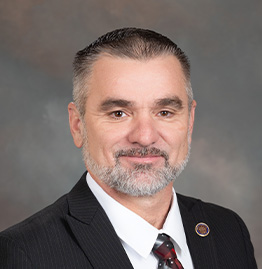
2025 Regular Session Introduced by Luther Cifers

The bill requires private and public plans to cover medically necessary general anesthesia for procedures without time-limit denials, with medical necessity determined by the anest

Passed by indefinitely in Finance and Appropriations (10-Y 5-N)
0
WeVote Research Nonpartisan
Bill Summary · SB 1488

Summary — SB 1488 (General Anesthesia Coverage) — Illinois (2025)

Purpose

SB 1488 requires health insurance plans and certain public employer health programs in Illinois to cover medically necessary general anesthesia — without any preset time-limit — for procedures otherwise covered by the policy. The bill shifts the determination of medical necessity for anesthesia to the attending anesthesiologist or other licensed anesthesia provider.

Key provisions

  • Amends the Illinois Insurance Code and multiple related statutes (including the State Employees Group Insurance Act, Counties Code, Illinois Municipal Code, School Code, Health Maintenance Organization Act, Limited Health Service Organization Act, Voluntary Service Plans Act, and the Illinois Public Aid Code) to add the anesthesia coverage requirement.
  • Requires that any group or individual accident and health insurance policy or managed care plan that is amended, delivered, issued, or renewed on or after January 1, 2026:
    • Provide coverage for medically necessary general anesthesia for any procedure covered by the policy, irrespective of duration.
    • Allow medical necessity to be determined by the attending anesthesiologist or another licensed anesthesia provider.
  • Prohibits insurers or plans from denying payment or reimbursement for anesthesia services solely because the duration of care exceeded a preset time limit.
  • States the coverage mandate is to be integrated into the specified public employer/self-insured health programs (state employees, counties, municipalities, school systems, HMOs, limited health service organizations, voluntary service plans, and public aid/Medicaid programs).

Who is affected

  • Private insurers offering group and individual accident and health policies, and managed care plans (including HMOs).
  • Public/employer-sponsored plans and self-insured programs at the state, county, municipal, and school district levels that are governed by the amended statutes.
  • Medicaid/public aid programs (as the Public Aid Code is amended).
  • Patients receiving covered procedures requiring general anesthesia and the anesthesiologists/licensed anesthesia providers who will make medical necessity determinations.
  • Insurers and plan administrators, who must change coverage language and claims/payment practices to comply.

Timeline and status

  • Introduced by Sen. Doris Turner (filed/received in early 2025; document shows introduction Jan 31, 2025 and receipt by Secretary of the Senate Feb 20, 2025).
  • Applies to policies amended, delivered, issued, or renewed on or after January 1, 2026.
  • Synopsis indicates the bill is effective immediately upon enactment.
  • As provided in the materials, the bill was referred to Assignments (further committee or floor action required).

Potential impacts to note

  • Patients: increased protection against denials for anesthesia when procedures are prolonged for clinical reasons.
  • Providers: empowers anesthesiologists/licensed anesthesia providers to determine anesthesia medical necessity.
  • Payers: may face increased claims or payment obligations when anesthesia durations exceed prior preset limits; will need to update policy language and claims procedures.
  • Public programs: state and local self-insured plans will need to conform to the new coverage requirements.

(For full legal text and affected statutory sections, consult the bill language and the Illinois Insurance Code references included in the bill.)

Compiled from official sources — confirm details with the bill’s official record.

Sign in to ask a question.