

WeVote

Bill

Bill

SB 102

Income tax; excluding certain compensation to certain nonresidents. Effective date.

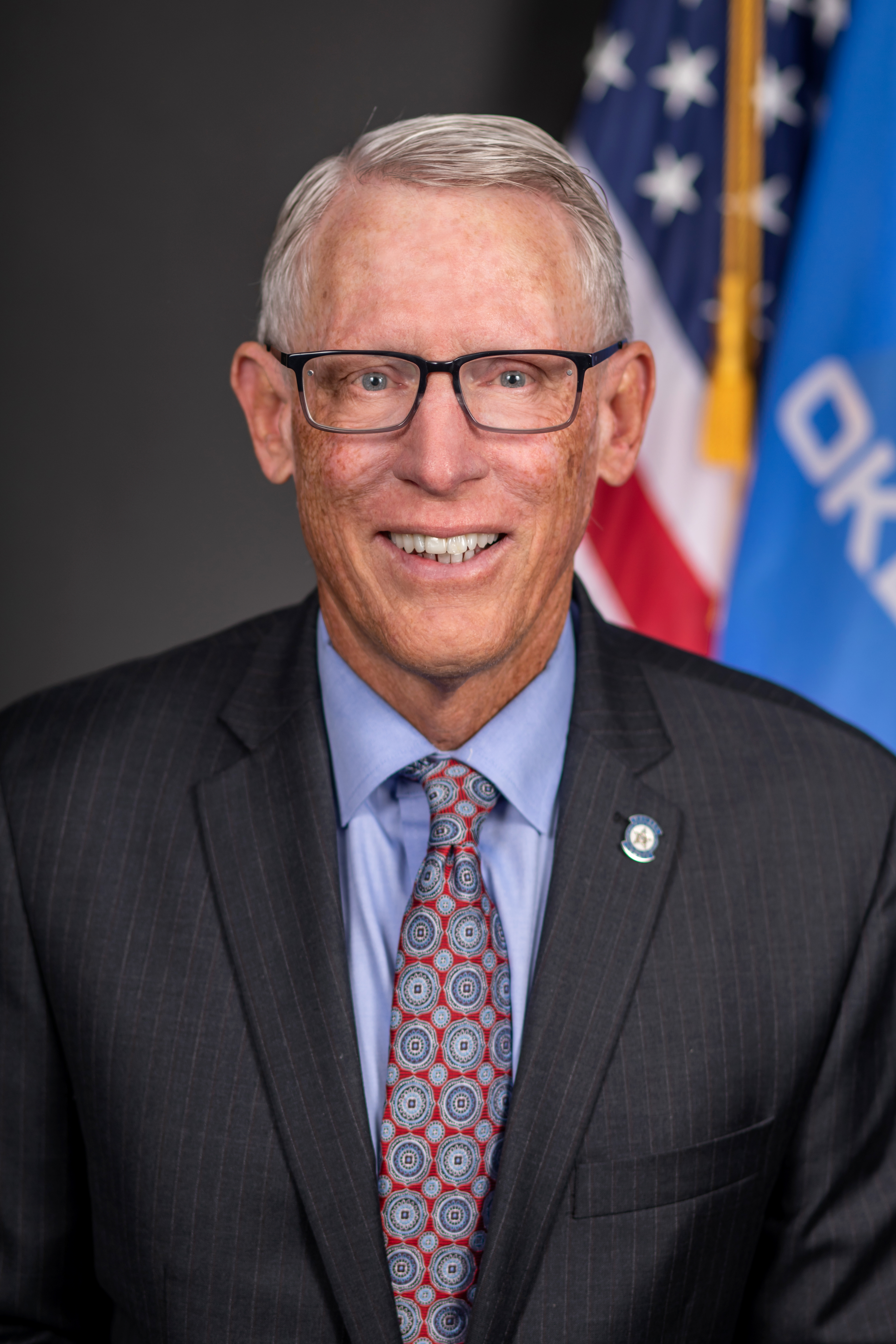
2025 Regular Session Introduced by Dave Rader and 1 co-sponsor

Oklahoma bill would exclude certain nonresident compensation from state income tax, reducing revenue while potentially attracting out-of-state workers and investment.

Second Reading referred to Revenue and Taxation Committee then to Appropriations Committee
0
WeVote Research Nonpartisan
Bill Summary · SB 102

Legislative bill overview

SB 102 proposes to exclude certain compensation paid to nonresidents from Oklahoma's state income tax. The bill is currently in early legislative stages, having passed first reading and been referred to the Revenue and Taxation Committee and Appropriations Committee for review. The measure aims to modify how Oklahoma taxes income earned by out-of-state residents.

Why is this important

This change could affect Oklahoma's tax revenue and its competitiveness in attracting nonresident workers or remote employees. It may also impact how businesses structure compensation for out-of-state contractors, employees, or executives. The fiscal implications will be significant if substantial compensation currently taxed by Oklahoma becomes excluded.

Potential points of contention

  • Revenue impact: Excluding nonresident compensation reduces state tax revenue, requiring either spending cuts or tax adjustments elsewhere
  • Fairness and equity: Oklahoma residents may face higher tax burdens if nonresidents receive preferential tax treatment on similar income
  • Definition ambiguity: The bill's language regarding "certain compensation" and eligibility criteria will determine actual scope—unclear definitions could create enforcement challenges or unintended consequences
  • Economic development versus fiscal responsibility: While potentially attracting talent and investment, the trade-off between foregone revenue and economic benefits remains undefined

Compiled from official sources — confirm details with the bill’s official record.

Sign in to ask a question.