

WeVote

Bill

Bill

SB 1394

Income tax credit; providing credit equal to OHFA down payment and closing cost assistance. Effective date.

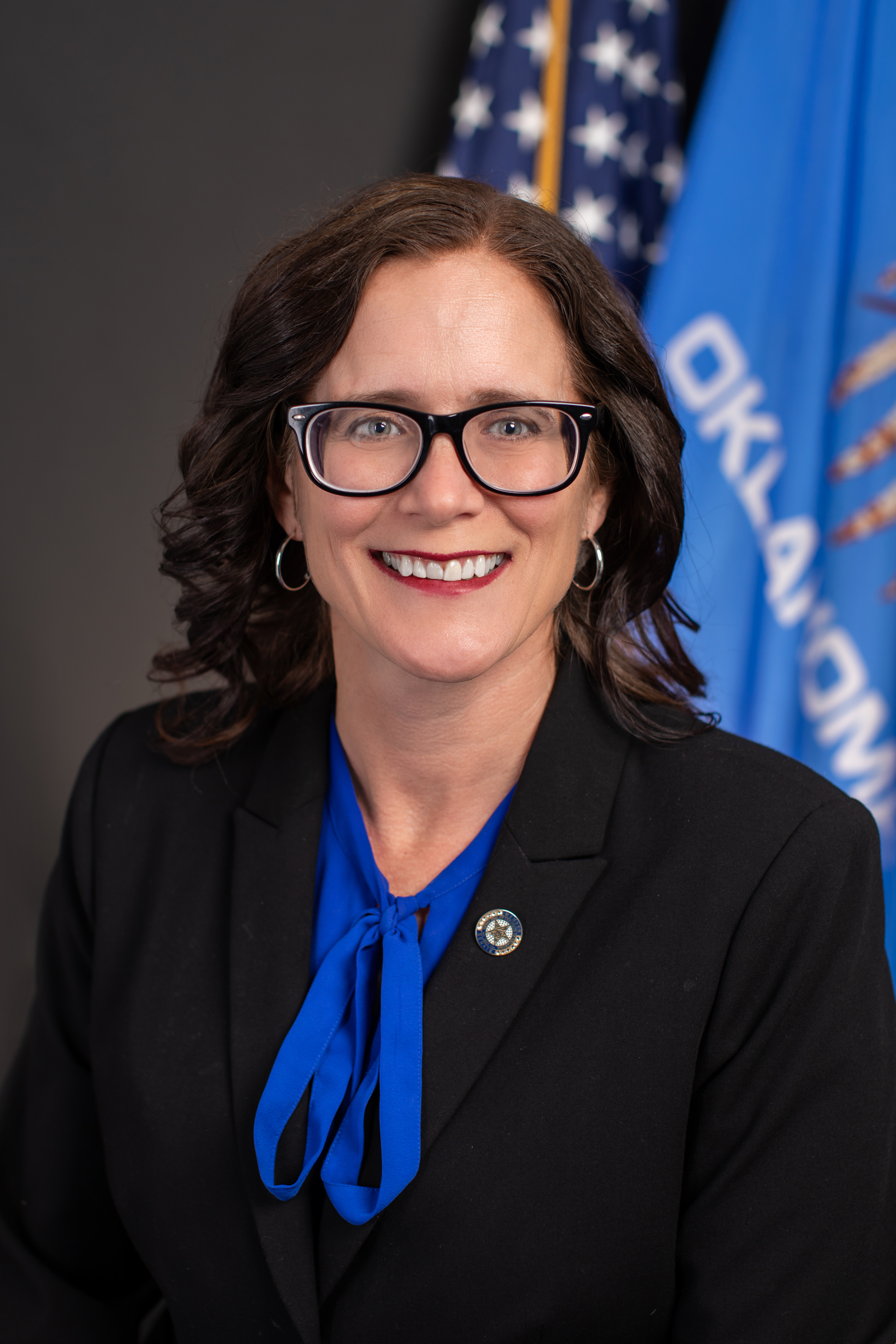
2026 Regular Session Introduced by Julia Kirt

Illinois SB 1394 shifts funding and operation of household hazardous waste collection from government to manufacturers, establishing a statewide, funded stewardship program.

Second Reading referred to Revenue and Taxation Committee then to Appropriations Committee
0
WeVote Research Nonpartisan
Bill Summary · SB 1394

SB 1394 — Household Hazardous Waste Stewardship Act (Illinois) — Summary

Status: Introduced 1/29/2025 (Sen. David Koehler); co‑sponsors include Mary Edly‑Allen, Paul Faraci, Adriane Johnson. Companion: HB 1075.

Purpose

Establish a producer‑funded, statewide stewardship program to collect and ensure environmentally sound management of household hazardous products. The bill shifts primary responsibility for financing and operating collection from state and local governments to manufacturers of covered products.

Key provisions

  • Creates the Household Hazardous Waste Stewardship Act and requires manufacturers who sell covered products in Illinois to implement a stewardship program beginning January 1, 2027.
  • Requires manufacturers and any stewardship organization(s) to register with the Illinois Environmental Protection Agency (Agency) by April 1, 2026, and annually thereafter.
  • Describes duties for manufacturers, stewardship organizations, retailers, and collection sites (permitted permanent facilities and one‑day collection events), including system design, collection, transport, and final disposition.
  • Establishes minimum contents for stewardship plans and gives the Agency authority to review and approve plans.
  • Requires a stewardship organization to pay the Agency an annual fee of $200,000 (to be split if more than one stewardship organization exists).
  • Imposes reporting requirements on manufacturers/stewardship organizations and grants the Agency rulemaking, oversight, and enforcement authority (civil and criminal penalties provided).
  • Provides limited antitrust immunity for stewardship organizations acting under the Act.
  • Allows for “premium collection services” (for‑fee collection options).

Definitions and scope

  • “Covered product” is defined as household retail products (in their retail receptacle) that meet RCRA hazardous waste criteria, certain DOT hazardous material classes, or require FIFRA registration. Examples mentioned in the bill include aerosols, cleaners, pesticides, fluorescent lamps, pool chemicals, and automotive fluids.
  • The bill lists numerous exclusions (e.g., products covered under other stewardship laws such as batteries or paint, drugs, medical devices, certain agricultural commercial products, LPG containers, fire extinguishers, oil filters, ionizing smoke detectors, infectious medical waste, ammunition, and others).
  • Note: the bill text as introduced contains internal inconsistencies regarding inclusion/exclusion of automotive fluids, used oil and antifreeze; these will likely be resolved in Agency rulemaking or future amendments.

Who is affected

  • Primary: manufacturers that sell covered products in Illinois and any stewardship organizations they form or join.
  • Secondary: retailers, collection site operators, local governments (which may see reduced program costs), and household consumers (potentially improved access to collection; possible indirect cost effects).

Timeline and procedural notes

  • Registration: by April 1, 2026 (and annually).
  • Stewardship programs must be implemented by January 1, 2027.
  • Agency must approve stewardship plans; stewardship organizations pay an annual $200,000 fee.

Potential impacts

  • Shifts financial and operational burden of household hazardous waste collection from public entities to manufacturers.
  • Could produce a coordinated, statewide permanent collection network and consistent management standards.
  • May raise administrative and compliance costs for manufacturers, and potentially influence product stewardship fees or product design.

Note: The provided document also contains unrelated legislative text from other states (Arizona, Hawaii); this summary addresses the Illinois SB 1394 portion.

Compiled from official sources — confirm details with the bill’s official record.

Sign in to ask a question.