

WeVote

Bill

Bill

HB 595

Income Tax - Credit for Physician Preceptors in Areas With Health Care Workforce Shortages - Alterations

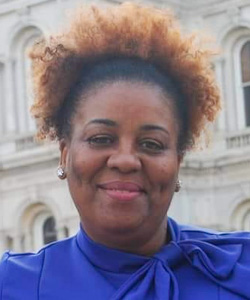
2026 Regular Session Introduced by Jackie Addison and 7 co-sponsors

Maryland offers income tax credits to physicians mentoring medical trainees in healthcare-shortage regions to increase doctor supply in underserved areas.

Approved by the Governor - Chapter 200
0
WeVote Research Nonpartisan
Bill Summary · HB 595

Legislative bill overview

HB 595 establishes an income tax credit for licensed physicians who serve as preceptors (mentors/trainers) for medical students and residents in Maryland regions experiencing healthcare workforce shortages. The credit aims to incentivize experienced doctors to take on teaching responsibilities in underserved areas, potentially increasing the supply of healthcare professionals in those communities.

Why is this important

Healthcare workforce shortages in rural and underserved urban areas create access barriers for patients seeking medical care. By using tax incentives to encourage physicians to mentor the next generation in these regions, the bill attempts to address both the immediate shortage and build long-term capacity by training new doctors where they're needed most.

Potential points of contention

  • Cost to state revenue: Tax credits reduce general fund revenue; the fiscal impact depends on credit amount and participation rates, which may not be fully quantified yet
  • Definitional boundaries: Questions about which areas qualify as having "shortages" and how that's measured may create disputes or leave gaps in coverage
  • Effectiveness uncertainty: No guarantee that tax credits will meaningfully increase preceptor participation or that mentored physicians will remain in underserved areas after training
  • Equity concerns: The credit benefits individual physicians but may not directly address systemic barriers (student debt, low Medicaid reimbursement, community infrastructure) that drive shortages

Compiled from official sources — confirm details with the bill’s official record.

Sign in to ask a question.