

WeVote

Bill

Bill

SB 1996

Income tax; creating the Children's Promise Act; providing tax credit for charitable contributions to certain organizations; noncodification; codification. Effective date.

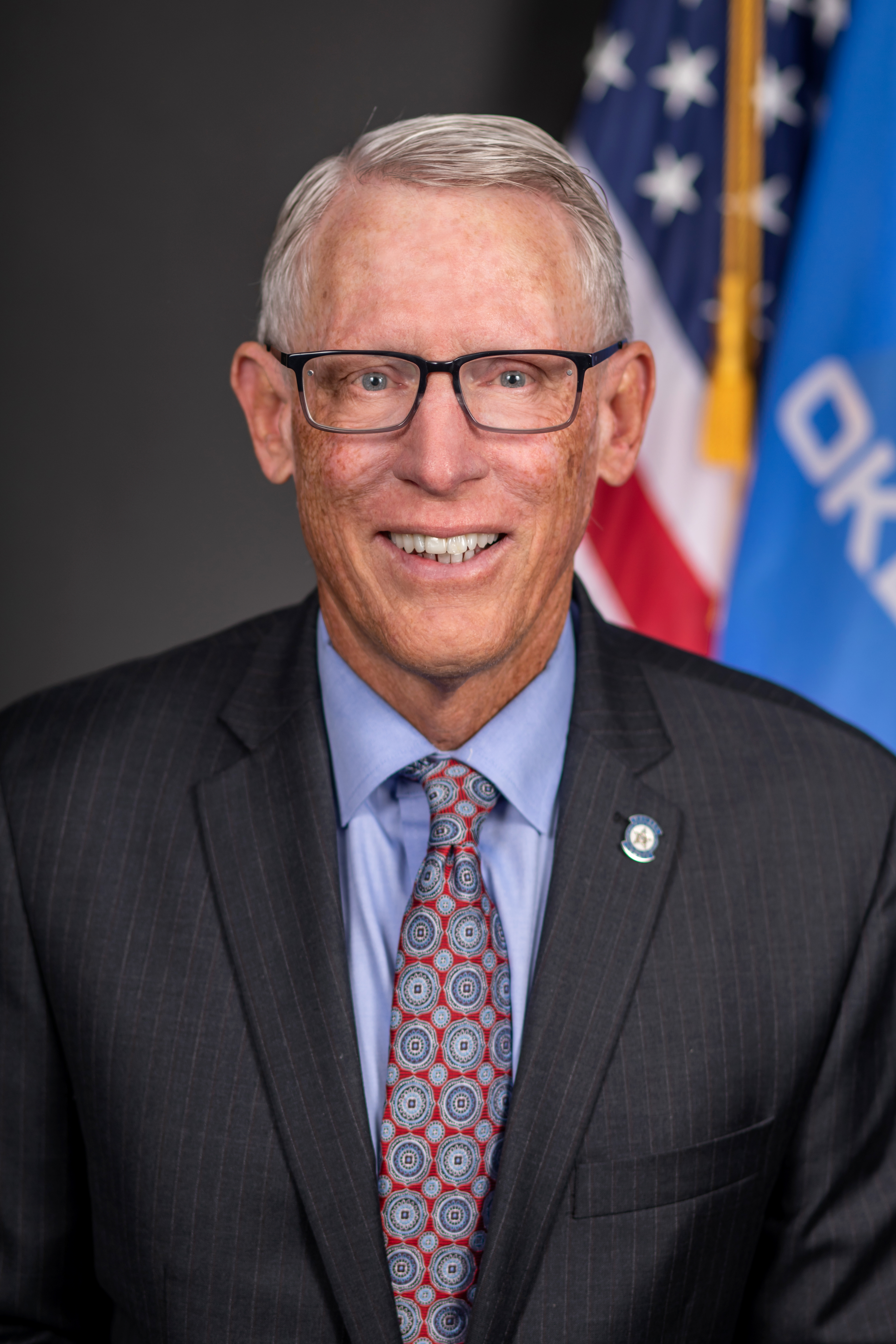
2026 Regular Session Introduced by Dave Rader

Oklahoma bill creates income tax credit for charitable donations to child-serving organizations, reducing state revenue to incentivize private philanthropy.

Second Reading referred to Revenue and Taxation Committee then to Appropriations Committee
0
WeVote Research Nonpartisan
Bill Summary · SB 1996

Legislative bill overview

SB 1996, the Children's Promise Act, would create an income tax credit in Oklahoma for charitable contributions made to organizations serving children. The bill appears to establish a new tax incentive mechanism while undergoing committee review for revenue and budgetary implications.

Why is this important

Tax credits directly reduce state income tax revenue while incentivizing private charitable giving to child-focused organizations. The fiscal impact depends on credit structure—factors like credit percentage, contribution caps, and eligible organization definitions will determine how much state revenue is foregone and which charitable sectors benefit most.

Potential points of contention

  • Revenue impact uncertainty: Without seeing the actual credit provisions, the cost to the state budget is unknown; Oklahoma may face pressure to offset lost revenue elsewhere
  • Definition of eligible organizations: Disagreement likely over which organizations qualify (educational, health, welfare, etc.), potentially favoring certain sectors over others
  • Income inequality effects: Tax credits benefit taxpayers with sufficient liability; high-income earners receive larger absolute benefits than middle/lower-income donors with smaller tax obligations
  • Charitable giving motivation: Debate over whether tax incentives effectively increase total charitable giving or merely subsidize donations that would occur anyway

Compiled from official sources — confirm details with the bill’s official record.

Sign in to ask a question.