SB 3865 (Illinois, 104th General Assembly) – Summary
Overview
- Jurisdiction: Illinois
- Session: 104th General Assembly
- Title: INC TX-WHOLESOME FOOD
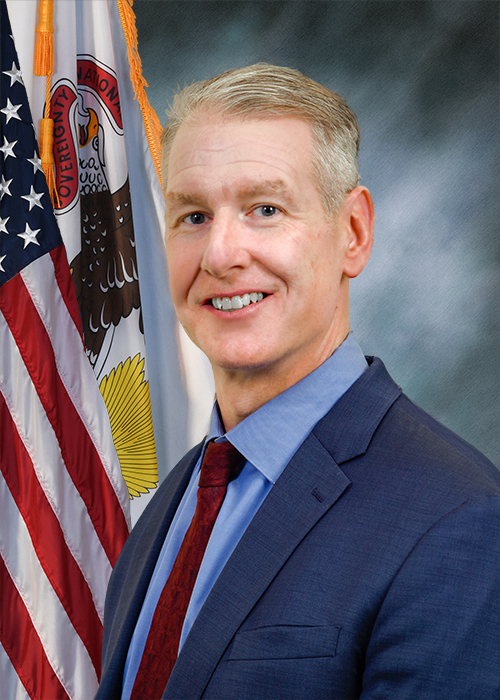
- Primary sponsor: Sen. John F. Curran (co-sponsor)
- Current status: Filed Feb 6, 2026; assigned to Revenue (Feb 24, 2026); Rules deadlines established (Mar 13, 2026; May 15, 2026)
Purpose and intent
- The bill appears to address taxation or revenue provisions related to a program or category labeled “WHOLESOME FOOD” under Illinois’ tax/treasury framework, managed within the Illinois Department of Revenue or a related tax administration context. The exact policy objective is not spelled out in the available excerpt, but the label suggests incentives, exemptions, or specifications intended to promote healthier food production, distribution, or consumption.
Key provisions and changes (as implied by title and revenue assignment)
- Nature of provision: Tax/revenue legislation, potentially creating, modifying, or clarifying a tax incentive, credit, exemption, or reporting requirement connected to “WHolesome FOOD” initiatives or products.
- Scope: Likely involves designation of certain foods, producers, distributors, or retailers that qualify for favorable tax treatment or compliance requirements.
- Administrative details: Placement in Revenue committee indicates Treasury/Tax-related mechanics, including definitions, eligibility criteria, computation of any credit or exemption, and filing/verification requirements.
- Notable elements to expect (based on typical tax-advancement bills):
- Definitions of “Wholesome Food” (e.g., nutritional standards, sourcing requirements, organic or local criteria).
- Eligibility criteria for taxpayers or products to receive the benefit.
- Amounts, rates, or caps (e.g., percentage credit, maximum credit per year, or per item).
- Reporting, documentation, and audit provisions to ensure compliance.
- Sunset or renewal provisions to evaluate effectiveness over time.
- Interaction with existing Illinois tax code (references to sections, credits, or exemptions).
Who would be affected
- Taxpayers seeking the Wholesome Food designation or benefit (e.g., food manufacturers, retailers, distributors, farmers, or cooperatives) that meet the defined criteria.
- Illinois Department of Revenue (IDOR) for administration, verification, and enforcement.
- Potential indirect beneficiaries: consumers if the policy encourages healthier or locally sourced food access, and local economies tied to qualifying producers.
Procedural and timeline considerations
- Committee path: Assigned to Revenue; Rules deadlines set:
- April 24, 2026: Rule 2-10 Committee Deadline
- May 15, 2026: Third Reading Deadline
- As with many tax bills, the final shape will depend on amendments in committee and floor discussions, including financial impact, implementation timeline, and any required rulemaking.
Notes
- The full text is not displayed here; the above reflects typical features of a revenue-related bill with a program label like “Wholesome Food.” For a precise understanding, the full bill text should be reviewed to identify explicit definitions, eligibility, tax effects, fiscal impact, and implementation dates.