

WeVote

Bill

Bill

HR 6651

Improving the Federal Response to Organized Retail Crime Act of 2025

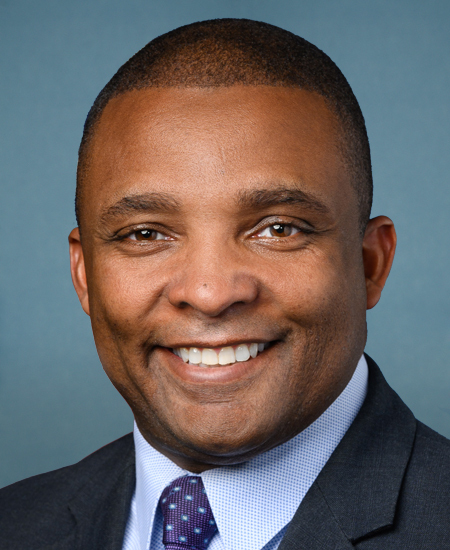
119th Congress Introduced by Don Davis and 3 co-sponsors

Direct federal agencies must create and report a coordinated strategy to improve information sharing and cooperation with state/local law enforcement and retailers to fight organiz

Introduced in House
0
WeVote Research Nonpartisan
Bill Summary · HR 6651

Overview

  • Bill: HR 6651, “Improving the Federal Response to Organized Retail Crime Act of 2025”
  • Purpose: Direct federal agency heads to develop a coordinated strategy to improve federal investigations of organized retail crime (ORC) and enhance cooperation with state/local law enforcement and the retail sector.
  • Status: Introduced in the 119th Congress on December 11, 2025; referred to the House Judiciary Committee.
  • Principal sponsors: Rep. Kim (with multiple co-sponsors including Jimmy Panetta, Josh Gottheimer, Don Davis, Young Kim).

What the bill aims to do

  • Establish a framework for interagency coordination to combat organized retail crime at the federal level.
  • Promote improved information sharing among federal agencies, state/local law enforcement, and the retail industry.
  • Enhance collaboration between law enforcement and private sector/retail crime task forces to deter and prosecute ORC.

Key provisions

  • Section 2(a) General Mandate:
    • Within 180 days of enactment, the Attorney General, the Secretary of Homeland Security, the Postmaster General, and heads of other relevant agencies must develop a strategy on how to: 1) Improve information sharing among key federal entities (FBI, CBP, DHS investigations, Secret Service, USPS) and others regarding ORC networks. 2) Assist state and local law enforcement in compiling materials and evidence needed for ORC prosecutions. 3) Increase cooperation and information sharing between federal agencies and the retail industry, as well as state retail crime task forces and other retail crime groups.
  • Section 2(b) Reporting Requirement:
    • Within 180 days, the AG, DHS Secretary, Postmaster General, and heads of relevant agencies must submit a joint report to specified committees detailing the strategy developed under subsection (a).
  • Section 2(c) Comptroller General Review:
    • Within 1 year, the Comptroller General must publish a report assessing coordination between the private sector and law enforcement in deterring and investigating ORC.
  • Section 2(d) Definitions:
    • ORGANI ZED RETAIL CRIME: Coordinated illegal acquisition of retail goods through theft, embezzlement, fraud, or other illegal means for sale/distribution in interstate commerce.
    • ORC NETWORK: A criminal network engaging in ORC.
    • RELEVANT AGENCY: Any agency designated by the AG and DHS Secretary as having a role in ORC information sharing/investigation.
    • RELEVANT COMMITTEES: House and Senate Judiciary, Homeland Security, Oversight and Government Reform (House); Homeland Security and Governmental Affairs (Senate).

Who would be affected

  • Federal agencies with investigative or enforcement roles in ORC (e.g., FBI, DHS components, Secret Service, USPS, CBP, etc.).
  • State and local law enforcement that collaborate with federal partners on ORC prosecutions.
  • Retail industry stakeholders and state/county retail crime task forces that interact with federal investigators.
  • Congressional committees overseeing judiciary, homeland security, and government oversight.

Procedural and timeline aspects

  • 180-day deadline to develop and submit a joint interagency strategy.
  • 180-day deadline to file a joint strategy report to the relevant congressional committees.
  • 1-year deadline for the Comptroller General to publish a coordination/impact report on private sector–law enforcement collaboration.
  • Legislation provides definitions to standardize what constitutes ORC and the scope of “relevant agencies.”

Potential impact

  • Strengthened federal interagency coordination on ORC networks.
  • Improved evidence-sharing and strategic planning for prosecutions.
  • Enhanced collaboration with the private sector and local task forces, potentially leading to more effective deterrence and disruption of ORC networks.
  • Establishes a formal reporting and oversight framework to monitor progress and impact.

Compiled from official sources — confirm details with the bill’s official record.

Sign in to ask a question.