

WeVote

Bill

Bill

A 2440

Imposes certain requirements on institutions housing a defendant due to mental disease or defect prior to the discharge of such defendant

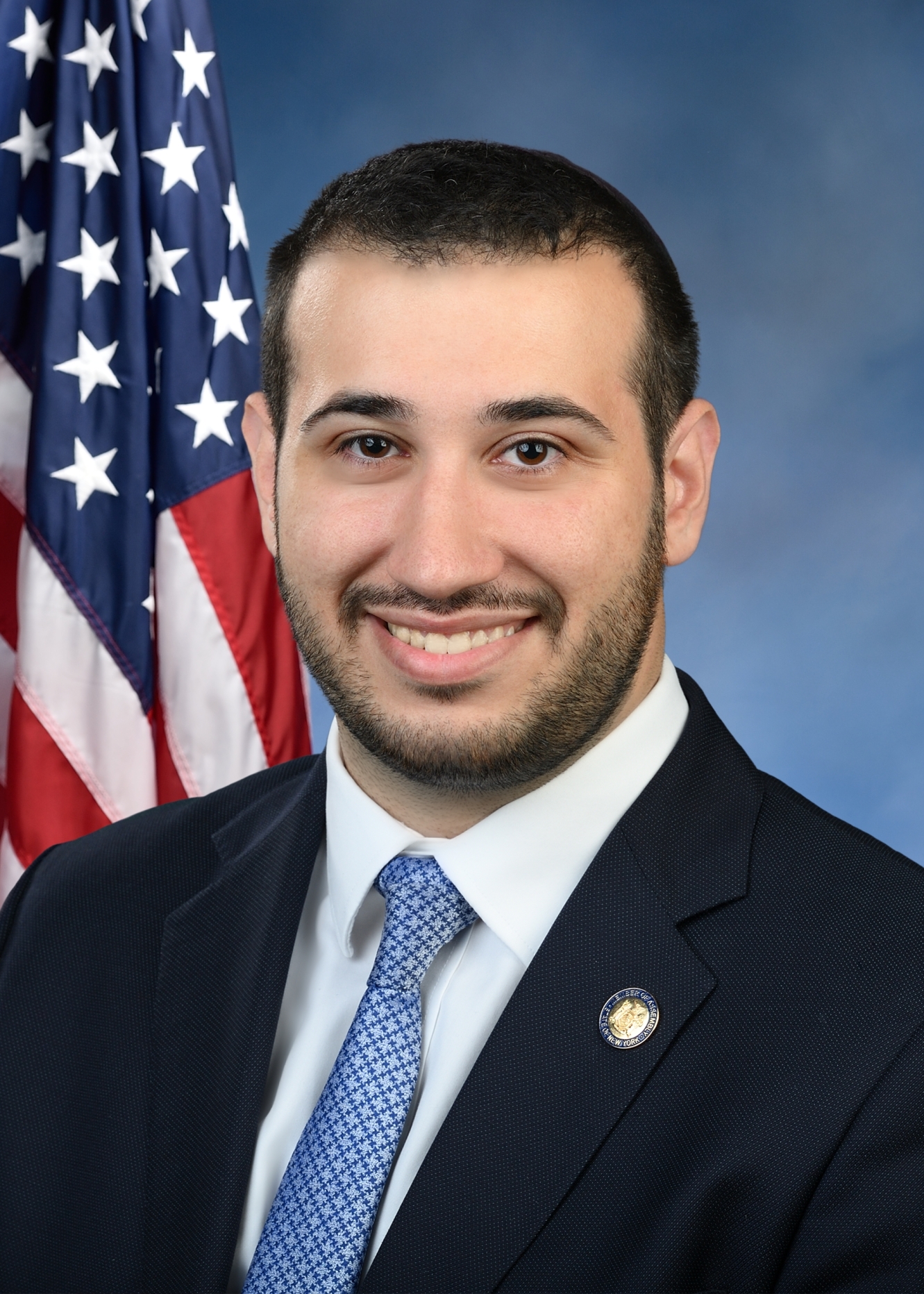
2025 Regular Session Introduced by Sam Berger and 18 co-sponsors

Requires psychiatric institutions to establish discharge protocols for mentally ill acquitted defendants, including assessments and community service coordination before release.

SUBSTITUTED BY S1744A
0
WeVote Research Nonpartisan
Bill Summary · A 2440

Legislative bill overview

Bill A 2440 establishes specific requirements that institutions must follow before discharging defendants who were found not guilty by reason of mental disease or defect. The bill sets standards for assessment, planning, and coordination between psychiatric institutions and community services to facilitate safer transitions. It has been substituted by Senate bill S1744A, indicating significant amendments during the legislative process.

Why is this important

Defendants acquitted due to mental illness represent a vulnerable population requiring careful discharge planning to prevent harm to themselves or others and reduce recidivism. Inadequate discharge procedures can result in people with serious mental health needs being released without necessary support systems, community resources, or continuity of care. This bill attempts to establish a standardized, protective framework for one of the criminal justice system's most sensitive populations.

Potential points of contention

  • Civil liberties vs. public safety balance: Requirements may extend institutional control over individuals found not guilty, raising questions about indefinite detention or overly restrictive release conditions
  • Resource and cost implications: Institutions would bear compliance costs for assessments, care coordination, and community partnership development during tight state budgets
  • Definition and scope ambiguity: The bill's specific requirements are not detailed in this summary, making it unclear whether standards are reasonable or unnecessarily burdensome on mental health providers

Compiled from official sources — confirm details with the bill’s official record.

Sign in to ask a question.