

WeVote

Bill

Bill

SF 5299

Immigration enforcement provisions modifications

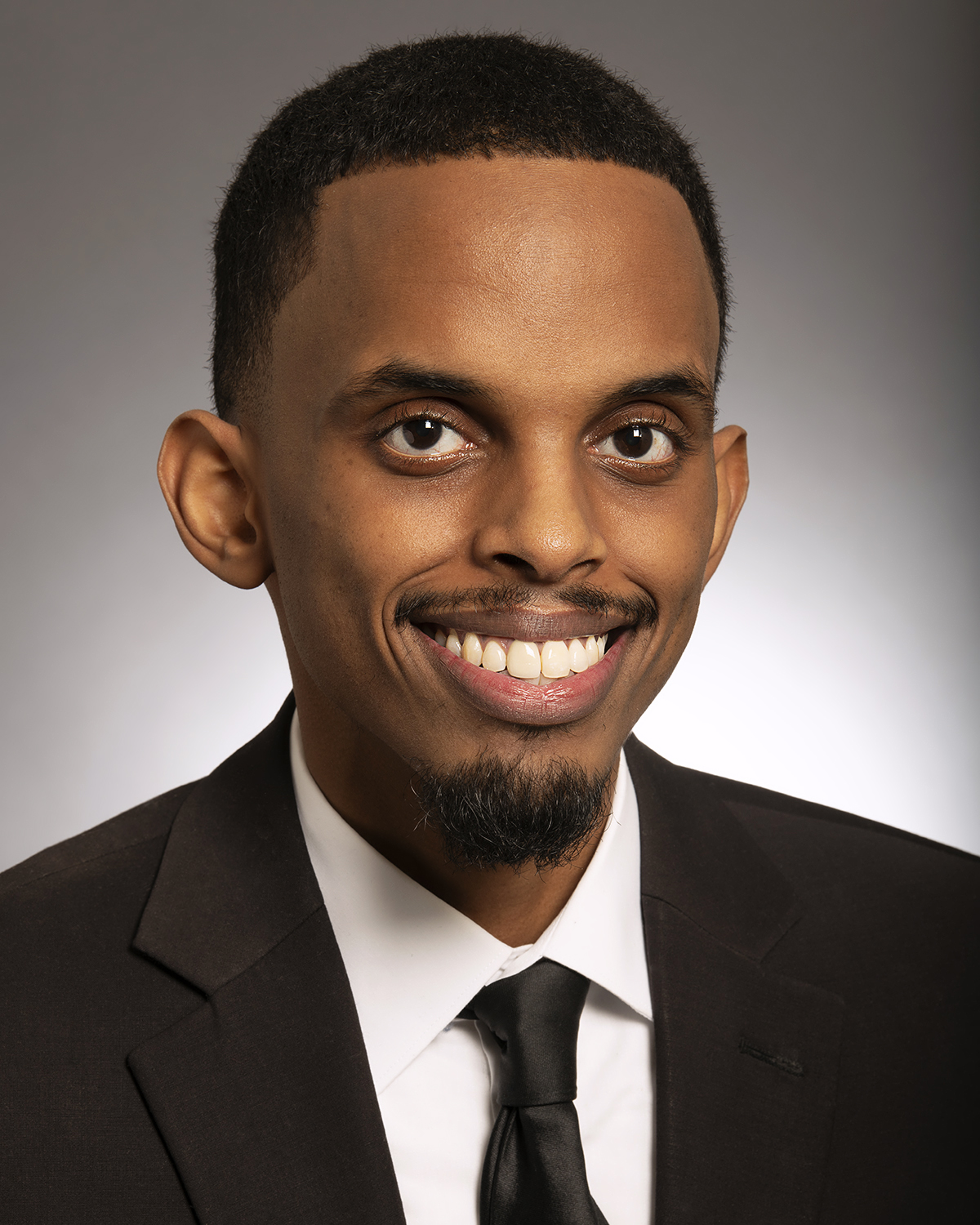
2025-2026 Regular Session Introduced by Omar Fateh

The bill restricts civil immigration enforcement at sensitive settings (courts, health care, schools, child care, campuses) and creates new civil rights remedies for violations.

Referred to Judiciary and Public Safety
0
WeVote Research Nonpartisan
Bill Summary · SF 5299

Summary of SF 5299 (Immigration enforcement provisions modifications)

SF 5299 is a Minnesota bill proposed for the 2025-2026 session that seeks to constrain immigration enforcement activities by limiting law enforcement access to certain settings, expand civil remedies for violations, and establish new policies and protections in health care, education, child care, and other public settings. It also creates broader civil action avenues for rights violations and expands use-of-force investigation provisions.

Primary purpose and intent

  • To restrict civil immigration enforcement access in sensitive places (courthouses, health care facilities, schools, child care centers, and postsecondary campuses) and provide clear civil remedies for individuals harmed by improper enforcement.
  • To elevate privacy and rights protections for students, patients, and families, particularly around immigration status data and disclosures.
  • To formalize institutional policies and training requirements to ensure staff follow defined procedures when faced with immigration enforcement requests.

Key provisions and changes

  • Article 1: Court access

    • Creates [480C.01]–[480C.04] establishing definitions and prohibiting civil arrests at certain court-connected settings.
    • Civil arrest is limited to specified scenarios; arrests require judicial warrants or non-court-authorized actions are restricted.
    • Civil rights remedies include damages (including up to $10,000 in statutory damages) for wrongful civil arrest near court venues.
    • Immunity for judicial branch employees acting in good faith.
  • Article 2: Health care facilities

    • Defines health care facility-related terms and limits access by law enforcement agents engaged in civil immigration enforcement.
    • Requires health care facilities to verify agent identity and restrict access to nonpublic areas without a valid judicial warrant.
    • Requires policies on presence of agents, release of patient information, and posting immigration-rights information.
    • By Dec 31, 2026, facilities must adopt comprehensive policies and training, submit policies to the commissioner, and establish procedures for handling immigration enforcement actions, including notifying designated contacts.
  • Article 3: Educational institutions

    • Amends data privacy provisions to protect citizenship or immigration status information (no disclosures for civil immigration enforcement absent judicial order or federal compliance).
    • Schools must not deny free public education or activities based on immigration status.
    • By Dec 31, 2026, schools must implement procedures for reviewing entry requests by law enforcement to schools, monitor interactions, and notify parents/guardians when appropriate.
    • Requires notifying students of rights and providing standardized informational language about immigration enforcement policies.
  • Article 4: Child care centers

    • Limits on access by immigration enforcement agents; requires notification to license holders and consent protocols.
    • Requires policies by Dec 31, 2026 on interactions with agents, verification, and disclosures to parents/guardians.
  • Article 5: Civil actions

    • Establishes a civil action framework for violations of constitutional rights by state or federal actors, with damages and attorney fees available to prevailing plaintiffs.
    • Adds a civil action provision under 609.662 for failure to investigate or render aid with certain exceptions.
  • Article 6: Miscellaneous provisions

    • Expands definitions related to federal agents and uses of force investigations, including retroactive applicability to certain officer-involved deaths.
    • Clarifies concealment of identity offenses and related exceptions for undercover operations.

Affected parties and impacts

  • Individuals interacting with courts, health care facilities, schools, and child care centers, particularly students, patients, parents, and guardians.
  • Public and private postsecondary institutions, requiring new campus-safety protocols and information-sharing practices.
  • Health care facilities and staff, with obligations to protect patient information and limit unauthorized access.
  • Law enforcement agencies conducting civil immigration enforcement, facing procedural constraints and required notification and policy obligations.
  • Courts and the judiciary receive enhanced protections and potential civil remedies for wrongful civil arrests.

Procedural and timeline elements

  • The bill sets specific deadlines:
    • By December 31, 2026: development and implementation of policies and procedures across health care facilities, educational institutions, postsecondary institutions, and child care programs; mandatory training; submission of policies to the commissioner; and provision of immigrant-rights information to the public.
  • Effective dates generally follow enactment, with several sections explicitly stated to become effective the day after final enactment.

Sponsor: Co-sponsor Omar Fateh
Referred to: Judiciary and Public Safety

Note: This summary reflects the bill’s described provisions and aims to present its substantive content and potential impact in accessible terms.

Compiled from official sources — confirm details with the bill’s official record.

Sign in to ask a question.