Summary of SB 3897 (Illinois, 104th General Assembly)
Title: IDFPR-VARIOUS LICENSES
This summary provides an overview of the bill’s purpose, key provisions, who is affected, and notable procedural/timeline aspects based on the official action history and the bill’s title.
1) Purpose and Intent
- The bill appears to be a measures package related to the Illinois Department of Financial and Professional Regulation (IDFPR) and various professional licenses.
- The overarching intent is to modify, expand, or clarify licensure requirements and regulatory authority for multiple professions under IDFPR’s jurisdiction, streamlining processes or updating standards to reflect current practice.
2) Key Provisions and Changes (What the Bill Would Do)
Note: The available information emphasizes that the bill concerns “VARIOUS LICENSES” overseen by IDFPR. Specific provision text is not provided in the outline, but the bill has been debated and amended through multiple Senate amendments and readings. Based on typical IDFPR-licensing bills, expected types of changes may include:
- Modifying licensing requirements (education, training, examinations, or experience) for multiple professions.
- Adjusting renewal periods, continuing education (CE) requirements, or license maintenance provisions.
- Expanding or clarifying scope of practice for certain licensed professions.
- Introducing or adjusting administrative processes (licensing timelines, fee schedules, verification, or application procedures).
- Implementing compliance and disciplinary provisions, including penalties or enforcement mechanisms.
- Creating or updating reciprocity or endorsement processes for out-of-state/licensure mobility.
- Addressing temporary or emergency licensing provisions during shortages or public health considerations.
Because the bill covers “VARIOUS LICENSES,” it likely bundles several distinct regulatory adjustments rather than a single profession-wide reform.
3) Who Would Be Affected
- Licensed professionals across multiple fields regulated by IDFPR (e.g., cosmetology, medical professions, nursing, engineering techs, real estate, or other licensed trades).
- Applicants seeking initial licensure, license renewals, or reinstatements.
- Employers and professional boards that rely on IDFPR approvals and disciplinary actions.
- Consumers/patients/clients who rely on licensed professionals for safety, quality, and regulatory compliance.
4) Procedural and Timeline Aspects
- Bill Number: SB 3897
- Session: 104th Illinois General Assembly
- Initial Action: Filed and assigned to committees in February 2026
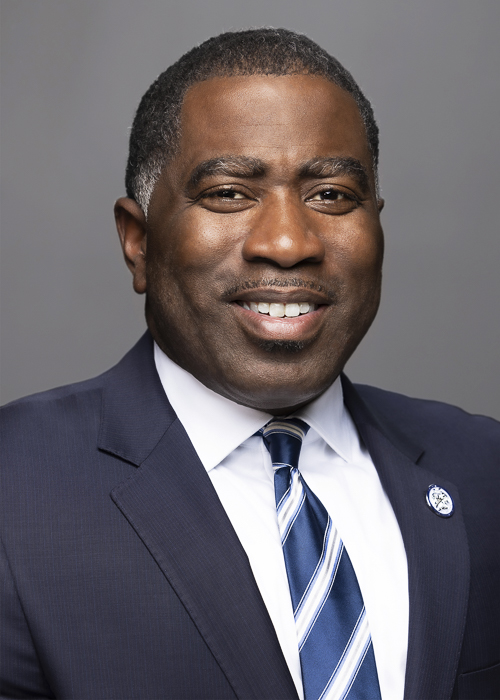
- Primary Sponsor: Rep. Marcus Evans (House) with Senate sponsor Suzy Glowiak Hilton (co-sponsor) and additional sponsorship by Glowiak Hilton
- Key Committee Timeline:
- 02/06/2026: First Reading; referred to Assignments
- 02/24/2026: Assigned to Licensed Activities (Senate) and later to related committee
- 03/04/2026 – 03/11/2026: Senate committee work, amendments filed and adopted
- 03/11/2026: Do Pass as Amended by the Senate (Licensed Activities) with a favorable report
- 04/14–04/16/2026: Senate floor amendments adopted; third reading and passage
- 04/20–04/27/2026: House actions include first reading, referral to Rules, and assignment to the Labor & Commerce Committee
- Status: Passed the Senate (3rd Reading with amendments) and moved to the House for consideration as of April 27, 2026.
5) Notable Procedural Points
- The bill has undergone multiple Senate Floor Amendments (No. 2 and No. 3) and at least one amendment filed by Sen. Glowiak Hilton, reflecting iterative changes to licensing provisions.
- The House assigned it to the Labor & Commerce Committee, indicating continued consideration of labor/commerce implications of licensing.
- The bill’s path shows a typical bicameral process with amendments and potential reconciliations between Senate and House versions.
6) Practical Implications
- For licensed professionals: Potential changes to eligibility criteria, renewal requirements, scope of practice, or disciplinary processes could affect licensure timelines and compliance costs.
- For applicants: Possible adjustments to application procedures, exam requirements, or reciprocity rules.
- For regulatory bodies: May necessitate updates to rulemaking, fee schedules, and IT systems for licensure tracking.
If you’d like, I can incorporate the exact text of specific provisions once you provide the bill’s filing copy or a summary of enacted amendments to highlight concrete changes (e.g., exact license types affected, fee amounts, renewal periods, and effective dates).