

WeVote

Bill

Bill

HR 7649

Humanitarian Theft Enforcement Act

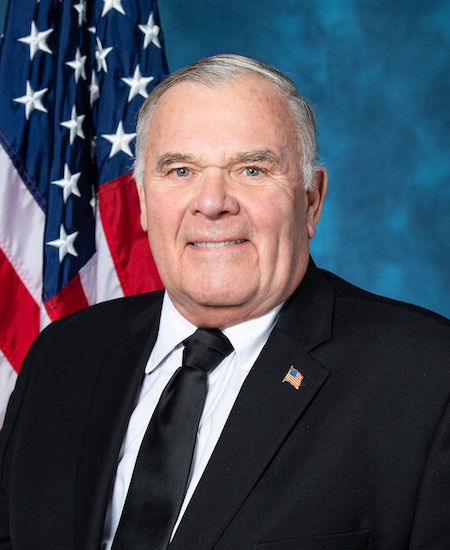
119th Congress Introduced by Jim Baird and 1 co-sponsor

The bill makes foreign individuals or entities liable for the value of U.S. humanitarian aid diverted or destroyed, with recovery and possible waivers in the national interest.

Committee Consideration and Mark-up Session Held
0
WeVote Research Nonpartisan
Bill Summary · HR 7649

Overview

HR 7649, the Humanitarian Theft Enforcement Act, introduced in the 119th Congress, seeks to hold foreign individuals or entities financially liable to the United States for unauthorized diversion or destruction of U.S. humanitarian assistance. The bill would authorize liability for the value of the diverted or destroyed aid, establish a process for recovery, permit fund credits and transfers to appropriate government accounts, and allow a waiver in the national interest.

Main purpose and intent

  • To deter and address the unauthorized diversion or destruction of United States humanitarian assistance, including aid provided via international organizations.
  • To establish a mechanism for accountability by making responsible foreign persons or entities liable for the value of lost or diverted aid and enabling recovery of those funds.

Key provisions

  • Liability (Section 2(a))
    • Any foreign person or entity that the Secretary of State determines is responsible for unauthorized diversion or destruction of U.S. humanitarian assistance (including aid funded through international organizations) is liable to the United States for the value of the aid that was diverted or destroyed.
  • Recovery (Section 2(b))
    • After determining liability, the Secretary of State should take appropriate steps to recover the value of the misused assistance from the liable foreign party.
  • Crediting of Funds (Section 2(c))
    • Funds recovered under this section may be credited to an appropriate account within the Department of State and shall remain available until expended.
    • The Secretary may transfer recovered funds to the appropriate account of another federal department or agency if that agency funded the diverted/destroyed assistance.
  • Waiver (Section 2(d))
    • The Secretary of State may waive liability if the waiver is determined to be in the national interest.

Who/what is affected

  • Foreign individuals and entities found by the Secretary of State to be responsible for unauthorized diversion or destruction of U.S. humanitarian assistance.
  • U.S. government accounts, particularly those within the Department of State and any other federal agency that provided the diverted aid.
  • International organizations receiving U.S. humanitarian aid could be indirectly affected, as aid channeled through them would be subject to liability determinations.

Procedural and timeline aspects

  • Status: Introduced February 23, 2026; referred to the House Committee on Foreign Affairs. Mark-up occurred March 26, 2026, with an affirmative report (Nature of a Substitute) by a vote of 45 ayes to 1 nay.
  • After determination of liability, the bill directs the Secretary of State to pursue recovery, but it does not specify a private right of action or detailed enforcement procedures beyond “appropriate steps.”
  • Funds recovered are to be treated as available for expenditure, with potential interagency transfers if applicable funding originated elsewhere.
  • A waiver can be granted if deemed in the national interest.

Potential impact and considerations

  • Creates a formal liability framework targeting foreign actors responsible for misuse of U.S. humanitarian aid.
  • Could enhance deterrence against theft or diversion of aid funded by the United States.
  • Financial recovery could bolster U.S. humanitarian assistance programs by recouping lost value, though the effectiveness depends on the ability to identify liable parties and collect.
  • The lack of detail on procedures for identification, evidence standards, and enforcement mechanisms may necessitate further guidance or implementing regulations.
  • Waiver authority provides flexibility to balance security concerns and foreign policy priorities with humanitarian aims.

Compiled from official sources — confirm details with the bill’s official record.

Sign in to ask a question.