

WeVote

Bill

WeVote Research Nonpartisan
Bill Summary · SF 5042

Summary of SF 5042 (Session 2025-2026) — Minnesota

Title

Human services provisions modifications

Purpose and intent

SF 5042 proposes changes to various state human services programs and administrative processes within Minnesota. The bill appears to modify funding mechanisms, eligibility rules, program administration, and service delivery related to state human services, with the aim of altering how these programs are funded, administered, or assessed. The specific policy objectives are not detailed in the provided information, but the title indicates a broad set of modifications to human services provisions.

Key provisions and changes (as indicated by the bill’s title and typical scope)

Note: The exact textual provisions are not included in the provided material. The following elements are commonly addressed in “human services provisions modifications” bills and are included to help readers anticipate likely areas of change. Please refer to the bill’s full text for precise language.

  • Program funding and budgeting: Potential adjustments to how funds are allocated across human services programs, possible changes to annual appropriation processes, or new funding formulas.
  • Eligibility and enrollment: Possible revisions to criteria for accessing services, eligibility verification procedures, or transitions between programs (e.g., state-funded programs, waivers, or Medicaid-related services).
  • Administration and oversight: Changes to department responsibilities (likely the Department of Human Services), reporting requirements, performance metrics, or oversight mechanisms.
  • Service delivery and access: Potential reforms to how services are delivered (e.g., administrative simplifications, eligibility simplifications, or expansion of access to specified populations).
  • Administrative rules and compliance: Updates to rulemaking authority, timelines for implementing changes, or new compliance standards for providers and agencies.
  • Cost containment or efficiency measures: Provisions aimed at reducing costs or increasing efficiency in program administration or service provision.
  • Target populations: Provisions affecting specific groups (e.g., families with children, elderly, individuals with disabilities, or low-income residents) depending on the program areas touched by the bill.

Affected entities and stakeholders

  • Minnesota Department of Human Services (DHS): Likely significant impact as the primary administrator of state human services programs.
  • Program participants and beneficiaries: Individuals and families receiving state-funded services (e.g., assistance, long-term supports, behavioral health services, so forth).
  • Service providers and contractors: Organizations and individuals delivering state-funded services under DHS programs.
  • Local government partners: Counties and other local entities involved in administering or coordinating services.
  • Policy makers and oversight bodies: State legislators, committees (including the referencing Human Services committee), and fiscal staff overseeing budget and performance.

Procedural and timeline aspects

  • Introduction and referral: The bill was introduced and assigned to the Human Services committee on April 9, 2026.
  • Status: At the information provided, the bill has undergone first reading and referral to the Human Services committee.
  • Next steps: The committee would typically hold hearings, possibly amend the bill, and vote to pass it to the floor for a full chamber vote. If advanced, it would proceed through the usual legislative process (possible floor votes in both Senate and House and potential conference committee reconciliation).

Important note

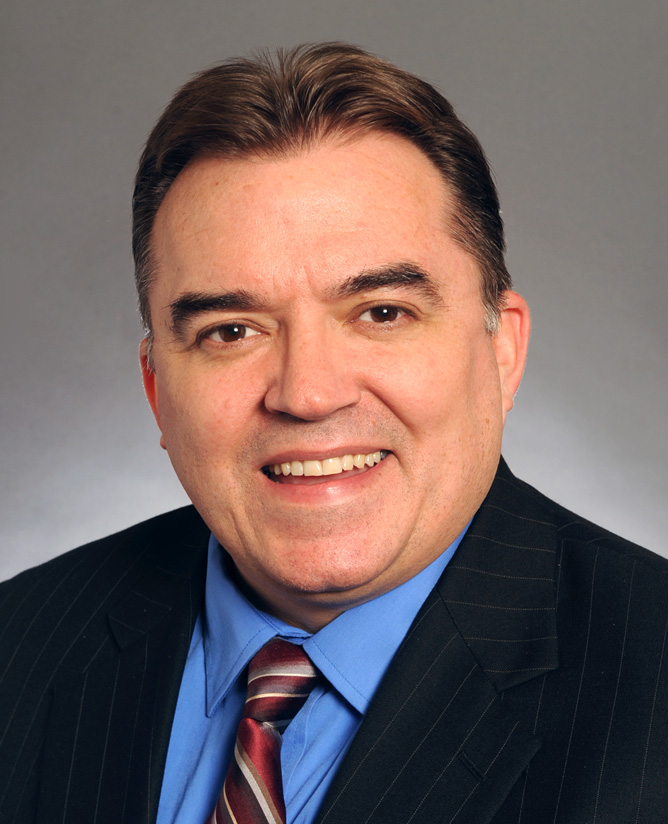
The provided details are limited to the bill’s title, sponsor (co-sponsor: John Hoffman), and basic action history. For an accurate, detailed summary of specific provisions, eligibility changes, funding amounts, effective dates, and implementation steps, please consult the full text of SF 5042 and any accompanying fiscal notes or bill analyses.

Compiled from official sources — confirm details with the bill’s official record.

Sign in to ask a question.