

WeVote

Bill

Bill

HB 6013

Human services: food assistance; monitoring and tracking out-of-state use of the Michigan bridge card; require. Amends 1939 PA 280 (MCL 400.1 - 400.119b) by adding sec. 14n.

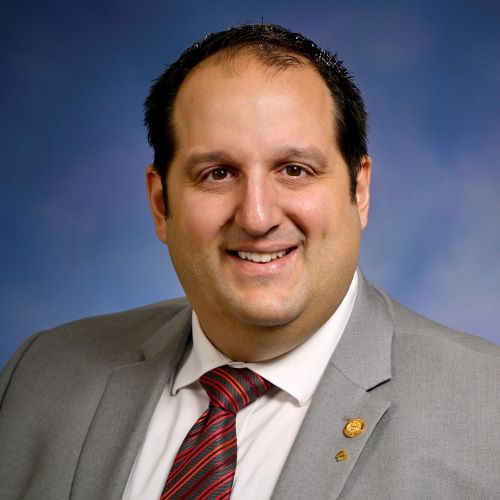
2025-2026 Regular Session Introduced by Joe Aragona and 24 co-sponsors

HB 6013 suspends Michigan Bridge Card benefits after 90 days of out-of-state use until recipients verify Michigan residency or continued eligibility.

REFERRED TO COMMITTEE ON HOUSING AND HUMAN SERVICES
0
WeVote Research Nonpartisan
Bill Summary · HB 6013

Overview

House Bill 6013 (2025-2026) from Michigan would add a new Section 14n to the Social Welfare Act (1939 PA 280), governing the monitoring of Michigan Bridge Card transactions to identify extended out-of-state use. If a recipient’s Bridge Card is used outside Michigan for more than 90 consecutive days, the Department would suspend the card until the recipient contacts the department and verifies continued residency or eligibility for benefits, subject to federal law.

Purpose and Intent

  • Enhance program integrity by detecting extended out-of-state use of Bridge Cards.
  • Require recipients with prolonged non-residency in Michigan to re-verify residency or eligibility before continuing to receive benefits.
  • Align Bridge Card usage with residency and eligibility requirements while operating within applicable federal constraints.

Key Provisions

  • Monitoring: The Department must monitor Bridge Card transaction data to identify extended out-of-state use.
  • Trigger for Suspension: If a recipient’s Michigan Bridge Card is used outside the state for more than 90 consecutive days, the Department must suspend the card.
  • Condition for Reinstatement: The suspension remains in effect until the recipient contacts the Department and verifies continued residency in Michigan or continued eligibility for benefits.
  • Federal Law Consideration: All actions are to be carried out in adherence to applicable federal law.

Effects and Stakeholders

  • Recipients: Michigan residents who rely on food assistance via the Bridge Card and who leave Michigan for more than 90 consecutive days could face suspension until they verify residency or eligibility.
  • Michigan Department of Health and Human Services (or relevant administering department): Responsible for monitoring, enforcing suspensions, and handling verification processes.
  • Potential Beneficiaries/Households: Households temporarily staying out-of-state may experience interruptions in benefits if they do not promptly contact the department to verify residency or eligibility.
  • Administering Agencies: May need to implement data-monitoring systems and verification workflows consistent with federal requirements.

Procedural and Timeline Aspects

  • Effective Date: The requirement becomes effective on the date the amendatory act adding Section 14n takes effect.
  • Enrollment and Referrals: Introduces a process for recipients to contact the department to restore benefits after suspension.
  • Federal Compliance: The policy is to be applied in a manner consistent with federal law; details would depend on federal program rules and any waivers or guidance.

Practical Considerations

  • Potential administrative burden: Implementing data monitoring and a verification process could require new IT systems, staff training, and clear communication with recipients.
  • Privacy and due process: The policy would need to ensure proper handling of transaction data and provide avenues for recipients to contest or appeal suspensions as appropriate under state and federal law.
  • Equity and accessibility: Some households may experience uncertainties during temporary relocations; timely recipient outreach and assistance would be important to minimize benefit interruptions.

Summary

HB 6013 seeks to deter extended non-residency while collecting Bridge Card data to enforce residency and eligibility rules. By suspending benefits after 90 consecutive days of out-of-state use and requiring recipients to verify residency or eligibility to resume benefits, the bill aims to uphold program integrity, subject to federal law. The proposal assigns monitoring and enforcement duties to the state department and would require implementation of procedures to support notification, verification, and reinstatement.

Compiled from official sources — confirm details with the bill’s official record.

Sign in to ask a question.