

WeVote

Bill

Bill

SB 2251

HUMAN RTS-LANGUAGE CITIZENSHIP

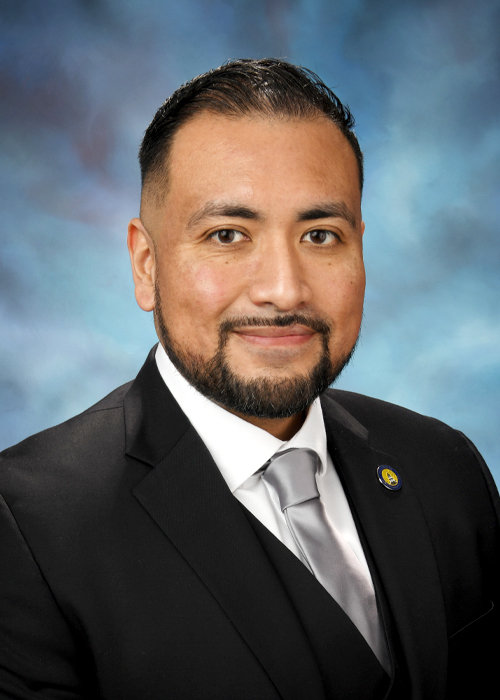
104th Regular Session Introduced by Javier Cervantes and 9 co-sponsors

Illinois bill establishing language access rights to ensure non-English speakers can access government services and civic participation without language barriers.

0
WeVote Research Nonpartisan
Bill Summary · SB 2251

Legislative bill overview

SB 2251 proposes to establish language rights protections for non-English speakers in Illinois, likely ensuring access to government services, legal proceedings, and public accommodations in multiple languages. The bill aims to guarantee that limited-English proficient individuals can meaningfully participate in civic processes and access essential services without language barriers.

Why is this important

Language access directly affects whether immigrants, refugees, and other non-English speakers can navigate healthcare, education, courts, voting, and social services. Without such protections, vulnerable populations may face discrimination, legal disadvantages, or inability to access critical resources. This addresses both equity concerns and practical government efficiency in serving diverse communities.

Potential points of contention

  • Implementation costs: Providing interpretation and translation services across state agencies requires significant budget allocation, which may face fiscal scrutiny or reallocation debates
  • Scope and language coverage: Disagreement over which languages qualify for protection and how many speakers trigger service obligations (some bills cover only major languages; others are broader)
  • Business and private sector impact: Unclear whether requirements extend to private businesses, creating concerns about compliance burden and regulatory overreach versus targeted government-only mandates

Compiled from official sources — confirm details with the bill’s official record.

Sign in to ask a question.