

WeVote

Bill

Bill

HB 1456

Hospitals and Tissue Banks - Autologous and Directed Blood Donations - Requirements

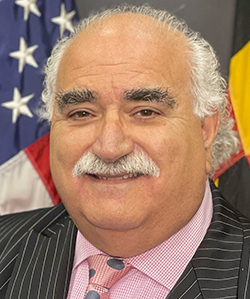
2025 Regular Session Introduced by Ric Metzgar

HB 1456 establishes state standards for Maryland hospitals and tissue banks managing autologous and directed blood donations to ensure consistent safety and collection protocols.

Hearing 2/28 at 12:00 p.m.
0
WeVote Research Nonpartisan
Bill Summary · HB 1456

Legislative bill overview

HB 1456 establishes requirements for Maryland hospitals and tissue banks regarding autologous blood donations (where patients donate their own blood for later use) and directed blood donations (where specific individuals donate blood for a particular patient). The bill sets standards for how these donations must be collected, stored, tested, and administered within healthcare facilities.

Why is this important

Autologous and directed blood donations can reduce reliance on the general blood supply and provide patients with blood that may be safer or more compatible for their specific medical needs. However, without clear regulatory standards, these programs could vary widely in quality and safety practices across facilities, potentially creating inconsistent patient protections and blood safety protocols.

Potential points of contention

  • Medical necessity vs. regulatory burden: Healthcare providers may argue that overly prescriptive requirements increase costs and administrative complexity for programs that serve niche patient populations
  • Donor screening standards: Determining which testing and eligibility requirements apply to autologous/directed donations versus standard blood bank protocols could create compliance confusion
  • Implementation feasibility: Smaller hospitals or tissue banks may lack resources to meet new requirements, potentially limiting patient access to these donation options in rural or under-resourced areas

Compiled from official sources — confirm details with the bill’s official record.

Sign in to ask a question.