

WeVote

Bill

Bill

HB 2295

Hospital license; prohibiting transfer of hospital licenses from one address to another; administrative requirements; mediation; effective date.

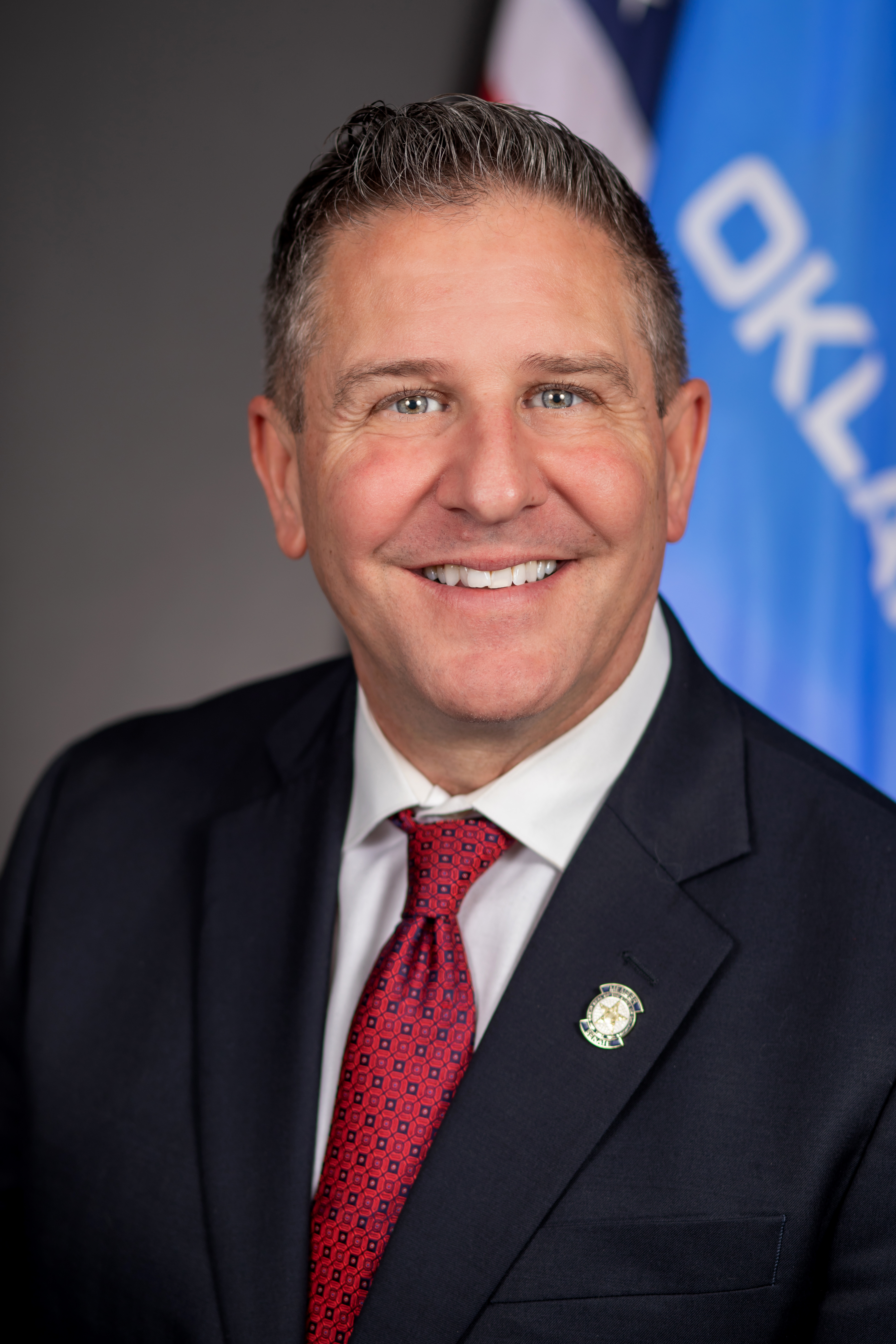
2025 Regular Session Introduced by Todd Gollihare and 1 co-sponsor

The bill would shift funding to the State General Fund to reimburse school districts $0.40 per reduced‑price meal and bar districts from collecting the $0.40 copay from students.

Becomes law without Governor's signature 05/08/2025
0
WeVote Research Nonpartisan
Bill Summary · HB 2295

HB 2295 — Summary (School Meals Reimbursement & Prohibition on Local Copays)

Status: Introduced January 30, 2025; referred to House Committee on Education.
Subject: State funding for reduced-price school meals and prohibition on local collection of reduced-price copays.

Purpose and intent

To require the State to reimburse local school boards for reduced‑price school meals and to prohibit local boards from collecting reduced‑price meal copayments from participating students. The aim is to remove the student cost barrier for reduced‑price meals by shifting the payment responsibility to the State General Fund.

Key provisions

  • Amends K.S.A. 72‑17,137.
  • Current baseline: school boards already receive $0.06 per Type‑A meal from the State General Fund.
  • New entitlement (effective for the 2025–2026 school year):
    • Each board is entitled to receive $0.40 from the State General Fund for each meal served under an approved reduced‑price school meals program (in accordance with 42 U.S.C. §1759(a)).
    • School boards are prohibited from collecting the $0.40 reduced‑price meal charge from students participating in the reduced‑price program.
  • If total entitlements exceed available appropriations, payments would be prorated among boards.
  • Moneys received under the section remain subject to the existing restriction on purchasing “identifiable imported meats.”

Who is affected

  • Students eligible for reduced‑price meals: would no longer be required to pay the reduced copay at school.
  • Local school boards/districts: would receive state reimbursement ($0.40 per reduced‑price meal) and be barred from charging the copay to students.
  • State General Fund: would fund the additional entitlement and absorb the cost previously collected from families.
  • Kansas Department of Education: implements program tracking and reimbursement.

Fiscal impact (from Kansas Division of the Budget / Department of Education fiscal note)

  • Historical reduced‑price meal counts:
    • FY 2023: 5,389,410 reduced‑price meals (1,633,556 breakfasts; 3,755,854 lunches) — estimated cost if reimbursed at $0.40: $1,992,409.
    • FY 2024: 4,509,992 reduced‑price meals — estimated cost: $1,669,164.
  • Removal of copay is expected to increase participation. The Department notes meal counts rose more than 50% during the COVID period when meals were free.
  • Department estimate for FY 2026 appropriation to fully cover reduced‑price meals: ~$3.0 million annually (ongoing).
  • Governor’s FY 2026 budget recommendation included $5.5 million for covering reduced‑price meals; the difference reflects differing assumptions about participation growth if copays are eliminated.

Timeline / procedural notes

  • Effective: provisions commence in the 2025–2026 school year (per bill text).
  • Appropriation: payment to districts is contingent on State General Fund appropriations; insufficient appropriations would trigger prorating.
  • As of introduction, the bill was referred to the House Committee on Education; the fiscal note was prepared February 11, 2025.

Practical implications

  • Low‑income families could see immediate relief from reduced meal costs.
  • The State budget will assume a new ongoing cost (estimated $3.0M–$5.5M annually depending on participation changes).
  • School districts would need to adjust meal collection policies and coordinate reimbursement claims with the Department of Education.

Compiled from official sources — confirm details with the bill’s official record.

Sign in to ask a question.