

WeVote

Bill

Bill

HR 9764

HONOR Act

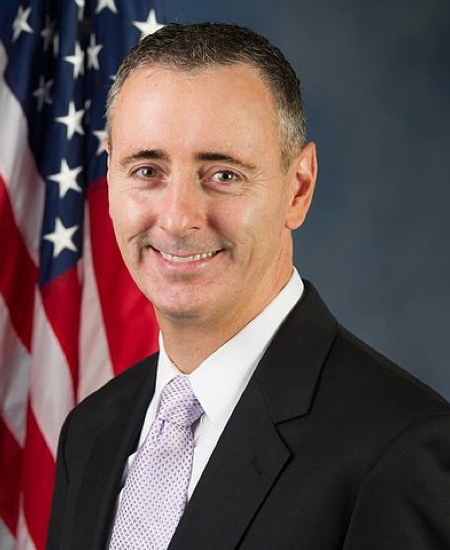
119th Congress Introduced by Brian Fitzpatrick and 1 co-sponsor

The HONOR Act's exact policy is not stated; based on title alone, its precise objective and program changes require the bill text to determine its impact.

Introduced in House
0
WeVote Research Nonpartisan
Bill Summary · HR 9764

Overview

HR 9764, titled the HONOR Act, is a bill introduced in the 119th Congress and referred to the House Committee on Ways and Means. It has two co-sponsors: Rep. Brad Schneider and Rep. Brian Fitzpatrick. The action history shows introduction and referral on July 16, 2026. As of the provided information, no further committee actions or floor amendments are listed.

Primary purpose and intent

  • The bill's general aim, based on its title (HONOR Act), is not explicitly stated in the summary provided. The HONOR Act designation often signals measures related to honoring veterans, public service, or related benefits, but without the bill text or a section-by-section summary, the precise purpose cannot be determined from the available data.
  • The purpose should be clarified by reviewing the bill’s text to confirm its specific objective, the programs it modifies or creates, and the intended policy outcomes.

Key provisions and changes (to be confirmed with the bill text)

  • At this time, the detailed provisions are not included in the summary. To provide a complete and accurate outline, the following elements would need to be identified from the bill:
    • Any new authorizations, grants, or programs created or amended.
    • Changes to eligibility criteria, benefit levels, or administrative processes.
    • Funding levels, appropriations, or offsets (if any).
    • Roles and responsibilities of federal agencies or offices (e.g., Ways and Means, agencies administering benefits).
    • Reporting, compliance, or oversight provisions (e.g., audits, annual reporting requirements).
    • Effective dates and sunset provisions (if any).

Who/what would be affected

  • Without the full text, the specific populations or entities affected cannot be precisely identified. Potentially affected groups in HONOR Act proposals typically include:
    • Veterans or current military personnel and their families (if the act relates to veteran benefits or recognition programs).
    • Beneficiaries or recipients of federal programs (e.g., tax credits, subsidies, grants).
    • Federal agencies administering benefits or programs impacted by the bill.
    • Employers or organizations participating in related programs (if tax or employment provisions are involved).

Procedural and timeline aspects

  • Introduction and referral:
    • Introduced in the House on July 16, 2026.
    • Referred to the House Committee on Ways and Means on July 16, 2026.
  • Next steps (typical, pending actual bill text):
    • Committee consideration, potential amendments, and a committee report.
    • Floor consideration by the full House, potential passage or modification.
    • If approved, transmission to the Senate for its action (and potential companion bill actions).
    • Possible conference if the Senate passes a different version; final passage sent to the President for signature or veto.

Notes for readers

  • To provide a precise, useful summary of the HONOR Act, the actual bill text or a section-by-section summary is needed. That would enable detailing the exact provisions, funding, timelines, and affected parties.
  • As of the available information, the summary focuses on the bill’s metadata (title, sponsor/co-sponsors, introduction and referral date) and the procedural status, rather than substantive policy content.

Compiled from official sources — confirm details with the bill’s official record.

Sign in to ask a question.