

WeVote

Bill

Bill

HR 4501

Holy Sovereignty Protection Act

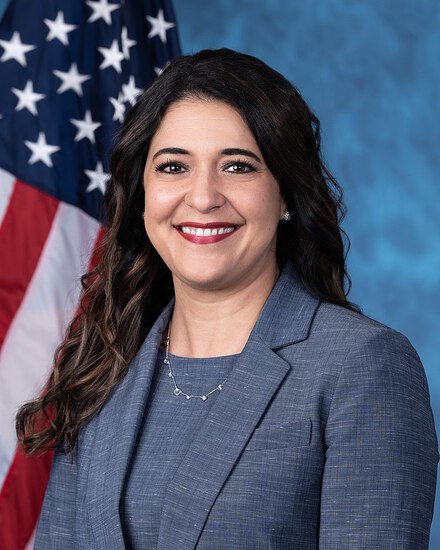
119th Congress Introduced by Stephanie Bice and 6 co-sponsors

The Holy Sovereignty Protection Act safeguards religious organizations' autonomy, ensuring they operate free from government interference and clarifying their rights.

Introduced in House
0
WeVote Research Nonpartisan
Bill Summary · HR 4501

Summary of HR 4501: Holy Sovereignty Protection Act

Introduction

The Holy Sovereignty Protection Act (HR 4501) was introduced in the House of Representatives on July 17, 2025. The bill aims to address issues related to the protection of religious sovereignty and the rights of religious organizations within the United States.

Purpose and Intent

The primary purpose of the Holy Sovereignty Protection Act is to safeguard the autonomy of religious institutions and ensure that they can operate without undue interference from governmental entities. The bill seeks to reinforce the principle of religious freedom as enshrined in the First Amendment of the U.S. Constitution.

Key Provisions

While the specific text of the bill is not provided, the following are anticipated key provisions based on the title and legislative intent:

  • Protection of Religious Institutions: The bill may include measures that prevent government entities from imposing regulations that could infringe upon the operational autonomy of religious organizations.

  • Legal Recourse: It is likely that the bill would provide avenues for religious organizations to seek legal recourse if they believe their sovereignty is being compromised.

  • Clarification of Rights: The legislation may clarify the rights of religious organizations in relation to employment practices, funding, and other operational aspects.

Affected Parties

The Holy Sovereignty Protection Act would primarily affect:

  • Religious Organizations: Churches, synagogues, mosques, and other religious entities would benefit from enhanced protections.

  • Government Entities: Local, state, and federal agencies may need to adjust their policies and practices to comply with the provisions of the bill.

  • Individuals: Members of religious organizations may experience changes in how their institutions operate, particularly in areas related to employment and governance.

Legislative Process

  • Referral to Committees: Upon introduction, the bill was referred to the Committee on Ways and Means and the Committee on the Judiciary for consideration. The Speaker of the House will determine the duration of this review period.

  • Sponsorship: The bill is sponsored by Jeff Hurd and has several cosponsors, including notable representatives such as Michael Lawler, Stephanie I. Bice, and Glenn Grothman.

Conclusion

The Holy Sovereignty Protection Act (HR 4501) represents a significant legislative effort to bolster the rights and protections of religious organizations in the United States. As it moves through the legislative process, it will be important to monitor discussions and amendments that may further shape its provisions and impact.

Compiled from official sources — confirm details with the bill’s official record.

Sign in to ask a question.