

WeVote

Bill

Bill

HR 9688

High Court Gift Ban Act

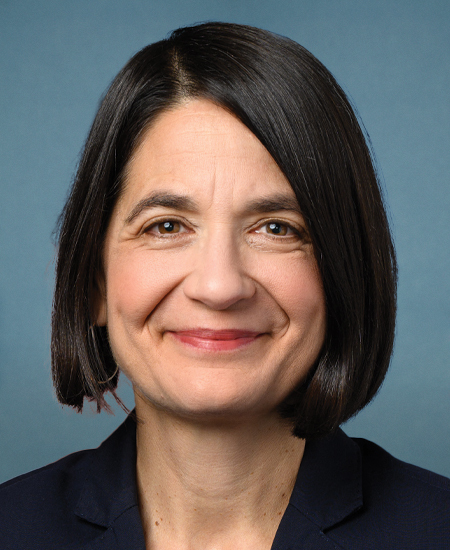
119th Congress Introduced by Becca Balint and 41 co-sponsors

Prohibits federal judges from accepting gifts above $50 per gift or $100 per source per year, with narrowly defined exceptions and enforcement mechanisms.

Introduced in House
0
WeVote Research Nonpartisan
Bill Summary · HR 9688

Overview

  • Bill: HR 9688
  • Session: 119th Congress, 2nd Session
  • Title: High Court Gift Ban Act
  • Purpose: To prohibit Federal judges from receiving gifts over certain thresholds from a source, with specific exceptions, and to establish enforcement mechanisms and definitions related to gifts.

Main purpose and intent

  • Establish a gift ban for federal judicial officers (as defined in the bill) to reduce potential improper influence or appearances of bias stemming from gifts.
  • Create a clear framework of what constitutes an impermissible gift, allowable exceptions, and how violations are enforced and penalized.

Key provisions and changes

  • Prohibition on gifts
    • A judicial officer may not accept a gift from any source unless:
    • The officer reasonably believes the value is less than $50 for an individual gift, and
    • The total aggregate value of gifts from the same source in the calendar year does not exceed $100, including the present gift.
  • Exceptions (permitted gifts despite the general prohibition)
    • You may accept gifts if the judicial officer pays the fair market value.
    • You may accept gifts that you do not use and promptly return to the giver.
    • Gifts from a relative.
    • Gifts from another judicial officer.
    • Honorary degrees and related travel/food/entertainment paid for by an educational institution, provided the institution pays for, or sponsors, the award and invites the officer.
    • Certain opportunities/benefits available to the public or to all federal employees, or open to all members of a professional organization, or offered to a class for which membership is unrelated to judicial service.
    • Loans on terms generally available to the public.
    • Reductions in membership fees or participation fees in organizations if the reduction is offered to all federal employees and tied to professional qualifications.
    • Reimbursement for reasonable expenses (transportation, food, lodging, entertainment) for attendance at a seminar or event related to the law/justice, under specific conditions:
    • The officer was not invited by a prohibited source.
    • The event is not organized or paid for by a prohibited source.
    • Total reimbursement is $2,000 or less, or more than $2,000 if a written waiver is obtained from the Chief Justice (for Supreme Court justices) or the chief judge of the relevant circuit/district (for other judges).
    • Personal hospitality from an individual (not a prohibited source) up to the amount set by the Internal Revenue Code § 2503(b) for that calendar year, and under specific conditions describing the hospitality scenario.
  • Gifts to relatives
    • A gift to a relative is treated as a gift to the judicial officer if given with knowledge/approval of the officer and if the officer has reason to believe it was given because of official position.
  • Enforcement and penalties
    • Referral process
    • The Judicial Conference (or equivalent oversight body) can refer the identity of individuals believed to have accepted prohibited gifts to the Attorney General.
    • The Judicial Conference must notify the relevant judicial council when such referrals occur.
    • Penalties
    • Civil penalties: The Attorney General may sue for violations, with penalties aligned to those described in 31 U.S.C. sections governing civil penalties for similar violations.
    • Criminal penalties: Knowing and willful violations could trigger criminal penalties described in 18 U.S.C. § 13106(a)(2).
  • Definitions
    • Gift: Broadly defined to include gratuities, favors, discounts, entertainment, hospitality, loans, forbearance, or other items with monetary value, including services and reimbursements.
    • Judicial officer: As defined by existing statute (section 13101).
    • Prohibited source: Anyone who has or is likely to come before the judicial officer, or whose interests are likely to come before the officer.
    • Relative: As defined in section 13101.
    • Personal hospitality from an individual: Specific criteria for what constitutes personal hospitality and its accompanying conditions.
  • Implementation
    • The Supreme Court and the Judicial Conference must promulgate regulations to carry out the act within 180 days of enactment and ensure compliance.
  • Rules of construction
    • Nothing in the act should be construed to permit accepting gifts that are otherwise prohibited by other laws, rules, or regulations.

Who would be affected

  • Federal judges and other judicial officers covered under the act.
  • The Judicial Conference (and the Supreme Court's rules) and circuit/district courts for enforcement and regulations.
  • The Attorney General, in enforcement actions and civil/criminal proceedings.
  • Givers (sources) who might be subject to reporting or penalties if they provide prohibited gifts.

Procedural and timeline aspects

  • Introduction date: July 14, 2026
  • Referral: Referred to the House Committee on the Judiciary
  • Implementation timeline: Regulations to be issued within 180 days of enactment by the Supreme Court and the Judicial Conference.
  • Enforcement mechanism: Referral to Attorney General; civil and criminal penalties possible for violations; notification to relevant judicial councils upon referrals.

Notes

  • The bill emphasizes monetary thresholds ($50 per gift, $100 aggregate per source per year) and provides a structured set of exceptions to allow certain gifts under specific circumstances.
  • It includes a broad and detailed set of definitions to guide interpretation, with emphasis on preventing gifts that could influence judicial independence or appearance of bias.

Compiled from official sources — confirm details with the bill’s official record.

Sign in to ask a question.