

WeVote

Bill

Bill

SB 971

Healthy Aging Community Partnership Program.

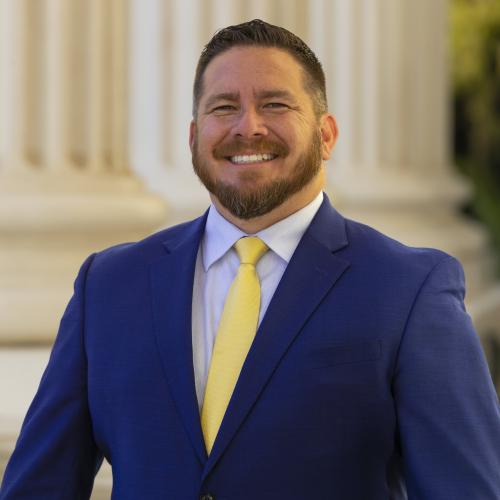
2025-2026 Regular Session Introduced by Juan Alanis and 9 co-sponsors

Creates a state framework and funding streams to support local Healthy Aging Community Partnerships that coordinate across health, aging services, and government to improve access,

Read second time and amended. Ordered to second reading.
0
WeVote Research Nonpartisan
Bill Summary · SB 971

Overview

SB 971 (Session 2025-2026, California) establishes the Healthy Aging Community Partnerships Program. The bill creates a state framework to support collaboration among communities, health systems, local agencies, and stakeholders to promote healthy aging and improve outcomes for older adults and people with disabilities. The focus is on community-driven partnerships, leveraging funding and resources to address aging-related needs at the local level.

Purpose and intent

  • Promote healthy aging by fostering cross-sector partnerships at the community level.
  • Improve access to age-appropriate services, preventive care, and supports for independent living.
  • Encourage coordinated planning and implementation of programs that address social determinants of health affecting older adults.
  • Build capacity of local organizations to design, implement, and evaluate aging-related initiatives.

Key provisions and changes

  • Establishment of the Healthy Aging Community Partnerships Program (the Program) within the state framework.
  • Creation of competitive or formula-based funding streams to support local partnerships that develop and execute aging-focused projects.
  • Requirements for local partnerships to include collaboration among:
    • Local health systems, hospitals, and clinics
    • Senior services providers and aging networks
    • Local government or designated public agencies
    • Community-based organizations representing older adults and people with disabilities
  • Emphasis on achieving measurable outcomes, including improvements in access to care, housing stability, transportation, social isolation, and preventive health services.
  • Provisions for program administration, accountability, reporting, and performance metrics.
  • Potential alignment with existing state programs or departments related to aging, health, and social services.
  • Eligibility criteria for localities or organizations seeking program funding.
  • Potential state-level oversight, evaluation, and dissemination of best practices.

Who would be affected

  • Local governments and regional consortia seeking to form Healthy Aging Community Partnerships.
  • Aging services organizations, senior centers, and disability advocacy groups.
  • Health systems, hospitals, clinics, and public health departments participating in coordinated aging initiatives.
  • Older adults and people with disabilities who would benefit from coordinated services and improved access to care.
  • Local/state agencies responsible for aging, health, housing, transportation, and social services, due to reporting and funding administration requirements.

Procedural and timeline aspects

  • Introduction and assignment to committees in early 2026, with subsequent amendments and policy refinements.
  • Sequential committee reviews (Human Services, Aging & Long-Term Care, Health) with amendments and forked referrals as the bill progressed.
  • Public hearings, committee votes, and potential floor action leading to passage and transmission to the opposite house.
  • Notable action history shows: amended and re-referred multiple times; passed House committee (Do Pass) and advanced through assembly steps with final approvals in mid-2026.
  • If enacted, implementation would likely follow a defined grant/award cycle, with application windows, performance reporting deadlines, and sunset or renewal provisions to assess ongoing impact.

Potential impact and considerations

  • Positive outcomes: enhanced collaboration across sectors, more holistic support for aging populations, better coordination of services, and data-driven improvements in health and quality of life for older adults.
  • Implementation challenges: ensuring equitable access across diverse communities, aligning multiple agencies and funding streams, and establishing robust evaluation frameworks.
  • Fiscal considerations: allocation of state funds to local partnerships, ongoing administration costs, and potential matching requirements or reporting burden.

If you’d like, I can tailor this summary to emphasize specific provisions you’re most interested in (e.g., funding details, eligible entities, or reporting requirements) once the exact text is available.

Compiled from official sources — confirm details with the bill’s official record.

Sign in to ask a question.