

WeVote

Bill

Bill

SF 3408

Health professional education loan forgiveness program physician and medical resident eligibility modifications

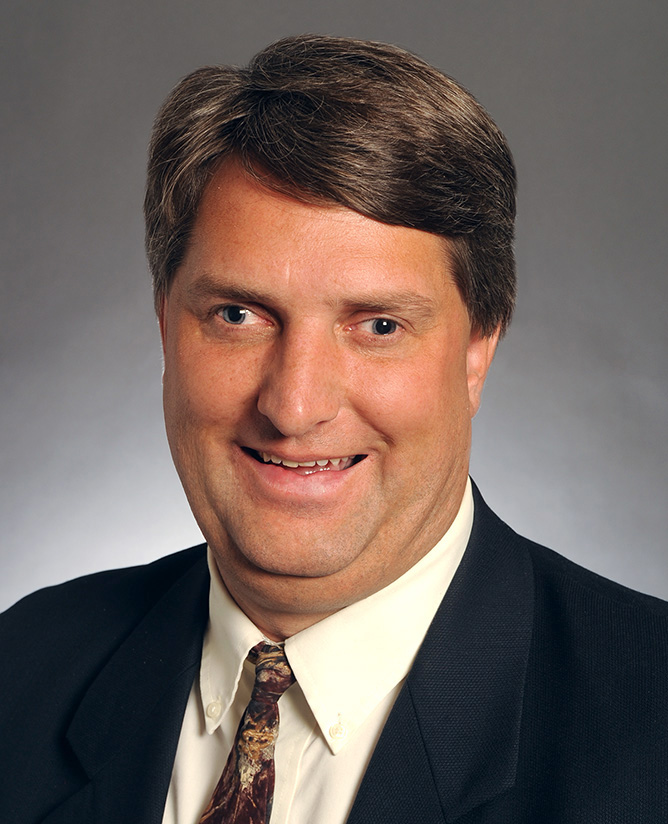
2025-2026 Regular Session Introduced by Torrey Westrom

Minnesota would modify physician and resident eligibility for the health professional loan forgiveness program to influence who can receive forgiveness and apply it to practice in

Referred to Health and Human Services
0
WeVote Research Nonpartisan
Bill Summary · SF 3408

Summary of SF 3408 (Minnesota) — 2025-2026 Session

Title

Health professional education loan forgiveness program physician and medical resident eligibility modifications

Purpose and intended effect

SF 3408 proposes changes to Minnesota’s health professional education loan forgiveness program, specifically adjusting eligibility criteria for physicians and medical residents. The bill aims to expand or refine which individuals may participate in the loan forgiveness program to recruit or retain qualified health professionals to meet community needs, with a focus on physicians and medical residents.

Key provisions and changes

Because the bill text is not provided here, the summary below highlights typical areas such bills address. If enacted, the bill would generally be expected to include:

  • Eligibility modifications for physicians and medical residents

    • Possible expansion or narrowing of eligibility criteria for loan forgiveness for medical doctors and residents in training.
    • Adjustments to required practice settings (e.g., underserved areas, clinical roles, or specific health care facilities) as a condition of forgiveness.
    • Changes to licensure status requirements (e.g., active practice, board certification status, or temporary/extended training periods).
  • Application and funding specifics

    • Details on the size or availability of loan forgiveness awards (dollar amounts, caps per year, or total program funding).
    • Priority or sequencing rules for applicants (e.g., prioritizing certain specialties, rural/urban practice, or service years).
    • Reimbursement mechanics (how funds are paid to borrowers—direct payment to lenders or reimbursement to individuals).
  • Service obligation and repayment conditions

    • Minimum service period required to qualify for loan forgiveness.
    • Obligations if a recipient changes practice location, specialty, or leaves health care.
    • Penalties or clawback provisions if service obligations are not met.
  • Administration and reporting

    • Roles for the administering state agency (likely the health department or workforce development agency) to administer the program, evaluate outcomes, and report on progress.
    • Compliance, audits, and annual or periodic reporting requirements.

Who would be affected

  • Physicians and medical residents who participate in the state loan forgiveness program and intend to practice in Minnesota.
  • Hospitals, clinics, and health systems that recruit or employ participants qualifying under the program.
  • Medical education institutions and residency programs that may adjust offerings or placements to align with program eligibility.
  • State agencies responsible for administering education loan forgiveness and monitoring program performance.

Procedural and timeline aspects

  • Introduced and referred: SF 3408 was introduced on 2025-04-22 and referred to the Health and Human Services committee.
  • Sponsor: Co-sponsor Torrey Westrom.
  • Next steps in Legislature: The bill would typically proceed through committee hearings, potential amendments, and the floor for a vote in both chambers, followed by reconciliation with any companion bill in the other chamber and final signature or veto actions by the Governor.

Potential impacts and considerations

  • Could improve access to health care in underserved Minnesota communities by incentivizing physicians and residents to practice within the state.
  • May affect state budget planning due to changes in loan forgiveness funding levels and administration costs.
  • Compliance and long-term tracking will be important to assess whether expanded or modified eligibility translates into the intended retention and distribution of physicians.

Note: The summary above reflects typical provisions associated with health professional loan forgiveness program modifications. For precise details, the full bill text and fiscal notes should be consulted once available.

Compiled from official sources — confirm details with the bill’s official record.

Sign in to ask a question.