

WeVote

Bill

Bill

SB 568

Health Occupations - Licensed Psychologists - Prescriptive Authority

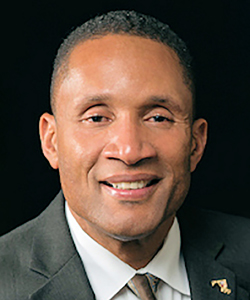
2026 Regular Session Introduced by Arthur Ellis

SB 568 authorizes Maryland psychologists to prescribe psychiatric medications after completing specialized training, expanding mental health provider capacity but raising physician oversight and patient safety questions.

First Reading Finance
0
WeVote Research Nonpartisan
Bill Summary · SB 568

Legislative bill overview

SB 568 proposes granting licensed psychologists in Maryland prescriptive authority, allowing them to prescribe certain medications for mental health conditions. The bill would expand the scope of practice for psychologists beyond current limitations, aligning Maryland with states that have already implemented similar programs. This requires psychologists to complete specified training and meet additional certification requirements.

Why is this important

Approximately 60% of Marylanders lack adequate access to psychiatrists, creating treatment delays and gaps in mental health care. Expanding prescriptive authority for psychologists could increase medication access in underserved areas and rural communities. However, this represents a significant shift in healthcare regulation that affects physician scope of practice, insurance reimbursement, and patient safety protocols.

Potential points of contention

  • Professional turf battles: The Maryland Medical Society and psychiatric associations may oppose the bill as an encroachment on physician authority and training standards
  • Patient safety concerns: Critics may argue psychologists' medical training differs substantially from psychiatrists', raising questions about pharmaceutical knowledge, drug interaction assessment, and managing complex medication cases
  • Insurance and reimbursement: Unclear whether insurance companies would reimburse psychologist-prescribed medications at equivalent rates, potentially creating two-tier treatment access
  • Training requirements specificity: The bill's effectiveness depends heavily on what training standards are mandated—overly permissive standards could undermine safety, while restrictive ones may limit practical benefit

Compiled from official sources — confirm details with the bill’s official record.

Sign in to ask a question.