

WeVote

Bill

Bill

AB 1862

Health care districts: transfers of assets.

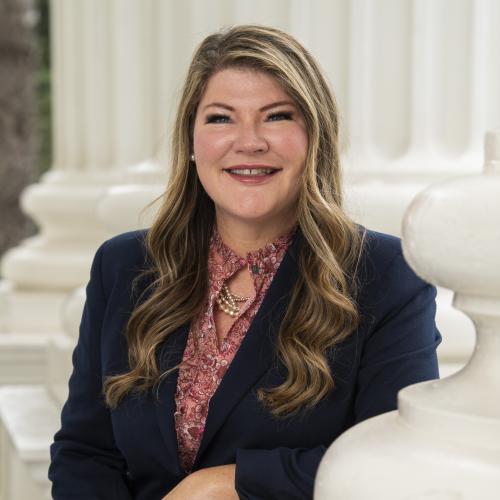
2025-2026 Regular Session Introduced by Tasha Boerner

AB 1862 establishes rules and oversight for transferring health care district assets to ensure transfers are planned, transparent, and in the public interest.

In committee: Set, first hearing. Hearing canceled at the request of author.
0
WeVote Research Nonpartisan
Bill Summary · AB 1862

Bill Overview

AB 1862, introduced for the 2025-2026 California legislative session, concerns health care districts and the transfer of assets. The bill's primary aim is to address how assets of health care districts can be transferred, likely clarifying procedures, requirements, and constraints around such transfers.

Purpose and Intent

  • Establish definitions and framework governing the transfer of assets by health care districts.
  • Provide statutory guidance to ensure transfers are planned, transparent, and in the public interest.
  • Align transfers with revenue, governance, and accountability standards relevant to health care districts and related state oversight.

Key Provisions and Changes (as indicated by bill text and committee actions)

  • Transfers of assets: Sets forth the rules, processes, and limitations for transferring assets owned by health care districts. This includes what qualifies as an asset and which transfers require authorization.
  • Governance and oversight: Likely introduces or references oversight mechanisms (e.g., state or local government bodies) to review and approve transfers, ensuring they meet public interest criteria.
  • Amendments and referrals: The bill has undergone amendments and was re-referred between committees (Law, Government Organization; Revenue and Tax). This suggests revisions to statutory language and potential alignment with fiscal and governance considerations.

Note: The schedule of committee actions indicates procedural steps rather than substantive policy text. The bill has had amendments from the author and multiple referrals to committees, signaling possible refinements to definitions, procedures, and fiscal impacts.

Who is Affected

  • Health care districts: Primary direct stakeholders, as the bill governs how their assets may be transferred.
  • Local governments and governing boards: Entities involved in approving or facilitating transfers and ensuring compliance with state law.
  • Public residents served by health care districts: Indirect beneficiaries or stakeholders due to changes in how district assets are managed or redeployed.
  • State legislative committees and staff: Responsible for reviewing, amending, and evaluating the bill’s fiscal and governance impacts.

Procedural and Timeline Aspects

  • February 11, 2026: Read first time; bill placed for printing.
  • February 12, 2026: From printer; may be heard in committee March 14.
  • March 23, 2026: Referred to Committees on Local Government (L. GOV.) and Revenue and Taxation (REV. & TAX).
  • April 8, 2026: In committee chair’s amendments; re-referred to L. GOV.; second reading and amendments noted.
  • April 9, 2026: Hearing postponed by committee; re-referred to L. GOV.
  • April 10, 2026: In committee; first hearing set, but hearing canceled at the request of the author.

These steps show a process of review, possible modification, and scheduling adjustments typical for bills that require in-depth governance and fiscal analysis.

Notes for Readers

  • The bill’s text would provide precise definitions of assets, allowable transfer mechanisms, timelines, and any required notices or public hearings.
  • The amendments and committee referrals suggest that the bill may undergo substantial drafting changes before any potential floor vote.
  • Co-sponsor: Tasha Boerner, indicating bipartisan or local-government interest in the issue.

If you want, I can pull in the actual text of AB 1862 and summarize specific sections (e.g., definitions, transfer approval thresholds, notice requirements, and fiscal implications) for a more detailed analysis.

Compiled from official sources — confirm details with the bill’s official record.

Sign in to ask a question.