

WeVote

Bill

Bill

SF 2991

Group family day care child-adult capacity ratios and age distribution restrictions modifications

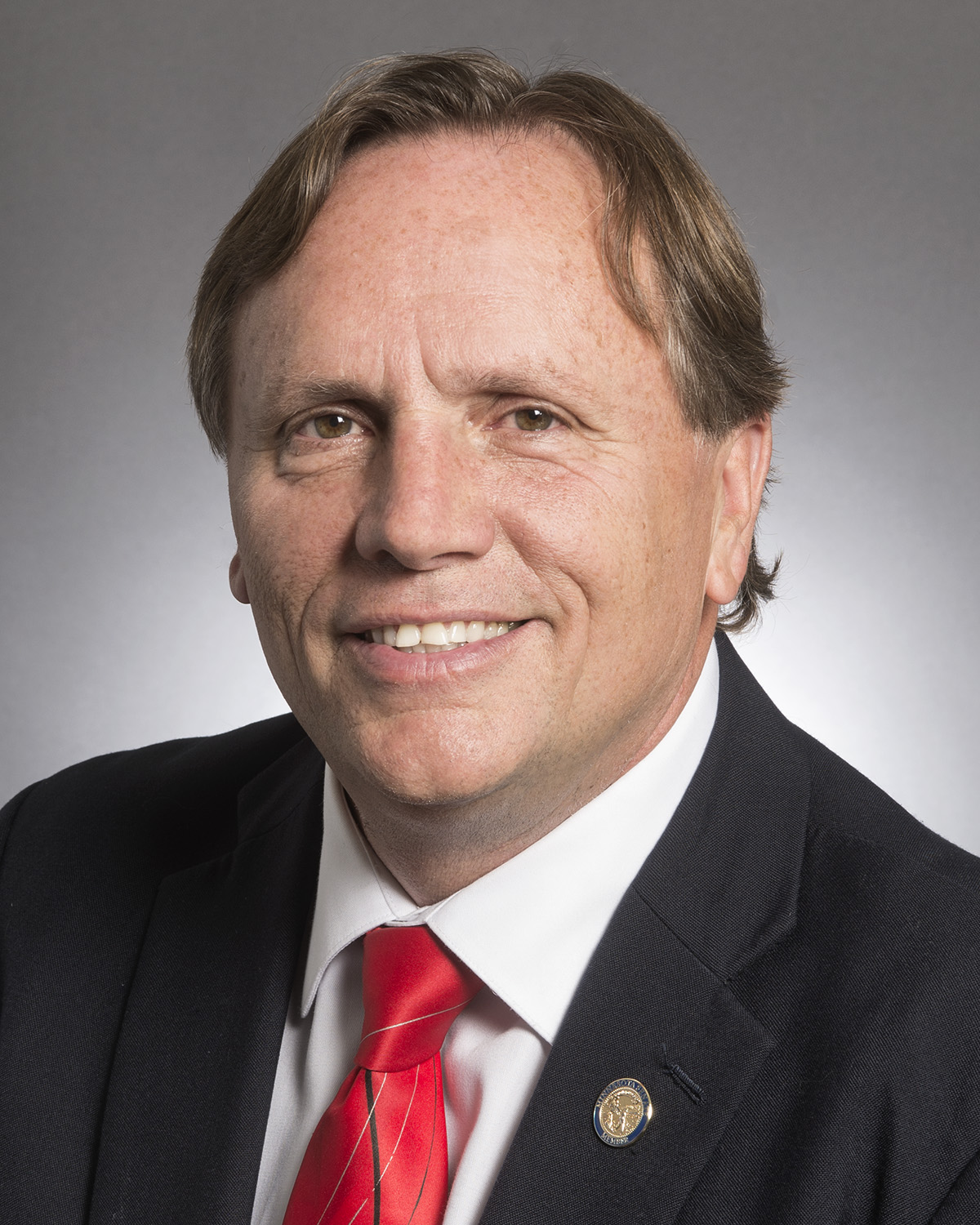
2025-2026 Regular Session Introduced by Jim Abeler and 1 co-sponsor

SF 2991 updates group family day care child-to-adult ratios and age mixes, reshaping licensing standards, staffing needs, and access for Minnesota families.

Referred to Health and Human Services
0
WeVote Research Nonpartisan
Bill Summary · SF 2991

Summary: SF 2991 — Group family day care child-adult capacity ratios and age distribution restrictions modifications

Overview

  • Title: SF 2991, “Group family day care child-adult capacity ratios and age distribution restrictions modifications”
  • Status: Referred to Health and Human Services
  • Introduced: March 27, 2025
  • Classification/Subject: Bill related to Children and Families and the Children, Youth and Families Department, Government-Local, and Human Services departments
  • Companion: HF 2877 (House of Representatives)

This bill is a Minnesota Senate proposal that, based on its title, seeks to modify rules governing group family day care operations—specifically the standardized child-to-adult capacity ratios and the distribution of ages within group settings. The exact provisions, numeric thresholds, and implementation details are not included in the information provided.

Purpose and Scope (based on title)

  • The bill intends to modify:

    • Child-to-adult capacity ratios in group family day care settings
    • Age distribution restrictions within those settings
  • These changes would affect licensing and operation standards for group family day care providers, as well as regulatory oversight by the relevant state agencies (notably the Department of Human Services, which licenses and monitors child care programs).

Note: The precise ratio figures, age groupings, exemptions, transition provisions, and enforcement mechanisms will be set in the bill’s text. Those details are not included in the synopsis available here.

Key Provisions (What we know vs. unknown)

  • What’s known:

    • The bill targets modifications to capacity ratios and age distribution rules for group family day care.
    • It is being considered by the Health and Human Services committee.
    • It has a companion measure in the House (HF 2877).
  • What remains to be clarified (pending bill text):

    • The exact numerical ratio changes (e.g., number of children per adult) and any tiered or age-specific ratios.
    • Specific age distribution requirements (age ranges and how they must be balanced within groups).
    • Effective date(s) and any phase-in or grandfathering provisions.
    • Exemptions (e.g., small providers, disaster exceptions) and enforcement mechanisms.
    • Administrative rules or state DHS rule changes needed to implement the bill.

Affected Parties

  • Group family day care providers and their staff
  • Families receiving care in group family day care settings
  • Minnesota Department of Human Services (licensing and regulation)
  • Local governments may have roles in enforcement or licensing liaison

Legislative History and Timeline

  • Introduction and first reading: March 27, 2025
  • Referral: Health and Human Services
  • Relationship: Companion bill HF 2877 (House)

Potential Impacts (high-level)

  • Provider operations: Changes in permissible group sizes and age mixes could influence staffing needs, operating capacity, and compliance costs.
  • Access to care: Depending on whether ratios are loosened or tightened, there could be impacts on the availability of slots and costs for families.
  • Safety and quality: Ratios and age distribution rules bear on supervision and care quality; the bill could adjust minimum standards accordingly.
  • Implementation: If enacted, regulatory agencies will need implementing rules, monitoring, and enforcement guidance.

Next Steps

  • Review the full text of SF 2991 (and HF 2877) to confirm specific provisions, effective dates, and any transitional rules.
  • Track hearings and amendments in the Health and Human Services committee to assess potential changes and stakeholder input.

Compiled from official sources — confirm details with the bill’s official record.

Sign in to ask a question.