

WeVote

Bill

Bill

SB 1803

Governmental Tort Claims Act; requiring adoption of law enforcement pursuit policies; prohibiting liability for certain actions. Effective date.

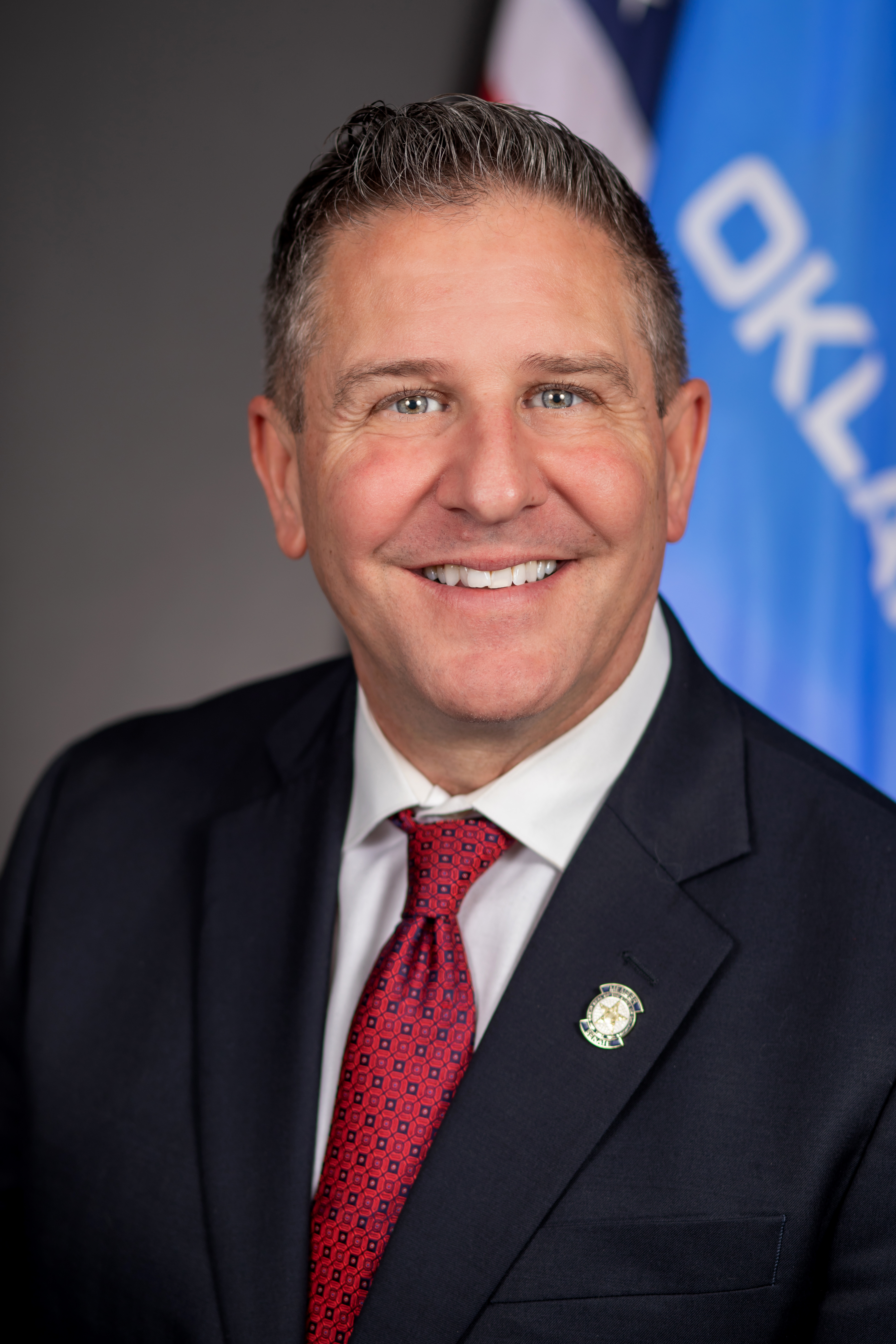
2026 Regular Session Introduced by Todd Gollihare

Oklahoma law requiring police departments to adopt pursuit policies while shielding them and officers from certain tort liability during high-speed chases.

Second Reading referred to Judiciary
0
WeVote Research Nonpartisan
Bill Summary · SB 1803

Legislative bill overview

SB 1803 modifies Oklahoma's Governmental Tort Claims Act to mandate that law enforcement agencies adopt written pursuit policies and provides liability protections for certain law enforcement actions taken during vehicle pursuits. The bill establishes a framework for when officers and their agencies cannot be held financially responsible for damages resulting from high-speed chases.

Why is this important

Vehicle pursuits create significant public safety risks, resulting in injuries and deaths to officers, suspects, and bystanders annually. This bill balances accountability concerns by requiring standardized policies while simultaneously limiting civil liability exposure for law enforcement agencies, which affects both public safety governance and the ability of injured parties to seek damages.

Potential points of contention

  • Liability shield scope: The bill may provide overly broad immunity for law enforcement actions during pursuits, potentially limiting remedies for innocent bystanders harmed during chases
  • Policy requirements vs. enforcement: While mandating pursuit policies is reasonable, the bill lacks detail on minimum standards or oversight mechanisms to ensure policies actually reduce dangerous driving
  • Balance between safety and protection: Law enforcement agencies need liability protection to function, but excessive immunity may reduce incentives for departments to implement restrictive pursuit policies that minimize public risk

Compiled from official sources — confirm details with the bill’s official record.

Sign in to ask a question.