

WeVote

Bill

Bill

SB 248

Georgia Council on Library Materials Standards; establish and provide

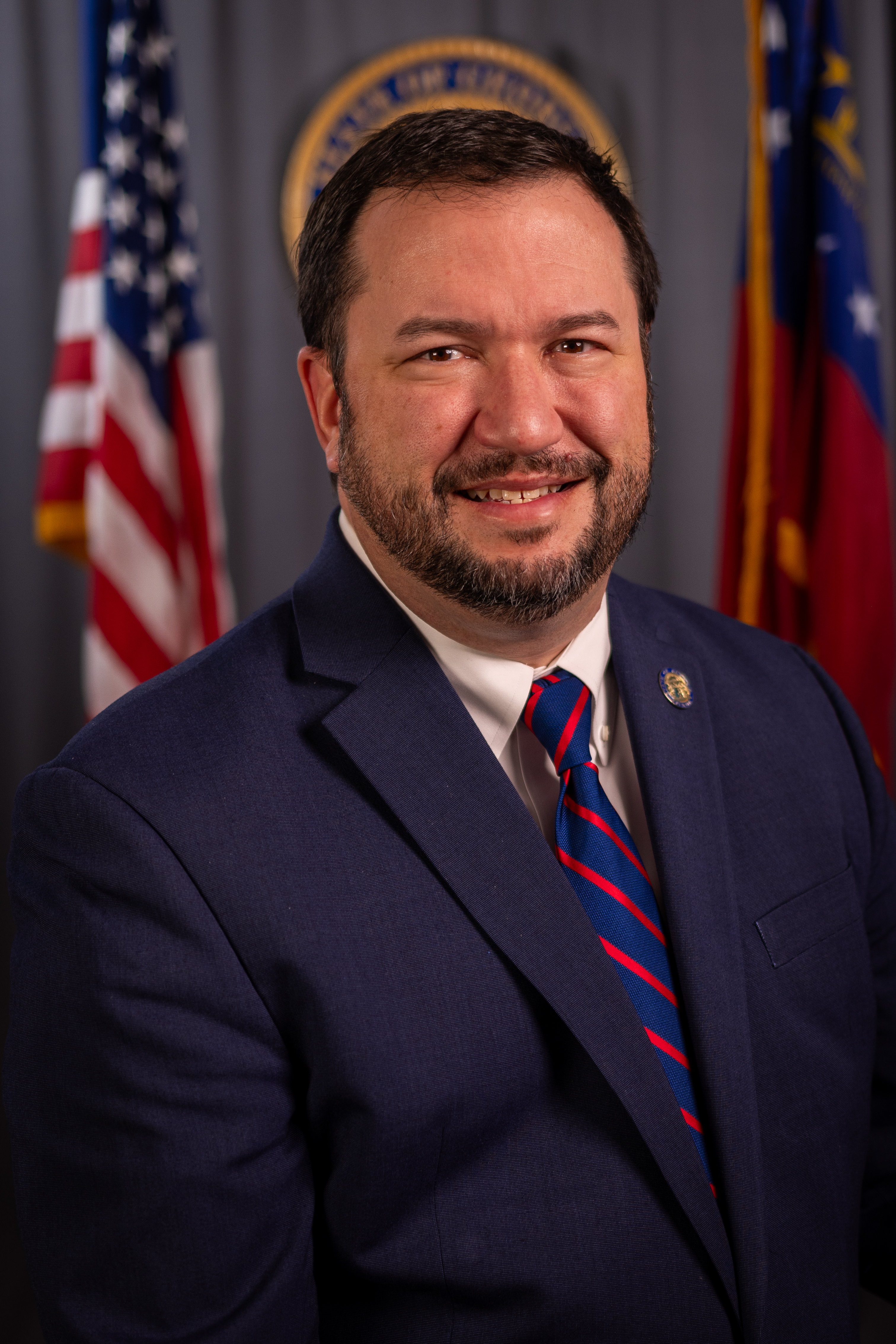
2025-2026 Regular Session Introduced by Jason Anavitarte and 4 co-sponsors

Senate Bill 248 establishes a fund to ensure low-income households in Michigan pay no more than 3% of their income on water bills, reducing financial strain and preventing shutoffs.

Senate Read and Referred
0
WeVote Research Nonpartisan
Bill Summary · SB 248

Summary of Senate Bill 248: Human Services - Water Rate Affordability Fund

Bill Overview

Bill Number: SB 248
Introduced: April 23, 2025
Status: Referred to Committee of the Whole with Substitute (S-2)
Primary Sponsor: Senator Stephanie Chang
Cosponsors: Senators John Damoose, Sue Shink, Rosemary Bayer, Darrin Camilleri, Mary Cavanagh, Jeremy Moss, Mallory McMorrow, Erika Geiss
Committee: Housing and Human Services

Purpose and Intent

Senate Bill 248 aims to establish a Low-Income Water Residential Affordability Program (Program) in Michigan. The primary goal is to ensure that eligible customers, specifically those with household incomes up to 200% of the Federal Poverty Guidelines (FPL), do not pay more than 3% of their household income on water bills. This initiative seeks to alleviate financial burdens on low-income households and improve access to essential water services.

Key Provisions

  1. Creation of the Affordability Fund:

    • Establishes the Low-Income Water Residential Affordability Fund (Fund) within the State Treasury.
    • A monthly fee of $1.25 will be charged to each retail water meter, with the potential for annual increases of $0.25 from 2026 to 2029, and adjustments based on the Consumer Price Index starting in 2030.
  2. Program Implementation:

    • The Department of Health and Human Services (DHHS) will oversee the Program, which will apply to water providers with 500 or more retail service connections immediately and to all providers within 18 months.
    • The DHHS is required to develop a policy manual by January 1, 2026, and to project annual funding needs.
  3. Customer Protections:

    • Prohibits water shutoffs for critical care customers and those enrolled in the Program within 120 days of delinquency.
    • Customers unable to meet program requirements will undergo a triage process to prevent disenrollment.
  4. Financial Assistance:

    • Eligible customers may receive full forgiveness of overdue balances under certain conditions, including timely payments over 24 months.
    • The Fund can be used for administrative costs, bill discounts, arrearage payments, and water loss mitigation programs.
  5. Reporting and Oversight:

    • Water providers must submit annual reports to the Water Affordability Task Force and the Legislature regarding the Program and funding factors.
    • The Task Force will provide annual reports to the Legislature and post them on the DHHS website.
  6. Legal Enforcement:

    • The Attorney General may file civil actions against providers that fail to comply with the funding factor requirements.

Impact

  • Financial: The Fund is projected to reach approximately $71.2 million within the first 18 months, supporting various affordability initiatives.
  • Administrative: The bill may have fiscal impacts on the Department of Treasury, local courts, and water providers, particularly concerning compliance and reporting requirements.
  • Community: The Program is expected to significantly benefit low-income households by reducing their water bill burdens and preventing service shutoffs.

Conclusion

Senate Bill 248 represents a significant step towards enhancing water affordability for low-income residents in Michigan. By creating a structured program and funding mechanism, the bill aims to ensure that essential water services remain accessible and affordable for vulnerable populations.

Compiled from official sources — confirm details with the bill’s official record.

Sign in to ask a question.