

WeVote

Bill

Bill

HB 333

General Assembly Vacancy - Political Party Central Committee - Procedures

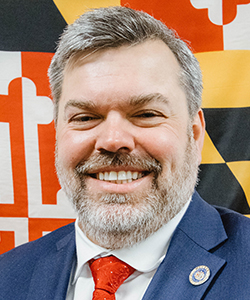
2026 Regular Session Introduced by Mike Griffith and 1 co-sponsor

HB 333 establishes procedures for political party central committees to fill General Assembly vacancies, streamlining the process of nominating replacement legislators when seats become empty.

Second Reading Passed
0
WeVote Research Nonpartisan
Bill Summary · HB 333

Legislative bill overview

HB 333 establishes procedures for filling vacancies in Maryland General Assembly seats through political party central committees. The bill clarifies the process by which party committees nominate replacement candidates when an incumbent legislator's seat becomes vacant, likely addressing ambiguities or gaps in existing statutory language.

Why is this important

Vacancy procedures directly affect democratic representation—they determine how quickly constituents regain legislative representation and who holds decision-making power over successor selection. Clear procedures prevent disputes, ensure transparency, and balance the interests of political parties with public accountability for candidate selection processes.

Potential points of contention

  • Party control vs. constituent input: Central committee selection removes direct voter choice, raising questions about whether party insiders should unilaterally pick replacements or if broader mechanisms (special elections, open processes) should apply
  • Timeline and urgency: Disputes may arise over how quickly vacancies must be filled and whether extended interim periods leave districts underrepresented
  • Criteria and transparency: The bill's specificity regarding qualifications, disclosure requirements, and procedural fairness standards could be contentious depending on implementation details not evident in the title

Compiled from official sources — confirm details with the bill’s official record.

Sign in to ask a question.