

WeVote

Bill

Bill

HR 10117

GATOR Act of 2026

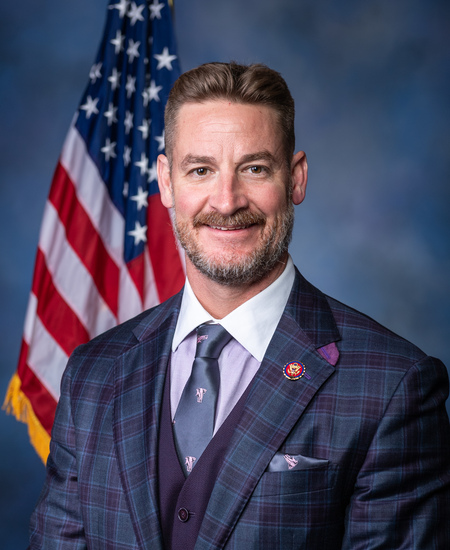
119th Congress Introduced by Greg Steube

The bill requires a GAO study to assess how ESA-based treatments for certain reptiles affect their populations, state management, and nuisance removal.

Introduced in House
0
WeVote Research Nonpartisan
Bill Summary · HR 10117

Overview

  • Bill: H.R. 10117
  • Session: 119th Congress
  • Title: Gathering Alligator Treatment, Oversight, and Response Act of 2026 (GATOR Act of 2026)
  • Purpose: Require a comprehensive study by the Comptroller General (GAO) on how certain reptile management policies—specifically those related to the treatment of listed reptiles under the Endangered Species Act (ESA)—have affected populations, state management, and removal challenges. The study focuses on reptiles that may be mistaken for listed species due to appearance.

Main purpose and intent

  • To assess the impact of the Secretary of the Interior’s treatment under ESA section 4(e)(A) (as applied to threatened status) on covered reptiles that resemble endangered or threatened species.
  • Specifically evaluate whether such treatments have:
    • Affected population sizes of covered reptiles (American alligator, common caiman, brown caiman).
    • Contributed to a complete or near-complete recovery of the American alligator.
    • Increased invasiveness or spread of caiman species in Florida.
    • Complicated removal of nuisance alligators or caimans from waterways near residential or commercial areas.

Key provisions

  • Section 2: Study Regarding Certain Reptiles
    • The Comptroller General, in consultation with the Secretary of the Interior and heads of wildlife agencies in “covered States,” must conduct a study on the effects of ESA-based treatment on covered reptiles.
    • Focus areas include population size impacts, effects on state management programs, potential recovery or invasiveness outcomes, and implications for nuisance animal removal in waterways.
  • Section 2 (Definitions)
    • Covered Reptile: American alligator (Alligator mississippiensis); common caiman (Caiman crocodilus crocodilus); brown caiman (Caiman crocodilus odilus fuscus; Caiman crocodilus chiapasius).
    • Covered State: Any state with at least one population of a covered reptile within its borders.
    • Secretary: Secretary of the Interior, acting through the Director of the U.S. Fish and Wildlife Service.

Who would be affected

  • Federal agencies: U.S. Comptroller General (GAO) conducting the study; Secretary of the Interior; U.S. Fish and Wildlife Service.
  • State wildlife agencies in “covered States” that host populations of the specified reptiles.
  • Stakeholders involved in reptile management, nuisance wildlife control, and habitat management near residential or commercial waterways (e.g., local governments, environmental organizations, and the public concerned with alligator/caiman interactions).

Procedural and timeline aspects

  • Status: Introduced August 17, 2026; referred to the House Committee on Natural Resources. No further legislative action detailed in the provided text.
  • Timing: The bill directs study activities but does not specify a deadline within the text provided. A GAO study would presumably be conducted and reported to Congress per standard GAO study practices, once authorized and funded.

Potential impact

  • Provides an evidence-based assessment of how ESA-based protective treatments influence reptile populations, state management, and removal challenges.
  • Could inform future ESA policy decisions, state management strategies, and nuisance wildlife policies if findings show unintended consequences (e.g., aiding invasive species spread or hindering nuisance control).
  • No immediate regulatory changes are enacted; the bill centers on a mandated study to guide potential policy actions.

Compiled from official sources — confirm details with the bill’s official record.

Sign in to ask a question.